

Health · Public Health & Disease · 18 hrs ago
CDC estimates 9.7 million drug-resistant infections and 50,800 US deaths yearly
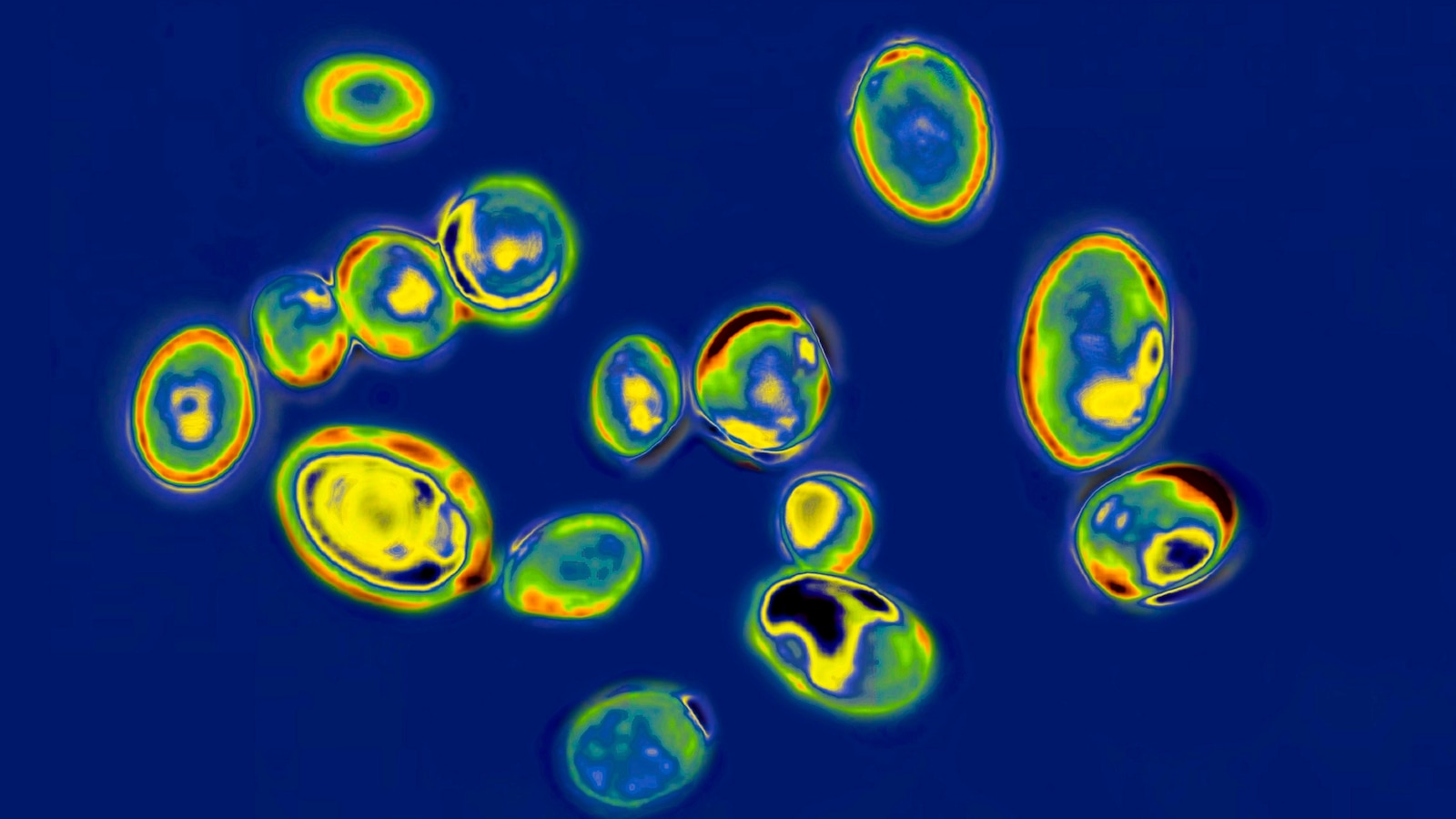
The CDC estimates that drug-resistant bacteria and fungi cause 9.7 million infections and 50,800 deaths each year in the US.
Those estimates are higher than figures in a 2019 report, but the CDC says its data and methods changed, so the totals cannot be directly compared.
The agency lists 19 major drug-resistant germs, including four it calls urgent threats, such as the fungus Candida auris and carbapenem-resistant bacteria.
Candida auris has spread in healthcare settings and can be difficult to treat, while some of the other threats can cause severe infections in hospital patients.
Resistance leaves doctors with fewer effective treatments, which can mean longer hospital stays and a greater risk of life-threatening complications.
Hospital-linked infections caused more than 42,000 deaths and cost the US healthcare system more than $12 billion, and the CDC is also monitoring six germs on a watch list.

The CDC estimates drug-resistant bacteria and fungi cause 9.7 million infections and 50,800 deaths in the United States each year.
The estimates appear in the agency’s latest Antimicrobial Resistance Threats Report, based on data collected in 2023.
The report says infections commonly occurring in hospital patients accounted for more than 42,000 deaths and over $12 billion in US healthcare costs.
The CDC says some increases reflect more infections, but changed data sources and methods mean the estimates should not be directly compared with its 2019 report.
The CDC identifies four pathogens as urgent threats, including Candida auris and carbapenem-resistant bacteria.
- Who
- The US Centers for Disease Control and Prevention issued the report.
- What
- The report estimates drug-resistant bacteria and fungi cause 9.7 million infections and 50,800 deaths in the United States each year.
- When
- The report was published Tuesday, October 27, 2026; its findings are based on data collected in 2023.
- Where
- United States.
- Why
- Drug-resistant bacteria and fungi can survive medicines intended to treat infections, reducing effective treatment options.
This story does not have two clearly opposing sides.
A previous CDC report estimated 2.8 million drug-resistant infections and 35,000 deaths annually.
The CDC collected data for its latest report, including an estimate of 4,523 Candida auris infections.
The CDC released its latest Antimicrobial Resistance Threats Report.
- Annual infections
- 9.7 million in the United States
- Annual deaths
- 50,800 in the United States
- Hospital-associated deaths
- More than 42,000
- Hospital infection costs
- More than $12 billion
- Threat categories
- 4 urgent, 13 serious and 2 concerning pathogens
3 sources
What people are saying
Antimicrobial resistance threatens modern medicine and puts millions of Americans at risk every year.
These numbers are alarming by any measure but are particularly sobering when infectious diseases physicians connect real patients with these statistics in their everyday experience.
We need more drug development for sure.
And now we're at the point where our probably broadest antibiotic class -- called carbapenems -- some of the bacteria are resistant to,