

Business · Energy & Commodities · 5 hrs ago
Weak monsoon raises risk of lower winter crop planting in India
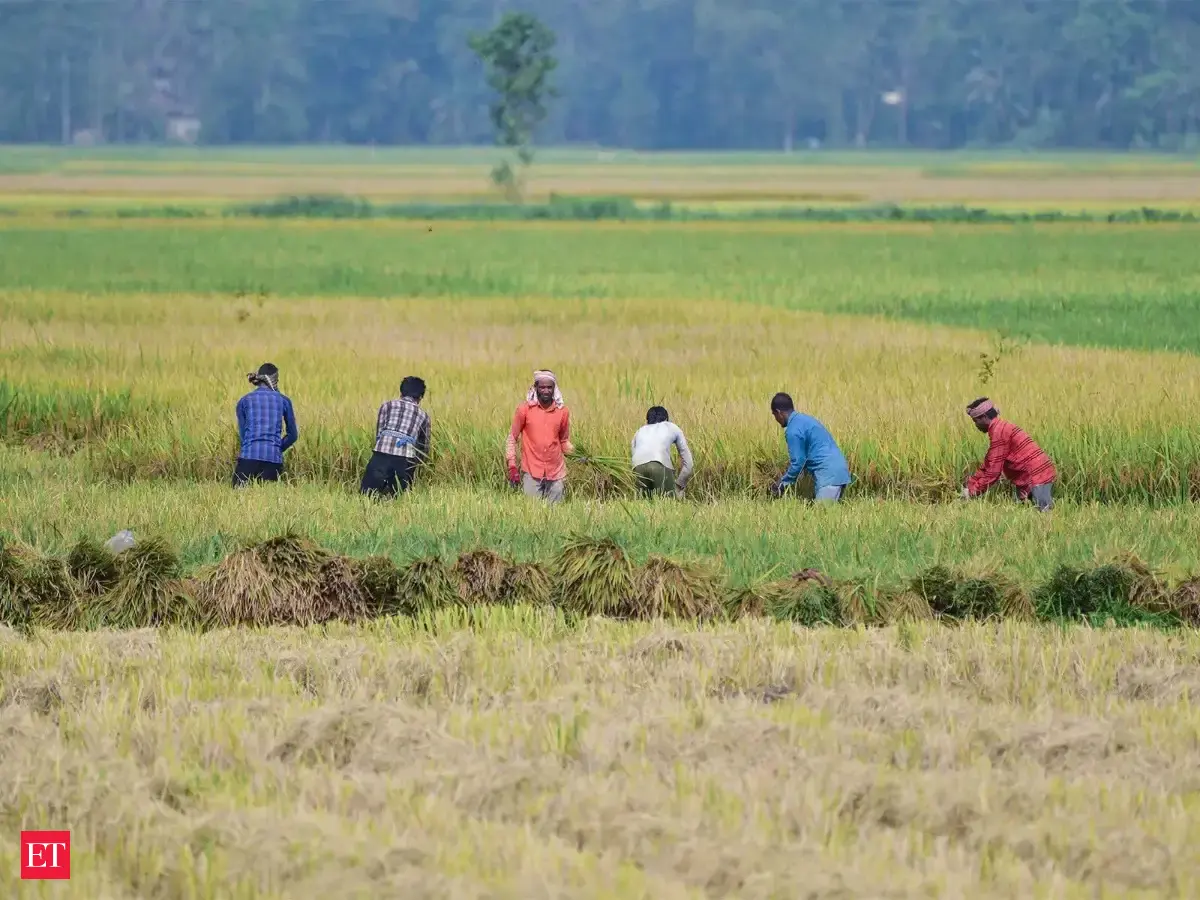
India’s weak monsoon may reduce winter crop planting as farmers face shortages of water for irrigation.
The concern affects several states, including Karnataka, Maharashtra, Rajasthan and Madhya Pradesh, where soil moisture is below its decade average.
Reservoirs are also under strain: 36 have no more than half the water they held at the same time last year.
About 58% of the districts tracked by India’s weather department have had deficient or largely deficient rainfall.
Some crops could lose 25–30% of their planted area, with wheat and mustard especially exposed because they need repeated irrigation.
The risk comes as wholesale food inflation reached 7.36% in September, adding pressure to food prices.
Governments are urging water-stressed farmers to consider less water-intensive crops, and planting decisions are expected in the coming weeks.

Deficient monsoon rainfall, low soil moisture and depleted reservoirs may lead farmers in India to reduce winter crop planting.
Wheat and mustard may be most affected because they need multiple rounds of irrigation.
Acreage could fall by 25-30% in some crops, according to the president of the Dal Mill Association.
The risk comes amid rising food prices, with wholesale food inflation at 7.36% in September.
Governments have urged farmers in water-stressed areas to choose less water-intensive crops, including pulses and oilseeds.
- Who
- Farmers across several regions of India may scale back winter sowing.
- What
- Deficient rainfall and limited water supplies threaten winter crop acreage and output.
- When
- In the coming weeks, as farmers make planting decisions for this winter.
- Where
- Several regions of India, including Karnataka, Maharashtra, Andhra Pradesh, Telangana, Tamil Nadu, Rajasthan, Gujarat, Madhya Pradesh and parts of northern Bihar.
- Why
- Low soil moisture and depleted reservoir levels threaten irrigation supplies.
This story does not have two clearly opposing sides.
Wholesale food inflation rose to 7.36%.
Farmers are expected to make winter planting decisions amid concerns about soil moisture and irrigation reserves.
- Possible acreage decline
- 25-30% in some crops
- Wholesale food inflation
- 7.36% in September
- Reservoirs at 50% or less than the same time last year
- 36
- Reservoirs at 50% or less of normal storage
- 26
- Districts with deficient or largely deficient precipitation
- Around 58% of 741 tracked by the IMD
What people are saying
Acreage could decline by 25-30% in some crops