

Science & Tech · Big Tech & Internet · 56 mins ago
Japan’s data centre boom draws growing opposition from residents
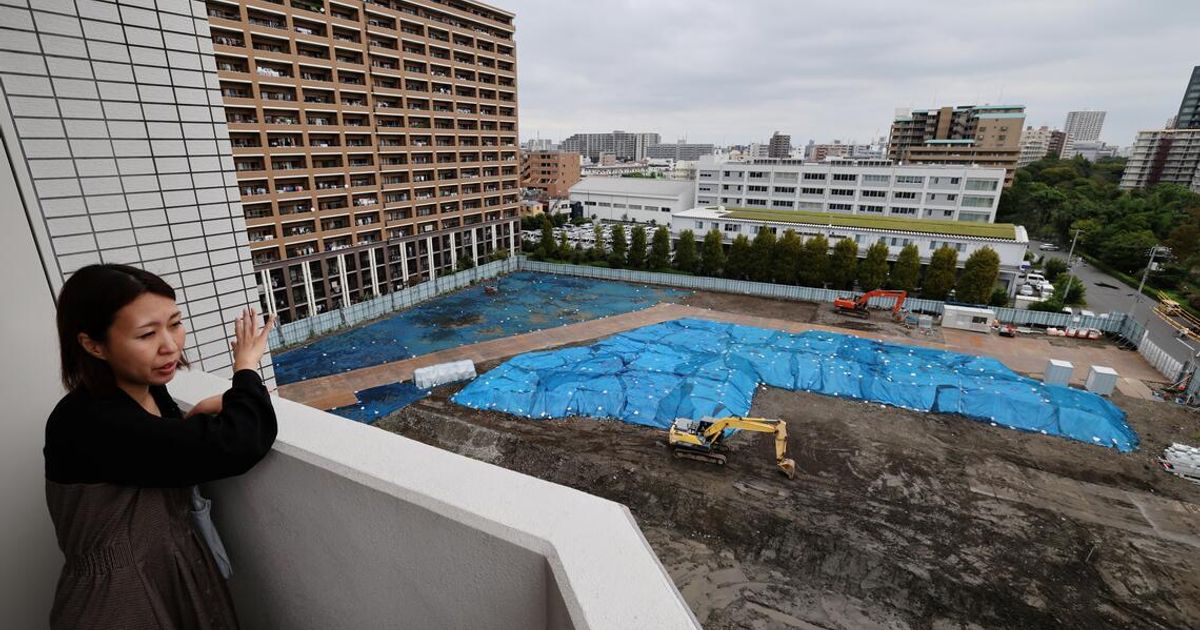
Japan is attracting investment in data centres, but many facilities are being built near homes in the crowded Tokyo area.
In Kashiwa, two 31-metre data centres stand beside residents’ homes, and generator tests have brought noise, fumes and heat.
In Tokyo’s Koto ward, residents are concerned about a planned facility with underground fuel tanks in an area at high risk of flooding and earthquakes.
Residents are seeking binding rules on noise, heat, fuel safety and where data centres can be built.
The concerns matter as Japan expects its data centre market to keep growing, and the government sees the industry as a source of economic growth.
A national action plan is due by the end of 2026, while Koto residents’ petitions await consideration by Tokyo’s metropolitan assembly.

Residents in Japan are increasingly opposing data centres built close to homes, citing noise, smoke, heat and safety concerns.
In Kashiwa, two 31-metre data centres owned by Hong Kong-based PAG stand in front of Susumu Goto’s home.
In Tokyo’s Koto ward, residents are seeking binding rules as a Singapore-based company builds a data centre near homes in an area prone to flooding and earthquakes.
About 60% of Japan’s data centres are in and around the Tokyo metropolitan area, which has about 37 million residents.
Japan plans to finalise an action plan by the end of 2026, while forecasts point to continued growth in the data centre market.
- Who
- Residents including Susumu Goto and Ayano Sasaki are opposing nearby data centres. Developers include PAG and Empyrion Digital.
- What
- Residents have raised concerns about data centres’ effects on nearby homes and are seeking stronger rules.
- When
- The articles were published on November 26, 2026. An action plan is due by the end of 2026.
- Where
- Kashiwa, northeast of Tokyo, and Koto ward in Tokyo, Japan.
- Why
- Residents cite noise, smoke, heat, fuel safety and the proximity of facilities to homes.
Residents
Data centre developers
Proximity to homes
Residents
Residents object to facilities being built close to homes and have sought rules on their placement.
Data centre developers
USI Engineering said the Koto site was selected after reviewing regulatory compliance, infrastructure conditions and environmental impact.
Effects on residents
Residents
Goto says generator tests bring noise, smoke and fuel smells; Sasaki raised concerns about the site’s flood and earthquake risks.
Data centre developers
USI Engineering said the site was chosen after reviewing environmental impact; PAG said it considers local environmental and community impact.
Goto’s home in Kashiwa looked out on a grassy field where neighbours played sports.
The Japan Data Center Council, Tokyo and several local governments drew up best-practice guidelines.
Six backup generators facing Goto’s home ran a test, producing black smoke, hot air and noise.
Japan’s action plan is due to be finalised.
Empyrion Digital’s Koto data centre is due for completion.
- Kashiwa data centres
- Two buildings, each 31 metres tall, owned by PAG
- Tokyo-area concentration
- About 60% of Japan’s data centres
- Tokyo metropolitan population
- About 37 million
- Koto facility
- 51 metres tall; due for completion in 2029
- Koto site distance
- Sasaki’s apartment building is 3.7 metres from the planned facility
- Market forecast
- US$33.4 billion by 2030, up from US$23.4 billion in 2024, according to JLL
3 sources
What people are saying
Every morning when I step outside, my whole view is swallowed up by the buildings.
I can’t stand the noise, so I close the windows or leave the house to escape it.
It’s incredible that something like this can be built here without any special regulations.
after reviewing regulatory compliance, infrastructure conditions and environmental impact