

World · East Asia & Pacific · 6 hrs ago
Spiky Water Plants Wash Into Rice Fields After Inbanuma Levee Breach
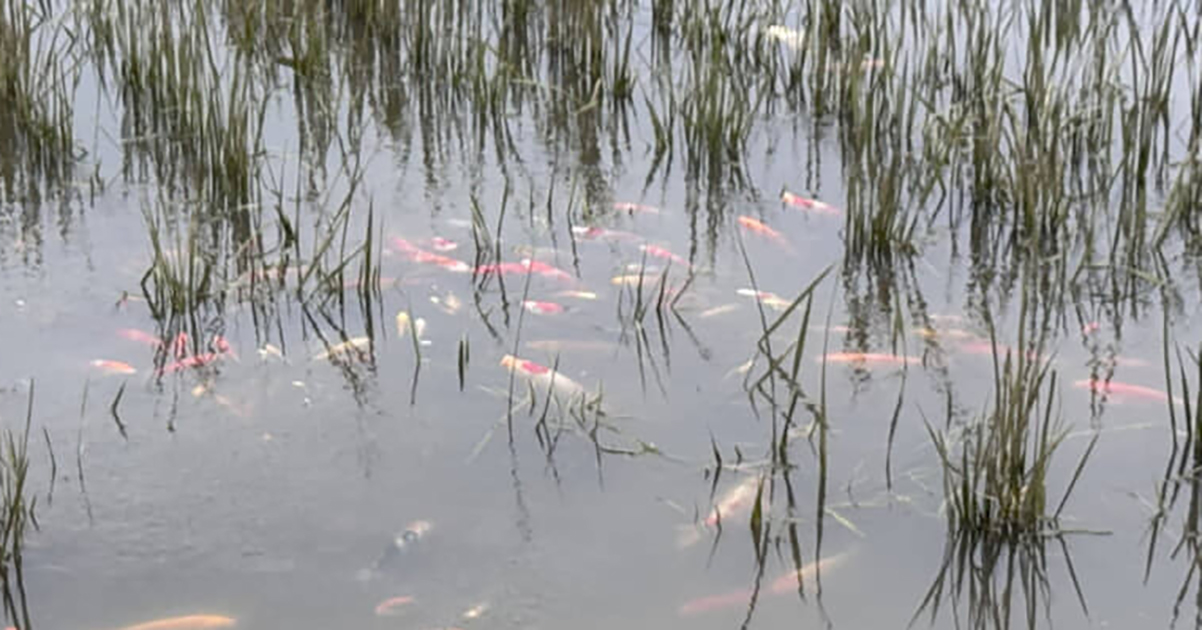
A levee breach near Inbanuma in Chiba flooded nearby rice fields after heavy rain from Typhoon 25.
The floodwater carried in large amounts of water chestnut plants, whose hard, sharp seeds are known as “makibishi.”
Some fields were left covered with the spiky seeds, and in places rice plants were crushed.
Farmers say the seeds could puncture tractor tires, injure people or make it difficult to work the fields.
The debris is delaying autumn farm work, while farmers also worry about whether ploughing the seeds into the soil could affect rice growth.
An environmental researcher said large deposits should be removed, though water chestnut has also been used as fertilizer.
Chiba Prefecture plans to help pay for removing material washed onto farmland, and will work out the amount of support.

Spiky water-chestnut plants washed into rice fields near Inbanuma after a levee breach during heavy rain from Typhoon No. 25.
Farmers say the hard, sharp fruits could puncture tractor tires and are preventing some autumn fieldwork.
The plants, mostly four-spined water chestnuts, grew near the breached levee and appear to have been carried into fields by floodwater.
A farmer in Narita said 3.5 hectares of his rice fields were flooded, and some were covered with dead plants that had crushed the rice.
Chiba Prefecture plans to support the cost of removing material washed onto farmland.
- Who
- Farmers near Inbanuma, including farmer Yasutaka Yamazaki in Narita, are dealing with the plants.
- What
- Large amounts of spiky water-chestnut plants washed into rice fields, obstructing autumn work and posing risks to machinery and farmers.
- When
- After heavy rain from Typhoon No. 25 caused a levee breach; the articles do not give the breach date.
- Where
- Rice fields around Inbanuma in Chiba Prefecture, including Narita.
- Why
- Floodwater from the levee breach appears to have carried plants growing near the levee into the fields.
This story does not have two clearly opposing sides.
Heavy rain from Typhoon No. 25 caused a levee breach and flooding around Inbanuma.
Water chestnut plants had washed into rice fields, and some farmers were unable to begin autumn work.
- Flood cause
- Heavy rain from Typhoon No. 25
- Plant type
- Mostly four-spined water chestnuts
- Yasutaka Yamazaki's flooded farmland
- 3.5 hectares
- Removal support
- Chiba Prefecture plans to help cover removal costs
3 sources
What people are saying
I have no choice but to avoid the water chestnut fruits while plowing, but the tractor could run over them and puncture a tire.
Removal is desirable in places where large amounts have accumulated.