Politics · Australia · 12 hrs ago
NT report finds rising costs leave many households struggling
A report from the NT Council of Social Service examines living costs in the Northern Territory from 2016 to 2026.
It says costs for essentials have risen even as incomes increased in real terms, putting pressure on people, especially those on low incomes.
Foodbank Australia estimates that 46 per cent of NT households experienced food insecurity in 2025, compared with 33 per cent nationally.
Food is even more expensive in remote areas: in 2023, a healthy food basket cost 40 per cent more in remote stores than in a supermarket.
Electricity costs have risen, and the report says there were 103,648 involuntary power disconnections in major NT centres last year.
Rents rose 55 per cent over the decade, while social housing stock grew by 4 per cent between 2017 and 2025 and applications rose by 37 per cent.
These pressures can leave people unable to afford basics such as food, electricity and housing.

A Northern Territory Council of Social Service report says rising costs are making it harder for Territorians, especially people on low incomes, to afford essentials.
It found that 46 per cent of NT households experienced food insecurity in 2025, compared with 33 per cent nationally.
The report says rents rose 55 per cent over the past decade, while the NT’s social housing stock grew by 4 per cent between 2017 and 2025.
Power costs rose 18 per cent, and the report recorded 103,648 involuntary electricity self-disconnections in major NT centres last year.
It says a healthy food basket cost 40 per cent more in remote stores than in a supermarket in 2023.
- Who
- The NT Council of Social Service produced the report. It examines cost pressures affecting Territorians, particularly those on low incomes.
- What
- The report documents increases in the cost of housing, utilities, transport and food between 2016 and 2026.
- When
- It was released on October 12, 2026. It reports on cost changes across 2016–2026.
- Where
- The Northern Territory, Australia.
- Why
- The report examines how rising costs affect households’ ability to afford essentials.
This story does not have two clearly opposing sides.
The report compares changes in the cost of living across housing, utilities, transport and food.
The report uses this period as a comparison for the increase in monthly power disconnections.
The average cost of a healthy food basket was 40 per cent more in remote stores than in a supermarket.
An estimated 46 per cent of NT households experienced food insecurity.
The NT Council of Social Service report was released.
- Food insecurity
- 46 per cent of NT households in 2025
- National comparison
- 33 per cent of households experienced food insecurity in 2025
- Rent increases
- 55 per cent over the past decade
- Power costs
- Rose 18 per cent
- Involuntary self-disconnections
- 103,648 in major NT centres last year
- Social housing stock
- Increased 4 per cent between 2017 and 2025
What people are saying
Sometimes I can't buy groceries, or meat, or anything
It's more than the government payment that they give you, the Centrelink payment doesn't carry people through fortnightly
Affordability challenges are a key driver of such disconnections
Sources
Related news
Victoria reconsiders rejected Fingerboards mineral sands mine proposal
Climate Council urges stricter rules for expanding coal and gas projects
Frydenberg leaves door open to political return in memoir
Labor MPs seek lasting solution for ATO credit card payments
Greens seek stronger digital safety laws, including right to sue tech firms
Former NSW and federal MP Bruce Baird farewelled at Sydney funeral

Former students allege unsafe practices at Sydney private school

Australia marks 25 years of military service in Afghanistan

Pauline Hanson drew stronger support than Angus Taylor at Brisbane CPAC
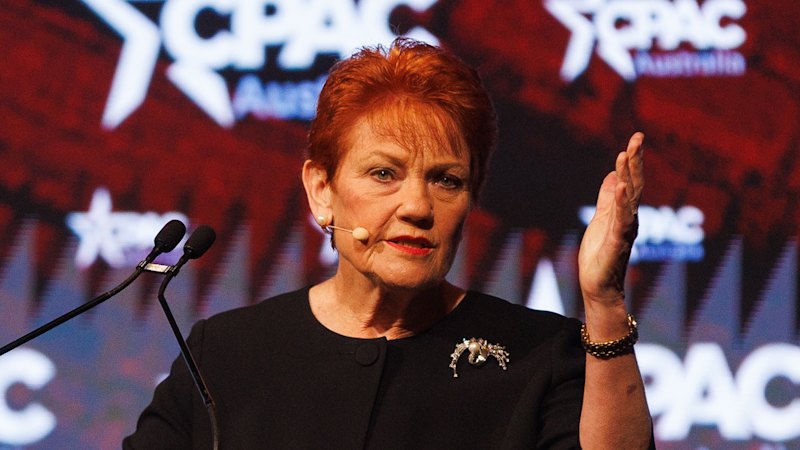
Hanson attacks Taylor at Brisbane conservative conference but offers cooperation
Andrew Leigh warns AI ownership could widen income inequality