

World · South & Central Asia · 7 hrs ago
ED says Myanmar drug syndicates use goods to pay Indian networks
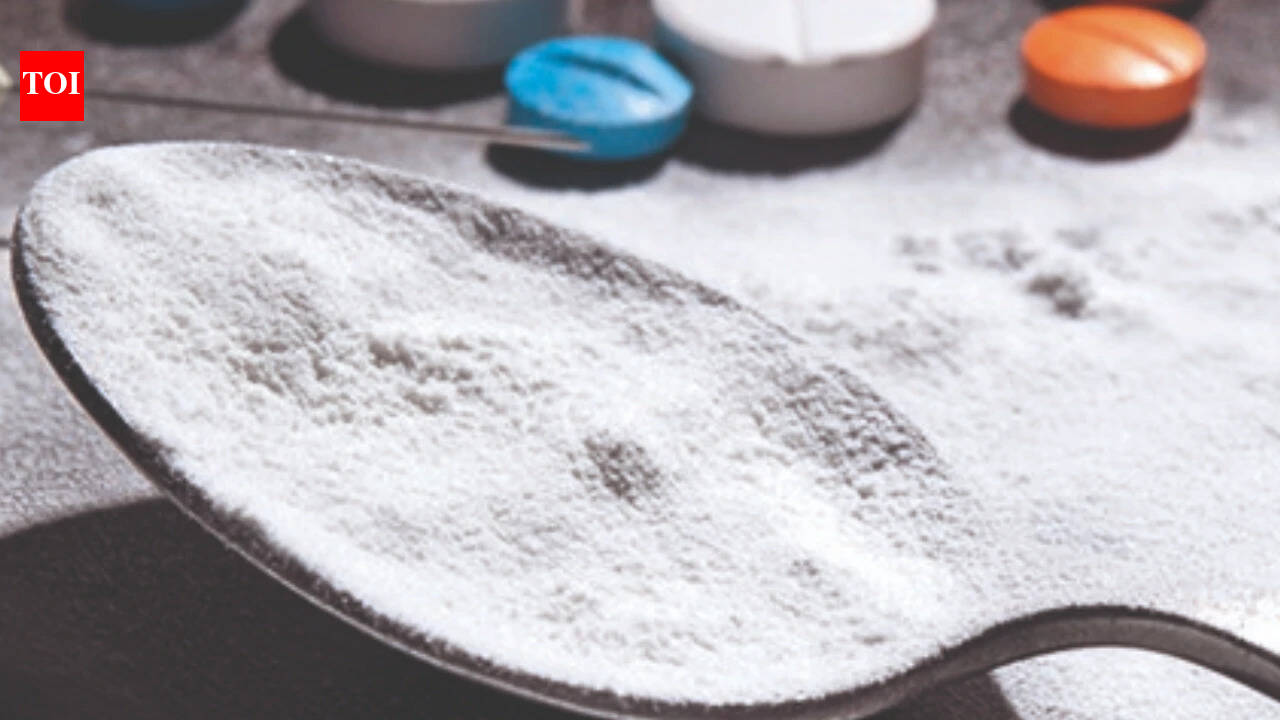
The Enforcement Directorate says drug syndicates linked to Myanmar pay Indian networks with goods, not cash crossing the border.
The trade involves heroin and methamphetamine smuggled into India through porous borders in the Northeast, including Mizoram.
Indian intermediaries supply petrol, flour, medicines and other goods to networks across the border in exchange for drugs.
The goods are bought with money routed through Indian bank accounts and hawala networks, while the cross-border payment is made in kind.
The ED has frozen more than 1,400 accounts and identified transactions worth over Rs 270 crore, and six people have been arrested.
The investigation is continuing to identify people and businesses involved, trace further proceeds of crime and dismantle the financial networks behind the trafficking.

The Enforcement Directorate says drug syndicates operating from the Golden Triangle are using goods, rather than cash, to pay Indian networks.
Heroin, brown sugar and methamphetamine are smuggled into India, while Indian intermediaries supply goods including fuel, food, medicines, footwear and clothing to Myanmar.
The ED said it identified transactions involving goods worth more than Rs 270 crore and froze over 1,400 bank accounts.
Six people have been arrested, and the investigation is continuing.
- Who
- Drug syndicates operating from Myanmar and their Indian networks, according to the ED.
- What
- The ED says the networks use barter, with drugs entering India and goods sent to Myanmar as payment.
- When
- The ED compiled its report after searches conducted the previous week. The article was published on November 1, 2026.
- Where
- The trade involves the Golden Triangle and India’s northeastern states, including Mizoram.
- Why
- The syndicates make payments in kind so that money does not cross the Myanmar border.
This story does not have two clearly opposing sides.
The ED conducted searches at 38 locations across the Northeast.
The ED compiled an investigation report describing barter payments and the networks involved.
- Goods transactions identified
- More than Rs 270 crore
- Bank accounts frozen
- Over 1,400, mostly belonging to traders
- Arrests
- Six people
- Cash received by hawala networks in Champhai
- Rs 125 crore
- Border crossing described
- Tiau river at Zokhawthar
What people are saying
The banking system is thus used only for Indian leg of the transaction, where the payment looks like an ordinary trade payment backed by a GST invoice. The cross-border leg moves as goods and leaves no money trail.
In effect, fuel, flour and groceries have become currency in which Myanmar-based drug suppliers are paid.