

Business · Energy & Commodities · 1 hr ago
High Jet Fuel Costs Put Airlines Under Pressure as Hedges Expire
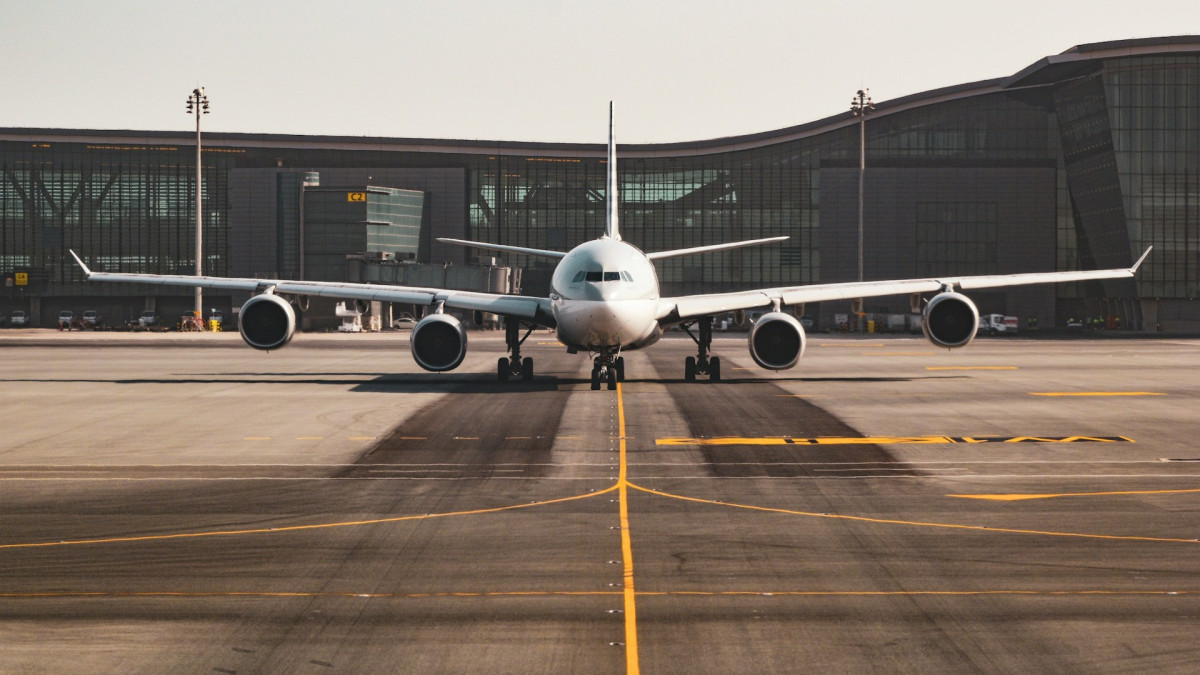
Airlines are struggling with high jet fuel costs after war-related disruption around the Strait of Hormuz pushed prices up.
Jet fuel is now just below $150 a barrel, down from a peak near $180 but well above the $85 airlines paid before the war.
Many airlines' fuel-price hedges are expiring, leaving them to choose between locking in current prices or risking further increases.
The decision matters because fuel is a major airline expense, and high costs can add to losses or threaten a carrier's survival.
United Airlines chief executive Scott Kirby said he expects six of 10 US airlines to lose money this year, while European airlines have faced an extra $12 billion in fuel costs so far.
The pressure may worsen over winter, when air travel usually declines and higher ticket prices could further weaken demand.
Executives say the outlook depends in part on how long the war lasts and whether a deal can be reached over the Strait of Hormuz.

Jet fuel prices remain far above pre-war levels, putting airlines under pressure as fuel hedging contracts expire.
Jet fuel is trading at just below $150 per barrel, compared with $85 before the war began and a peak of about $180 last month.
Airlines must decide whether to renew hedges at current prices or leave themselves exposed to further price rises or possible falls.
Industry executives warn that high fuel costs could push airlines into losses and put some at risk of trouble.
European airlines have incurred an extra $12 billion in collective fuel costs so far because of war-related supply disruption.
- Who
- Airlines, including carriers in the United States and Europe.
- What
- High jet fuel costs and expiring hedging contracts are increasing financial pressure on airlines.
- When
- The article was published on November 17, 2026; some hedges are expected to expire toward the end of the financial year in March.
- Where
- The pressure affects airlines globally, with the article also highlighting the United States and Europe.
- Why
- War-related disruption to tanker traffic through the Strait of Hormuz drove fuel prices higher, while airlines’ hedges are expiring.
This story does not have two clearly opposing sides.
Airlines paid about $85 per barrel for jet fuel.
Jet fuel prices reached peaks of about $180 per barrel.
Jet fuel is trading at just below $150 per barrel, and airlines’ hedging contracts are expiring.
More hedges are expected to roll off.
- Current jet fuel price
- Just below $150 per barrel
- Pre-war jet fuel price
- $85 per barrel
- Peak jet fuel price
- About $180 per barrel last month
- European airlines’ additional collective fuel bill
- $12 billion
- US airlines expected to lose money
- Six of 10
What people are saying
Our view is that we are facing a new normal where the fuel price is there to stay at the levels that we see more or less today
I think it's most likely that fuel stays high
It is increasing the stress. I think six of 10 US airlines are going to lose money this year.
We can expect to see more airlines in trouble.