

Science & Tech · Science & Environment · 54 mins ago
Neanderthal shoulder wound may be evidence of a spear attack
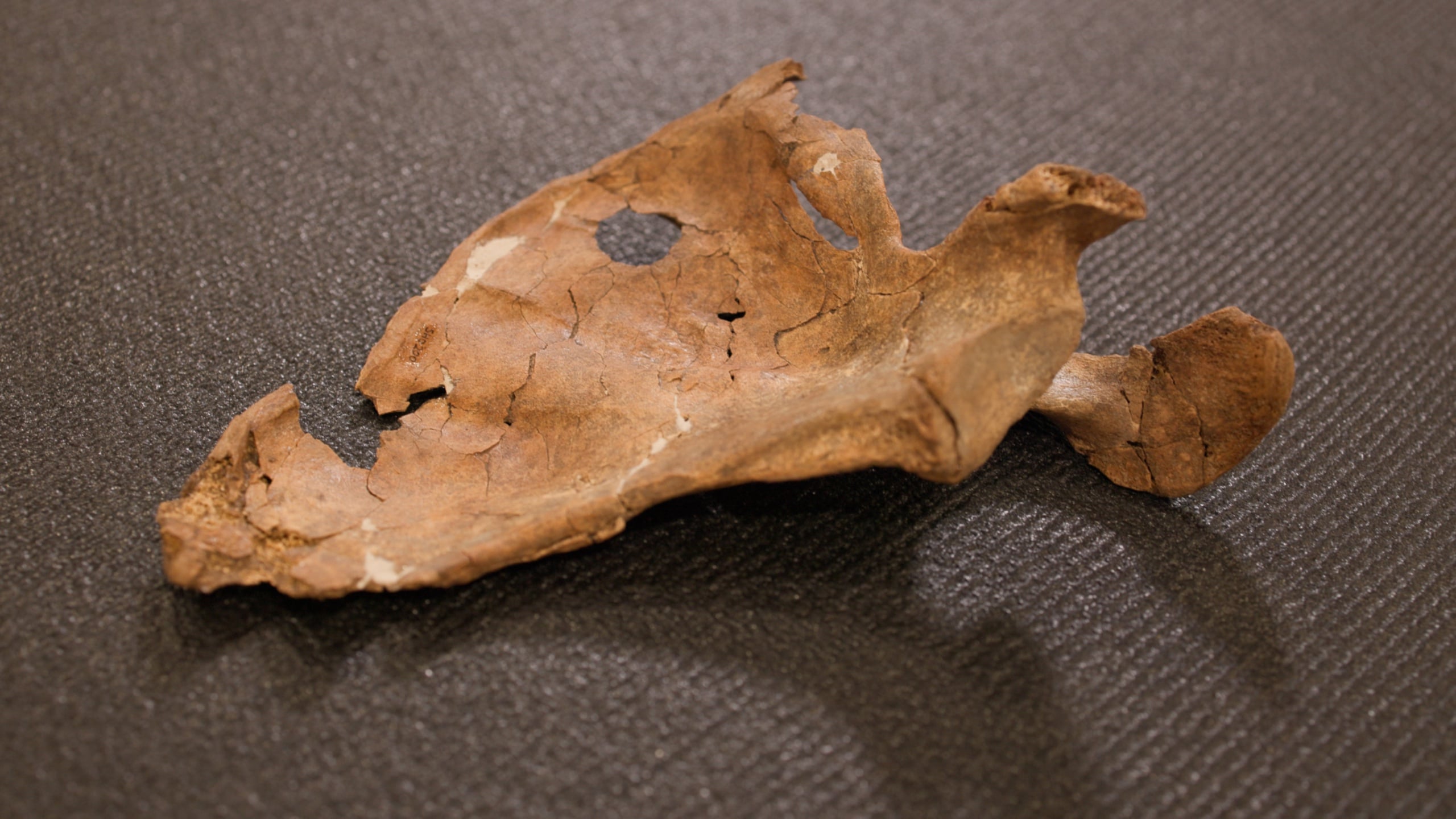
Archaeologists found a 15mm hole in a Neanderthal’s shoulder blade at Shanidar Cave in Iraqi Kurdistan.
The individual, known as Shanidar A, lived about 75,000 years ago, and researchers think a sharpened wooden spear may have pierced the body.
The wound could be the earliest evidence of a lethal spear attack in the prehistoric Middle East, but researchers cannot say for sure how it happened.
It may have been caused by an attack or by an accident during a hunt.
The injury adds to evidence that Neanderthals may have experienced more violence than scientists once thought.
Neanderthals were a separate human species that lived across Europe and parts of Asia before going extinct about 40,000 years ago.

Researchers say a 15-millimeter hole in a Neanderthal shoulder blade may be evidence of a fatal wooden-spear wound about 75,000 years ago.
The remains, known as Shanidar A, were found in Shanidar Cave in Iraqi Kurdistan.
Researchers say the wound’s shape and position are consistent with a spear passing through the chest and exiting through the left shoulder blade.
They say it is unclear whether the injury resulted from an attack or a hunting accident.
The remains also show that Shanidar A survived a severe facial injury for at least a year, likely with care from other Neanderthals.
- Who
- Shanidar A, an adult Neanderthal estimated to have been about 45 years old.
- What
- A hole in the left shoulder blade may have been caused by a wooden spear that passed through the chest.
- When
- About 75,000 years ago.
- Where
- Shanidar Cave in Iraqi Kurdistan.
- Why
- Not stated. Researchers say it is unclear whether the wound came from an attack or a hunting accident.
Researchers who consider an attack more likely
Researchers who consider the cause uncertain
Cause of wound
Researchers who consider an attack more likely
Chris Stringer said interpersonal violence seemed more likely, given the wound’s position and extent.
Researchers who consider the cause uncertain
Emma Pomeroy said the injury could have resulted from a hunting accident, and that interpersonal violence was not certain.
Shanidar A sustained the wound that researchers think may have been caused by a spear.
Shanidar A suffered a facial injury that split a lower front tooth and survived for at least a year.
Excavations at Shanidar Cave uncovered remains of at least 10 Neanderthals, according to BBC.
Researchers excavated Shanidar A's remains from Shanidar Cave, according to ScienceAlert.
- Wound
- 15-millimeter hole in the left shoulder blade
- Individual
- Shanidar A, estimated to have been about 45 years old
- Site
- Shanidar Cave, Iraqi Kurdistan
- Possible weapon
- Sharpened wooden spear
- Study journal
- Scientific Reports
6 sources
Neanderthal murder mystery reveals a tale of violence and compassion
Was Neanderthal life violent? This wound suggests lethal fighting was more common
Earliest evidence of human ancestor killed with wooden spear found in Iraqi cave
Mysterious hole in Neanderthal shoulder blade may have been a 'kill shot' from a wooden spear, according to archaeologists
75,000 years ago, this Neanderthal was stabbed with a spear
Ancient Hole in Neanderthal Shoulder Blade May Be The Oldest Spear Attack Ever Discovered
What people are saying
The fatal strike may have been an intended heart shot
The position of the wound and the force required to push it right through the Neanderthal's body bear the hallmarks of an intended kill shot directed towards the heart
Holes left by recreations of spears from this time are an excellent fit for the one we found in the Neanderthal scapula. That early technology absolutely works for this wound
The researchers leave it open whether this resulted from a hunting accident or interpersonal violence, but in my view the latter seems more likely, given the positioning and extent of the wound