

Science & Tech · Science & Environment · 9 hrs ago
Stubble burning adds to seasonal air pollution in north India
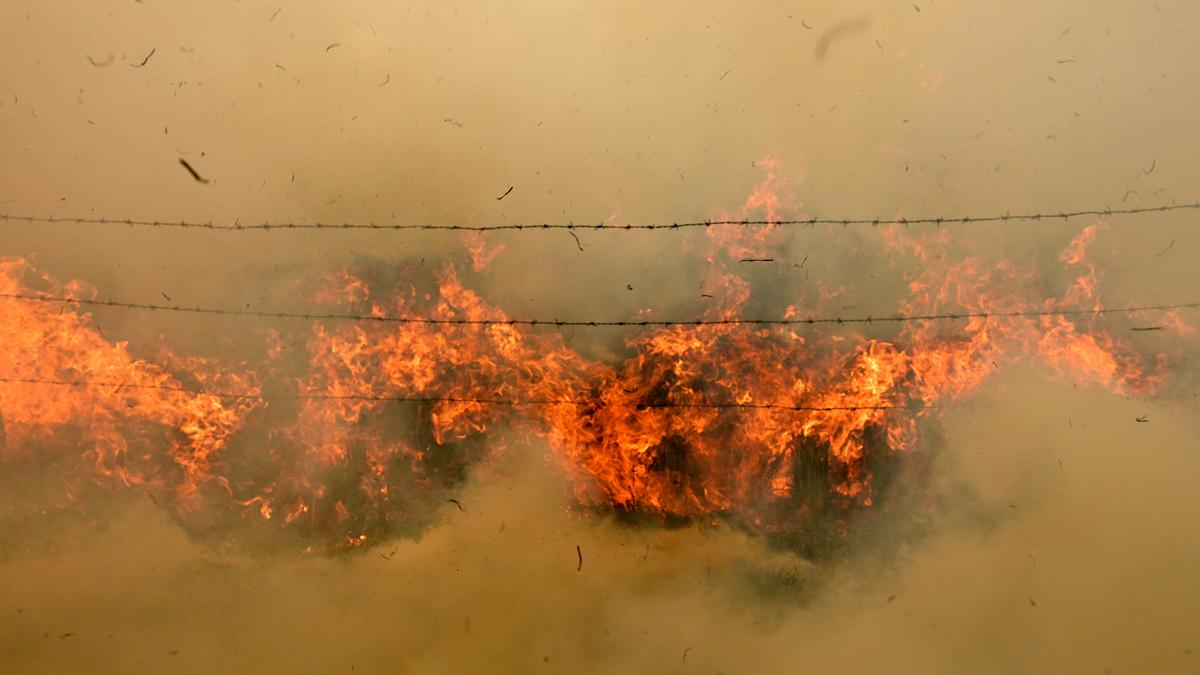
Farmers burn rice crop residue in October and November to clear fields for the next crop.
The practice is common in Punjab and occurs to a lesser extent in Haryana, Rajasthan and Uttar Pradesh.
Farmers use it because it is the cheapest way to prepare fields for wheat.
In November, weaker winds and cooler temperatures can trap pollution over the Indo-Gangetic Plain, a broad region of northern India.
Smoke from stubble burning adds to pollution from vehicles, power plants and construction dust, worsening air quality in Delhi and other north Indian cities.
The analysis argues that government approaches make the problem worse, but it gives no details here about how they do so or what will happen next.

Seasonal stubble burning adds to pollution across north India in October and November.
Farmers burn rice residues mainly in Punjab, and to a smaller extent in Haryana, Rajasthan and Uttar Pradesh.
The smoke worsens already poor air quality in Delhi and other north Indian cities.
The region’s pollution also persists as monsoon winds cease and cooler temperatures contribute to an inversion layer.
Burning is the cheapest method farmers use to prepare fields for Rabi wheat.
- Who
- Farmers in Punjab, and to a smaller extent Haryana, Rajasthan and Uttar Pradesh.
- What
- Farmers burn rice crop residues, adding particulate matter to seasonal air pollution.
- When
- October and November.
- Where
- The Indo-Gangetic Plain, including Delhi and other north Indian cities.
- Why
- Farmers burn residues because it is the cheapest way to prepare fields for Rabi wheat.
This story does not have two clearly opposing sides.
Farmers burn rice residues to prepare fields for Rabi wheat.
Pollution often clouds the Indo-Gangetic Plain as monsoon winds cease and temperatures fall.
- Main residue
- Rice chaff
- Main burning state
- Punjab
- Other states
- Haryana, Rajasthan and Uttar Pradesh
- Burning season
- October and November
- Next crop
- Rabi wheat