

Science & Tech · Science & Environment · 3 hrs ago
Hydrogen chloride on Mars may point to underground volcanic activity
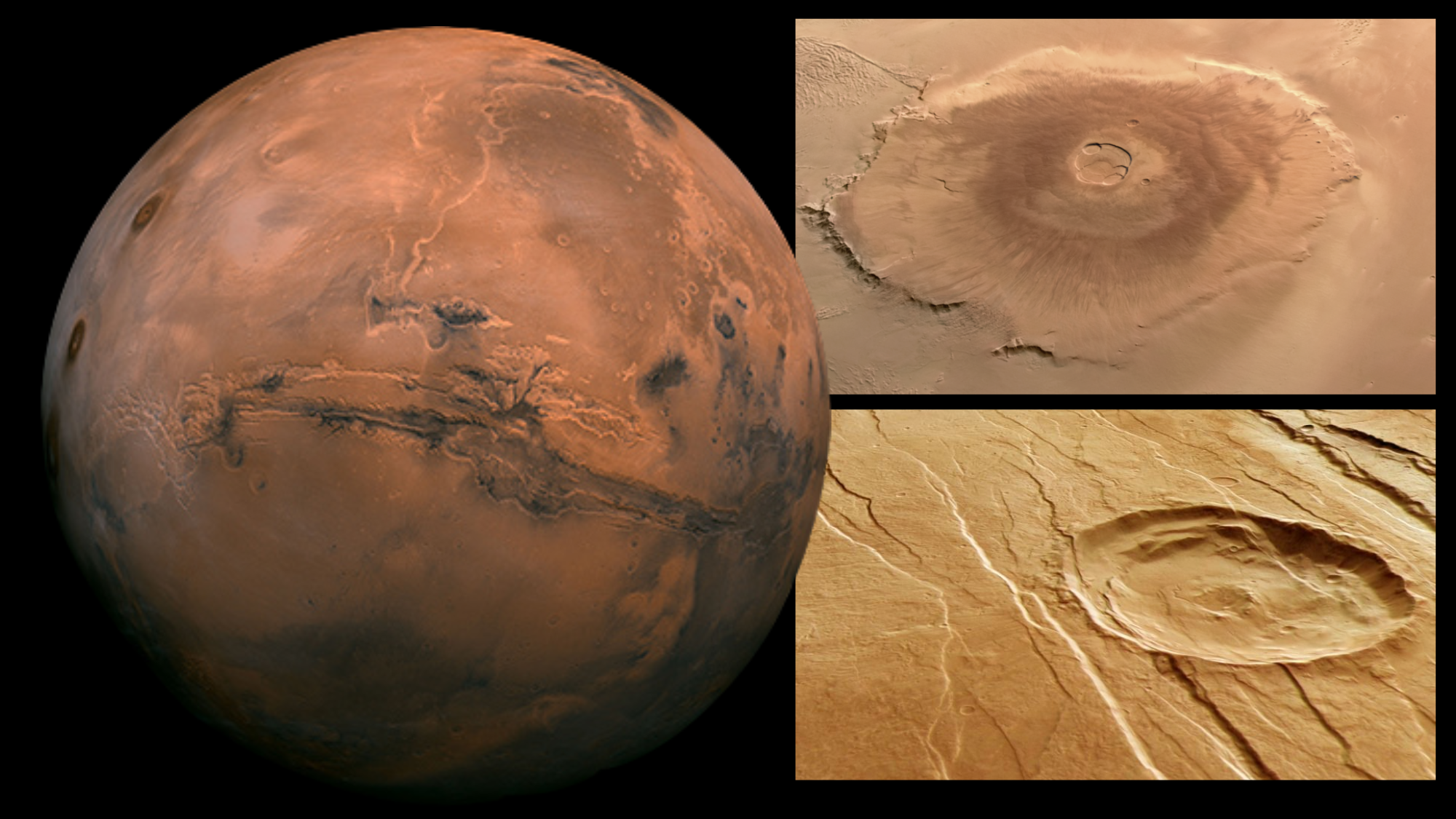
The ExoMars orbiter detected hydrogen chloride in Mars’ atmosphere, including above fissures near the Alba Mons volcanic region.
The gas was found at very low levels, and researchers say it may be escaping from magma beneath the surface.
On Earth, hydrogen chloride can be released by volcanic activity, but the Martian signal does not prove that eruptions are happening.
Mars has enormous volcanoes and recorded marsquakes, yet no new lava flows or eruptions have been observed.
The finding adds evidence that Mars may still have geological activity underground.
If heat and water interact in underground volcanic systems, they could create places with conditions that might support microorganisms, but no life has been found.
Further orbiter observations are needed to test where the gas comes from and how its levels change.

Researchers detected hydrogen chloride in Mars’ atmosphere, a gas that may point to volcanic activity beneath the surface.
The ExoMars Trace Gas Orbiter found the gas above the Alba Mons region, where fresh surface fissures have been identified.
The researchers suggest magma could be releasing the gas through cracks, but say more observations are needed to confirm its source.
The findings were reported in a study published in Science Advances.
Researchers say hydrothermal systems in the fissures could provide conditions that might support microorganisms, but no life has been found.
- Who
- A team from the Space Research Institute of the Russian Academy of Sciences conducted the research.
- What
- Researchers detected hydrogen chloride in Mars’ atmosphere. They suggest it may come from volcanic activity beneath the surface.
- When
- The gas was detected in 2021; the study was reported on 4 November 2026.
- Where
- Above the Alba Mons region of Mars.
- Why
- The researchers say hydrogen chloride may be released by magma through surface fissures, but its source has not been confirmed.
This story does not have two clearly opposing sides.
The ExoMars Trace Gas Orbiter detected hydrogen chloride in Mars’ atmosphere.
The study on hydrogen chloride as a possible sign of igneous activity on Mars was reported in Science Advances.
- Gas detected
- Hydrogen chloride
- Spacecraft
- ExoMars Trace Gas Orbiter
- Instrument
- Atmospheric Chemistry Suite
- Region
- Alba Mons
- Study journal
- Science Advances
6 sources
Gas Detected in the Martian Atmosphere May Be a Sign of Volcanic Activity
Scientists find the best evidence yet of potentially habitable volcanic vents on Mars
Gas found coming out of Mars, suggesting there is 'activity' under its surface
Energie für Lebewesen?: Studie: Möglicher Vulkanismus unter Oberfläche des Mars
Mars' volcanoes could contain the ingredients needed for alien life to develop, scientists say
Mars isn't dead — recent volcanic activity reveals it's just sleeping
What people are saying
Looking for martian life in the seeping fissures of the Alba Mons region would make a lot of sense
If hydrothermal systems are active, they could contain the ingredients and energy needed for microorganisms to develop, and shield microorganisms from the hostile and changing environment above the surface.
Det detections of HCl at low altitudes, unexplained by observed atmospheric state and models, together with the geological context of the region, hint at an igneous origin of this gas.
These findings may prove to be TGO's greatest success yet