

World · East Asia & Pacific · 3 hrs ago
Myanmar leader rejects parts of Rohingya genocide ruling
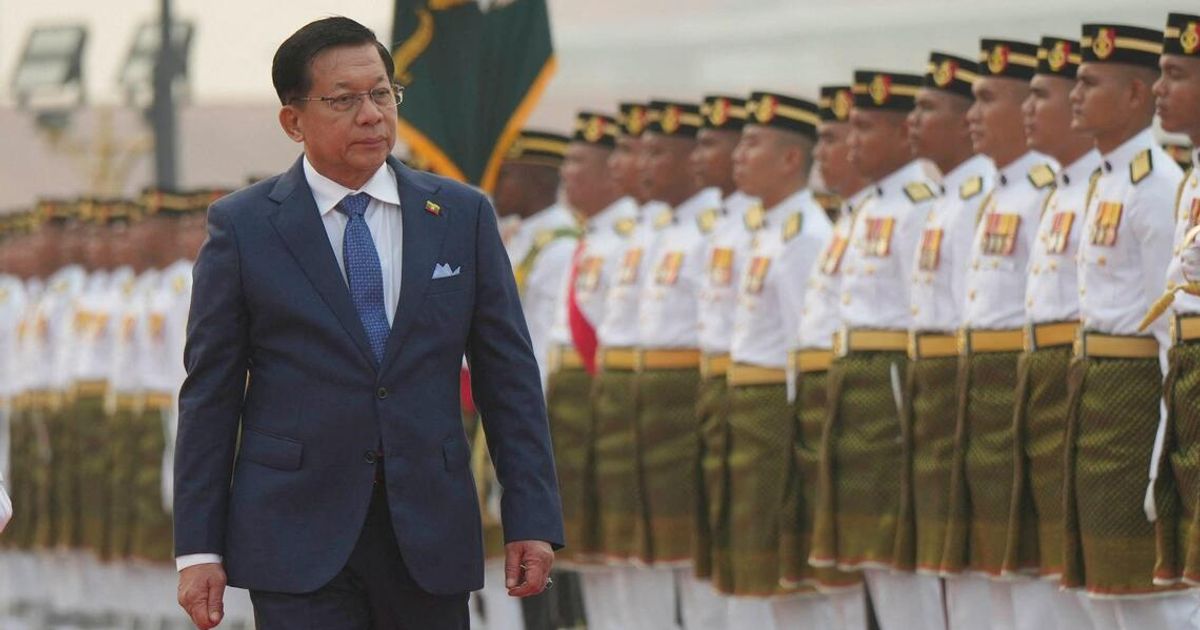
Myanmar’s leader says it will reject some parts of a genocide ruling by the International Court of Justice, the United Nations’ top court.
The ruling found that Myanmar committed genocide against the Rohingya, a mostly Muslim minority targeted in a 2017 military campaign.
The court found that security forces killed thousands of civilians and committed widespread sexual violence and extreme violence against children.
It ordered Myanmar to let Rohingya refugees return safely, pay compensation and investigate and punish people suspected of genocide.
Min Aung Hlaing called the case a “one-sided accusation” and said the word genocide had harmed Myanmar’s reputation.
The ruling is legally binding, but the court cannot enforce its decisions directly.
The UN Security Council is expected to meet privately on Dec.
7, but action could be blocked by its permanent members.

Myanmar leader Min Aung Hlaing said his government would refuse to comply with parts of an International Court of Justice ruling that it considers inappropriate.
The court ruled that Myanmar committed genocide against the Rohingya during a 2017 military operation.
It ordered Myanmar to ensure safe return for Rohingya refugees, pay compensation and investigate and punish people suspected of genocide.
Min Aung Hlaing called the case a “one-sided accusation” and said the term genocide had harmed Myanmar’s reputation.
The court’s rulings are legally binding, but it has no way to enforce them directly.
- Who
- Myanmar leader Min Aung Hlaing said his government would reject some requirements.
- What
- Myanmar said it would not comply with parts of the ICJ ruling on genocide against the Rohingya.
- When
- He made the remarks at a meeting on Nov. 25; state media reported them on Nov. 26.
- Where
- Myanmar. The court ruling concerns the Rohingya and a 2017 military operation in Rakhine state.
- Why
- He said the government would reject requirements it considered “inappropriate” and called the case a “one-sided accusation.
Myanmar government
International Court of Justice
Compliance
Myanmar government
The government said it would not comply with requirements it considered inappropriate.
International Court of Justice
The court ordered Myanmar to ensure safe return for Rohingya refugees, pay compensation and investigate and punish people suspected of genocide.
Characterisation of the operation
Myanmar government
Myanmar argued its actions targeted an armed insurgency and called the case a “one-sided accusation.
International Court of Justice
The court found Myanmar committed genocide and rejected its counter-insurgency argument.
Myanmar’s military conducted an operation against the Rohingya in Rakhine state.
Min Aung Hlaing ousted the elected government of Aung San Suu Kyi in a coup.
Myanmar’s government called the ICJ decision “a great disappointment” and “not fair”.
Min Aung Hlaing said Myanmar would not comply with requirements it considered inappropriate.
- Court
- International Court of Justice
- Rohingya operation
- 2017
- Myanmar leader
- Min Aung Hlaing
- Government response
- Nov. 20: called the decision “a great disappointment” and “not fair
- Leader’s remarks
- Nov. 25
- Ruling
- The court ordered safe return, compensation, and investigation and punishment of suspected perpetrators
3 sources
What people are saying
Myanmar would take the actions appropriate for a responsible country but would not comply with requirements it considered inappropriate
one-sided accusation
There is no evidence before the Court that, in the conduct of the clearance operations, Myanmar distinguished between civilians and alleged (Rohingya) fighters.