

Health · Mental Health · 1 hr ago
Nepal flood survivors face lasting trauma as resettlement remains unresolved
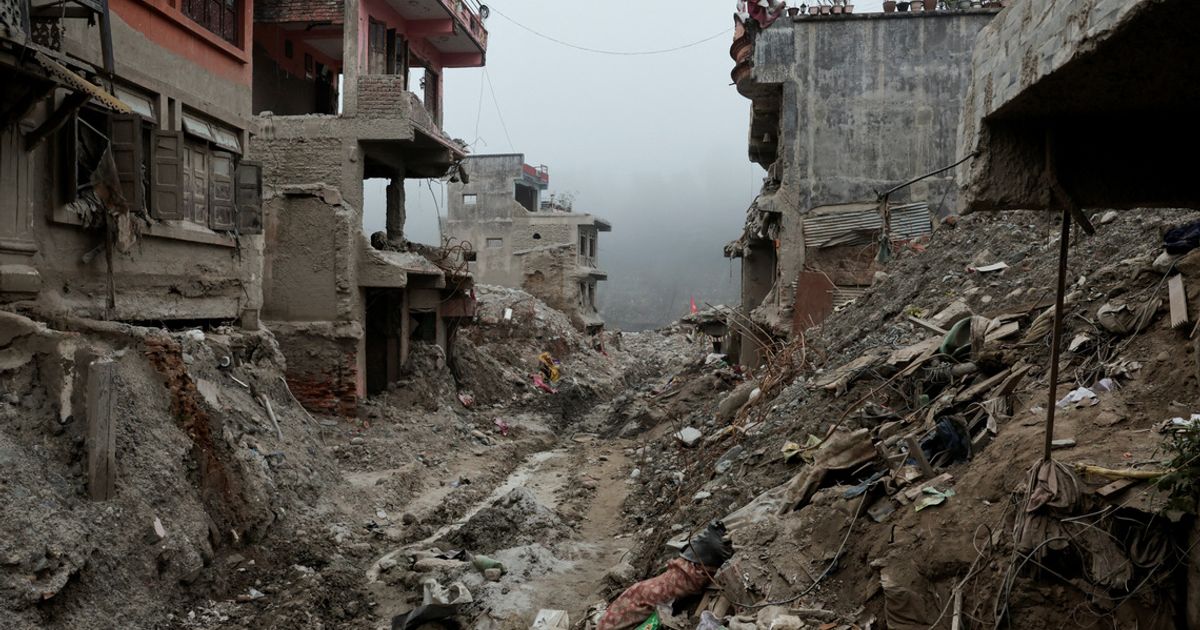
A deadly flood in Nepal left families grieving and displaced after it struck on Aug.
26.
The mud and debris flow, linked to a glacial collapse on Langtang Lirung, hit communities in Nuwakot district.
At Trishuli Hospital, daily mental health visits rose from 20–25 to 35–40 in recent months.
Survivors are coping with the loss of relatives, homes and livelihoods, as well as nightmares and distressing memories.
The federal government has not decided how displaced families will be resettled, adding to their uncertainty and distress.
Families also say missing people have not been declared dead, delaying compensation, and recovered bodies and DNA reports have not been handed over.
On Nov.
17, flood victims set up tents on government land after becoming frustrated with the lack of progress on resettlement.

Survivors of the Aug 26 flood in Nepal are experiencing lasting psychological trauma, with Trishuli Hospital reporting a rise in patients seeking mental health care.
The flood and mud-and-debris flow swept away homes, land and family members in Nuwakot.
Displaced families say the government’s delay in deciding on resettlement has increased their uncertainty and frustration.
The government has not declared missing people dead, and families say they have not received some recovered bodies or DNA reports.
On Nov 17, flood victims from Trishuli occupied Nepal Electricity Authority land in Kolanmi and erected tents.
- Who
- Flood survivors and displaced families in Nuwakot, Nepal, including patients seeking care at Trishuli Hospital.
- What
- Survivors are dealing with lasting trauma, while resettlement remains unresolved.
- When
- The disaster happened on Aug 26; the article was published on Nov 23, 2026.
- Where
- Nuwakot district, including settlements near Trishuli Bazar and Trishuli Hospital.
- Why
- The Aug 26 flood caused deaths, displacement and loss of homes and livelihoods; uncertainty over resettlement has compounded survivors’ distress.
This story does not have two clearly opposing sides.
A flash flood and mud-and-debris flow struck the area, sweeping away homes and family members.
A drone view showed houses covered in mud after flash floods and a mudslide in Nuwakot district.
Flood victims from Trishuli occupied Nepal Electricity Authority land in Kolanmi and erected tents.
The Straits Times published its report on survivors’ trauma and the unresolved resettlement issue.
- Flood date
- Aug 26
- Hospital
- Trishuli Hospital
- Daily mental health patients
- Usually 20 to 25; recently 35 to 40
- Affected district
- Nuwakot
- Land occupied
- Nepal Electricity Authority land in Kolanmi
- Occupation date
- Nov 17
What people are saying
Cases of anxiety, depression and other serious mental health conditions have increased at our hospital in recent months.
Normally, around 20 to 25 patients with mental health problems seek treatment at our hospital each day. But the number has risen to 35 to 40 these days.
The sight of our brother-in-law swept away by the raging river troubled him deeply.
He began screaming in panic in the middle of the night, calling others to go and block the river.