

Politics · United Kingdom · 9 hrs ago
Ofcom finds children still encounter harmful online content
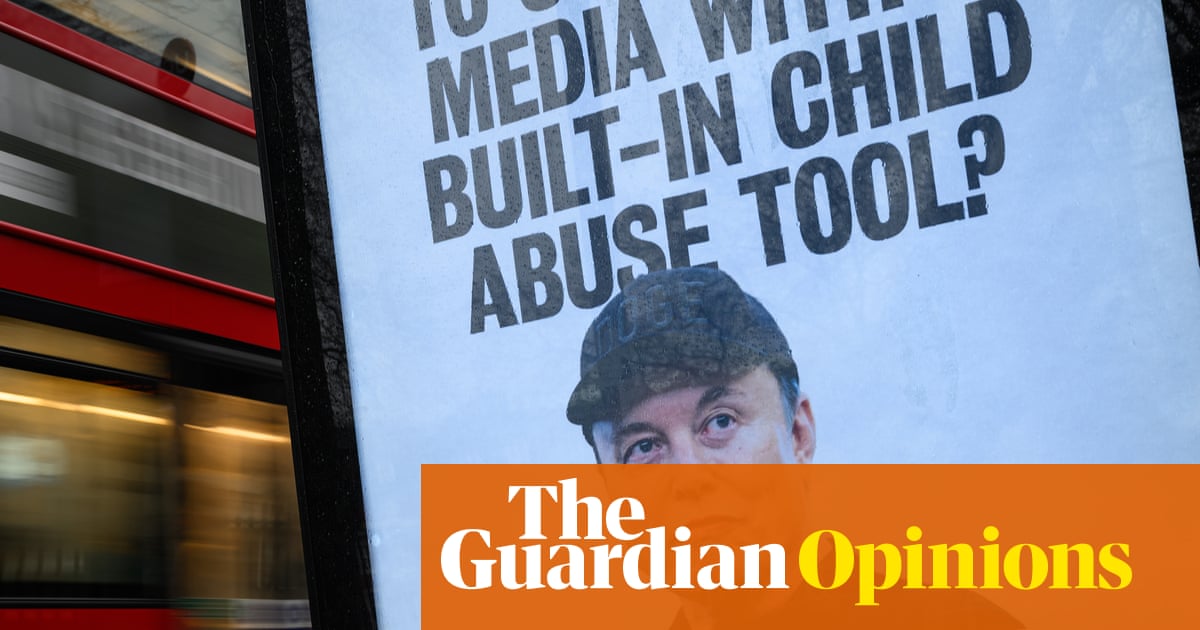
Ofcom found children’s exposure to harmful content had not fallen in the nine months after new duties under the UK Online Safety Act took effect.
The material included pornography, self-harm content, bullying, abuse and the promotion of violence.
Personalised feeds were the main way children encountered it, and the content shown differed between boys and girls.
Suicide and self-harm material was more commonly seen by girls and children with special educational needs or disabilities.
The law was introduced to protect children online, but Meta, TikTok and X are challenging Ofcom in court.
A ban on social media accounts for under-16s is due in spring 2027, and ministers are considering requiring photo ID for teenagers to access sites.
The editorial argues that Ofcom and ministers need to enforce the rules more firmly to make online safety protections effective.

Ofcom found that children continued to encounter harmful online content regularly in the nine months after new safety duties took effect.
The material included pornography, self-harm content, bullying, abuse and promotion of violence.
Personalised feeds were the main way children encountered the content, and the material shown differed between boys and girls.
Suicide and self-harm content was more commonly seen by girls and children with special educational needs or disabilities.
The Guardian editorial said the findings showed that protecting children from online harms had barely begun.
- Who
- Children in the UK, and Ofcom, the media regulator.
- What
- Ofcom found children still regularly encountered harmful online content after new safety duties took effect.
- When
- In the nine months after the new safety duties came into force; the report was published the week before 29 October 2026.
- Where
- Online. The article discusses the UK’s Online Safety Act.
- Why
- The article says personalised feeds were the main way the content was presented. It does not state why children continued to encounter it.
This story does not have two clearly opposing sides.
A 14-year-old girl took her own life; a coroner later said suicide imagery she viewed on TikTok may have played a significant part.
The Norfolk coroner made the ruling about the girl’s death.
Children continued to encounter harmful online content regularly.
Ofcom released its report on children’s exposure to harmful online content.
- Regulator
- Ofcom
- Safety law
- Online Safety Act
- Exposure period
- Nine months after new safety duties took effect
- Main way content was presented
- Personalised feeds
- More commonly exposed groups
- Girls and children with special educational needs or disabilities
- Planned under-16 account ban
- Due to come into force in spring 2027
What people are saying
may have played a significant part