

Business · Energy & Commodities · 12 hrs ago
Gas shortages threaten efficiency at Indonesian fertilizer plants
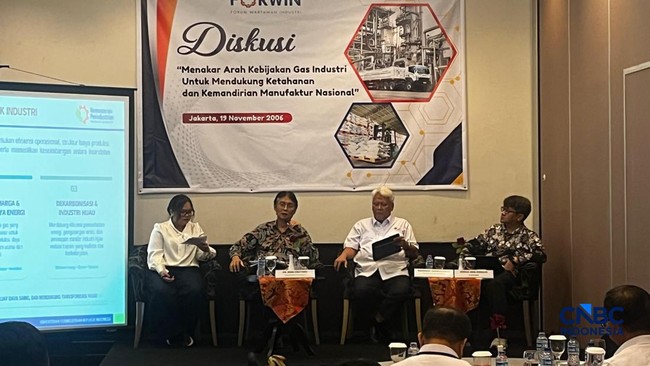
Indonesian fertilizer companies say gas supplies are unreliable even when they have allocations under a government pricing policy.
Natural gas is a key ingredient in ammonia, which is used to make nitrogen fertilizers such as urea, and local plants are designed to use specific amounts of gas.
When plants get less gas than they need, energy use and costs can rise, making their products less competitive.
Nugroho Christijanto, head of the Indonesian Fertilizer Producers Association, said companies in Aceh and East Java face supply problems.
He said the domestic gas obligation must include delivery to factories, supported by infrastructure such as pipelines and processing facilities.
The industry says it can meet subsidized fertilizer needs, with members reporting capacity of nearly 14 million tonnes and saying they met demand of up to 9.5 million tonnes in 2025.
Reliable gas matters because higher fertilizer costs or shortages could affect farmers, agricultural production and food security; no further policy steps were specified.

Indonesian fertilizer companies are facing gas supply shortages despite receiving allocations under the government’s gas pricing policy.
The shortfalls are making it harder for plants, including in Aceh and East Java, to maintain production efficiency.
When gas supplies fall below plants’ technical minimum needs, energy use and production costs can rise, affecting product competitiveness.
The Indonesian Fertilizer Producers Association says domestic gas obligations must ensure that allocated gas can actually reach end users.
The association says its members met all demand for subsidized fertilizer in 2025.
- Who
- Indonesian fertilizer companies, including association members in Aceh and East Java.
- What
- Gas supply shortfalls are putting pressure on plant efficiency and may raise production costs.
- When
- The issue was discussed on 19 November 2026.
- Where
- Indonesia, including fertilizer plants in Aceh and East Java.
- Why
- Gas supplies have not always met plants’ allocated or technical needs, and infrastructure can limit delivery to factories.
This story does not have two clearly opposing sides.
Association members met all demand for subsidized fertilizer, according to Nugroho Christijanto.
Nugroho described gas supply problems at a discussion hosted by Forwin.
- Gas allocation
- Fertilizer companies receive allocations under the Certain Natural Gas Price policy.
- Affected areas
- Aceh and East Java
- Installed capacity
- Nearly 14 million tonnes across fertilizer types
- Urea production
- About 7.5 million tonnes
- NPK production
- About 5.5 million tonnes
What people are saying
If that is not fulfilled according to the allocation, the first thing to feel the pressure is efficiency.
When that is not fulfilled, energy consumption will increase. Efficiency is at stake.
The domestic market obligation must mean that gas allocated for domestic use can also be delivered properly to its end users.
If fertilizer is unavailable and unaffordable, the products of the agricultural industry will also become more expensive.