

Health · Medical Research · 2 hrs ago
Doctor explains how air pollution may affect gut health
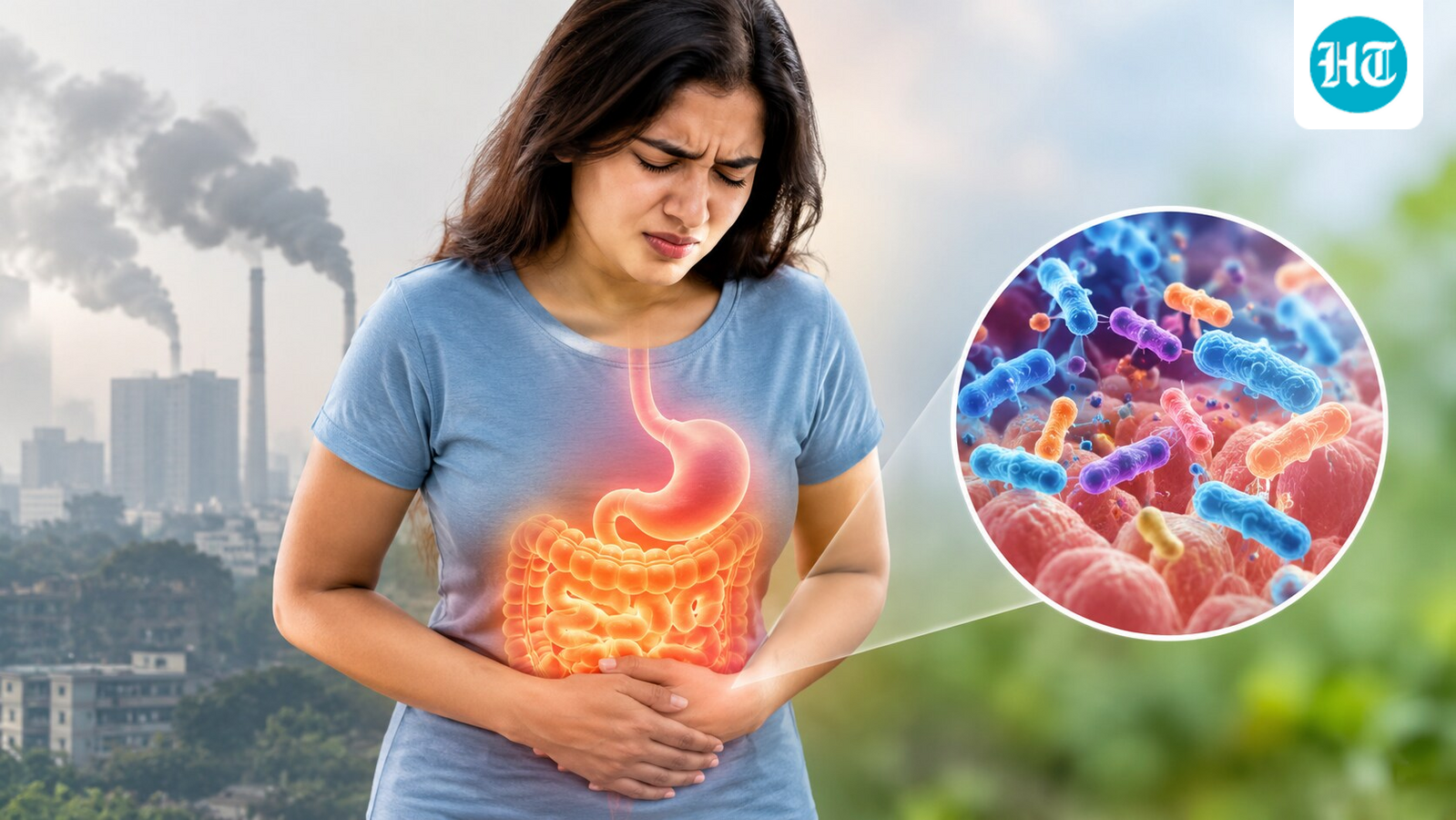
Air pollution may affect gut health, not just the lungs, according to Dr Abhishek Deepak, a digestive health specialist at ShardaCare in India.
PM2.5 may trigger inflammation and oxidative stress; some particles can enter the bloodstream or be swallowed after being cleared from the airways.
This exposure may disturb the balance of gut bacteria, which helps support digestion and immunity.
Some people may experience bloating, bowel changes or abdominal discomfort, though the effects described are possible rather than certain.
The lungs and gut are linked through immune and inflammatory pathways, a connection known as the gut-lung axis.
Reducing exposure during high pollution can help: check air quality, limit time outdoors when levels are high and avoid exercising near busy roads.
A fibre-rich balanced diet, enough water and regular meal times can also support digestive function.

Dr Abhishek Deepak says air pollution may affect gut health as well as the lungs.
He explains that PM2.5 can trigger inflammation and oxidative stress, and some pollutants may reach the digestive system.
Pollutants may disturb the balance of gut microbes, potentially affecting digestion.
Some people may experience bloating, changes in bowel habits or abdominal discomfort.
Deepak recommends reducing exposure to pollution and supporting gut health with a balanced, fibre-rich diet.
- Who
- Dr Abhishek Deepak, Director – hepatologist and therapeutic endoscopist at the Institute of Gastro Sciences, ShardaCare, Healthcity.
- What
- He explains how air pollution may affect the gut microbiome and digestive health.
- When
- Not stated.
- Where
- Not stated.
- Why
- Pollutants may trigger inflammation and oxidative stress, and may reach the digestive system through the bloodstream or after being swallowed.
This story does not have two clearly opposing sides.
This story does not have a timeline yet.
- Pollutant
- PM2.5
- Possible symptoms
- Bloating, changes in bowel habits and abdominal discomfort
- Gut-lung link
- The gut-lung axis involves immune responses, inflammatory pathways and interactions between microorganisms
- Exposure advice
- Track the Air Quality Index and limit prolonged outdoor activity when pollution levels are high
- Diet advice
- Eat a balanced diet rich in fibre from fruits, vegetables, whole grains and pulses
What people are saying
When we inhale polluted air, tiny particulate matter such as PM2.5 can trigger inflammatory responses and oxidative stress in the body.
Exposure to environmental pollutants can disturb the balance of beneficial and harmful microorganisms in the gut, affecting normal digestive function.