

Business · Energy & Commodities · 2 hrs ago
Castilla-La Mancha shifts from bulk wine to export-focused offerings
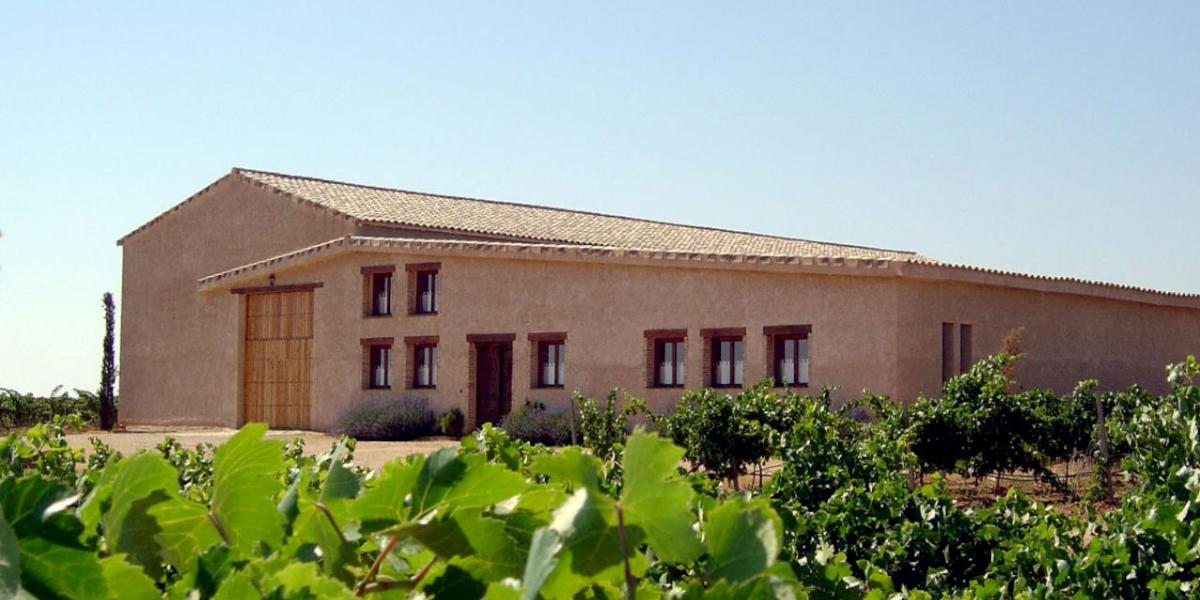
Castilla-La Mancha is moving beyond bulk wine towards bottles designed to stand out in export markets.
The region in central Spain includes Toledo, Ciudad Real, Cuenca, Albacete and Guadalajara.
Its 428,778 hectares of vineyards make it the world’s largest vineyard area.
In the 2025–26 campaign, it made about 15.8 million hectolitres, or roughly 56% of Spain’s wine.
Producers are using regional grape varieties and individual vineyard sites to give their wines a clearer identity.
The region has several wine designations, including La Mancha, Manchuela and Almansa, as well as a broader label that allows more flexibility in grape varieties and styles.
The shift matters because it aims to help wines from a region known for high-volume production gain distinction and appeal to export markets.

Castilla-La Mancha is shifting from producing wine in volume toward offerings aimed at export markets.
The region produced about 15.8 million hectolitres of wine in the 2025–2026 campaign, around 56% of Spain’s total.
It has 428,778 hectares of vineyards across five provinces in central Spain.
Sommelier Fernando Sandoval presented regional projects seeking to stand out through grape varieties, specific vineyards and new interpretations of the territory.
The region includes several designations of origin and a geographical indication that allows a wide range of varieties and styles.
- Who
- Castilla-La Mancha’s wine sector.
- What
- The region is moving from high-volume wine production toward differentiated offerings aimed at export.
- When
- The article was published on November 3, 2026; the production figures refer to the 2025–2026 campaign.
- Where
- Castilla-La Mancha, Spain, across Toledo, Ciudad Real, Cuenca, Albacete and Guadalajara.
- Why
- Producers are seeking to differentiate themselves through grape varieties, specific vineyards and new interpretations of the territory.
This story does not have two clearly opposing sides.
DO Campo de Calatrava was recognized as one of the region’s designations of origin.
Castilla-La Mancha produced approximately 15.8 million hectolitres of wine.
El Economista MX published an article about the region’s shift toward export-focused offerings.
- Vineyard area
- 428,778 hectares
- Wine production
- Approximately 15.8 million hectolitres in the 2025–2026 campaign
- Share of Spanish production
- Around 56%
- Provinces
- Toledo, Ciudad Real, Cuenca, Albacete and Guadalajara
- Representative white grape
- Airén
- Regional designation
- IGP Vino de la Tierra de Castilla