

Health · Medical Research · 59 mins ago
Study Links Uterine Bacteria to Assisted Fertility Treatment Outcomes
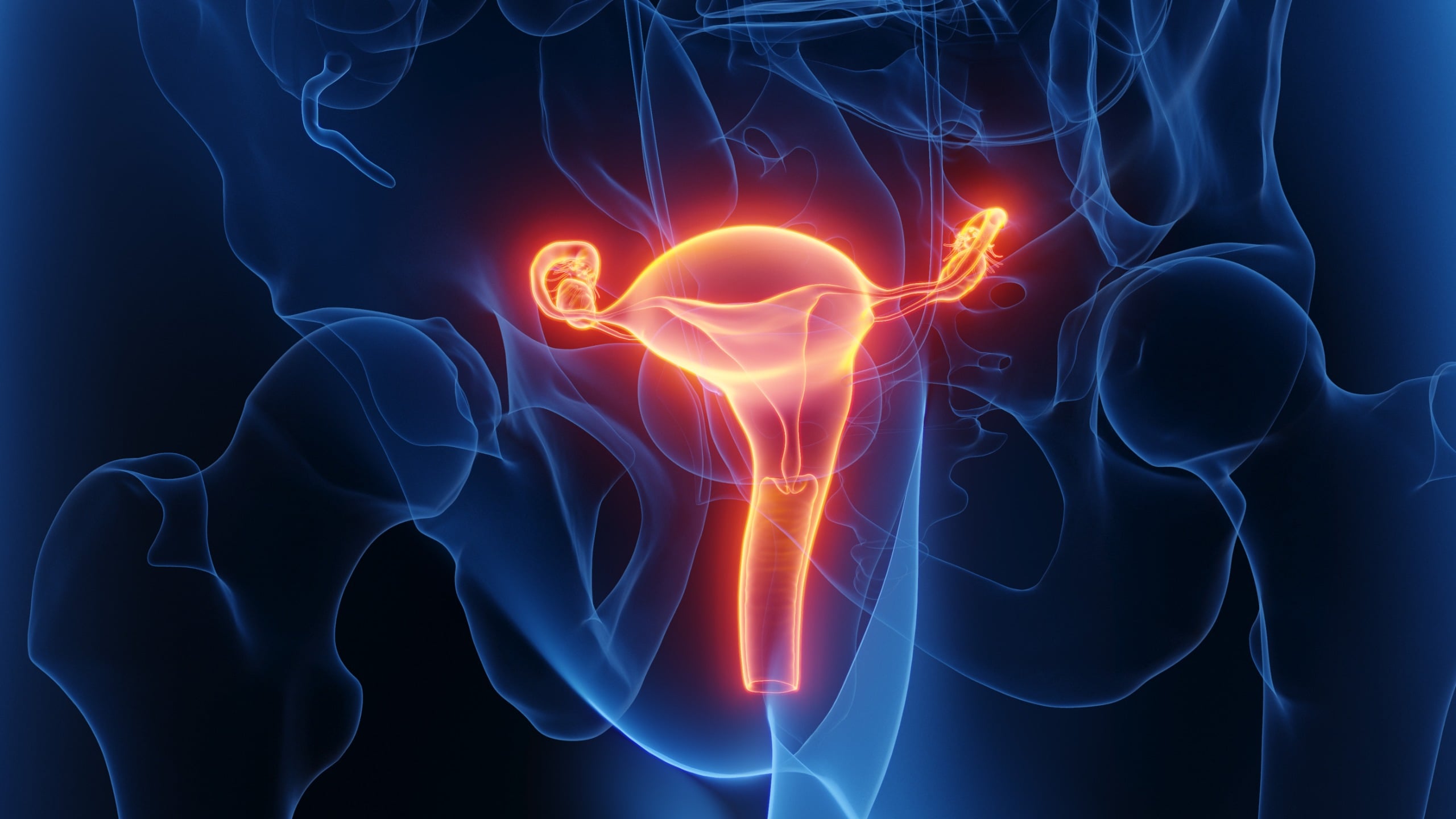
Researchers in Ireland studied uterine samples from 29 women with unexplained infertility before assisted reproductive treatment, such as IVF.
Women whose treatment did not lead to pregnancy had more varied bacterial profiles and fewer signs of Lactobacillus bacteria than women who became pregnant.
The finding adds to research suggesting that bacteria in the uterine lining may be linked to fertility treatment outcomes.
But the study detected bacterial DNA rather than growing living bacteria, so it cannot confirm that the microbes were living in the uterus.
Contamination from vaginal bacteria remains a possible explanation, and experts have not agreed that the uterus has its own stable microbiome.
The researchers say larger studies are needed, and that bacterial patterns and inflammation may be worth considering when assessing fertility.

A study of 29 women with unexplained infertility found that uterine bacterial profiles were associated with outcomes from assisted reproductive treatment.
Women who did not become pregnant after treatment had more diverse bacterial profiles and fewer signs of Lactobacillus.
Researchers from Trinity College Dublin analyzed endometrial samples collected before treatment.
The study used bacterial DNA sequencing and did not culture living bacteria from the samples.
The existence of a stable uterine microbiome remains unproven, and experts have raised concerns about contamination.
- Who
- Researchers from Trinity College Dublin studied 29 women with unexplained infertility.
- What
- The study found an association between uterine bacterial profiles and assisted reproductive treatment outcomes.
- When
- Published on November 17, 2026.
- Where
- Trinity College Dublin, Ireland; samples came from the women’s uterine lining.
- Why
- To investigate whether bacteria in the uterine lining may be linked to fertility treatment outcomes.
Researchers linking uterine bacteria to fertility
Skeptics of a resident uterine microbiome
Evidence
Researchers linking uterine bacteria to fertility
Researchers say the findings add evidence that uterine bacterial profiles may be associated with assisted fertility treatment outcomes.
Skeptics of a resident uterine microbiome
Skeptics question whether the uterus has a stable microbiome.
Sample concerns
Researchers linking uterine bacteria to fertility
Researchers analyzed bacterial DNA in endometrial samples.
Skeptics of a resident uterine microbiome
Skeptics argue that contamination may not have been adequately accounted for.
The uterus was thought to be a fairly sterile environment.
Researchers collected endometrial tissue samples from the women.
The study was reported as published in Human Reproduction.
- Study participants
- 29 women with unexplained infertility
- Research institution
- Trinity College Dublin, Ireland
- Sample type
- Endometrial tissue
- Analysis method
- Bacterial DNA sequencing
- Treatment
- Assisted reproductive technologies, including IVF
What people are saying
While the research was conducted in a relatively small patient cohort and further studies are needed, the results highlight the potential importance of considering both the endometrial microbiome and inflammation when evaluating fertility