

Health · Medical Research · 9 hrs ago
Study Finds Common ADHD Classroom Accommodations Did Not Improve Outcomes
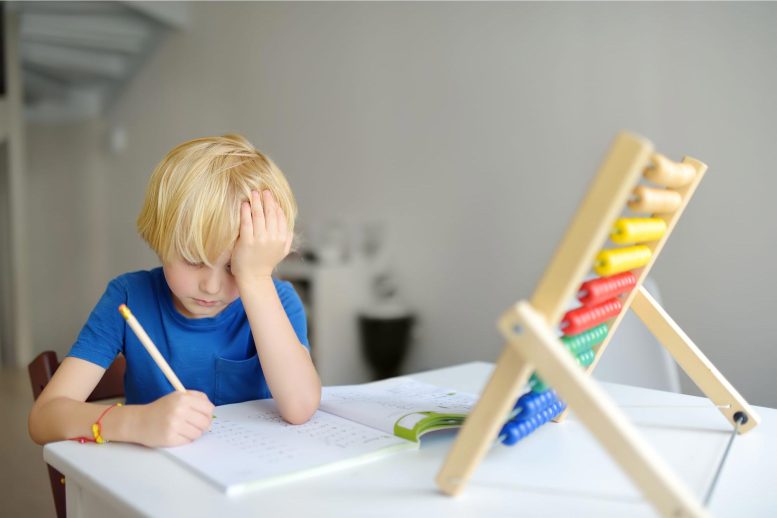
A Florida International University trial tested four classroom adjustments for children with ADHD: extra assignment time, frequent breaks, standing desks and quieter work areas.
The study included 255 children from kindergarten through sixth grade, and 235 completed it.
The adjustments did not significantly improve behavior or quiz scores, including when combined with behavioral interventions or medication.
Some accommodations were also linked with lower academic productivity.
By comparison, behavioral interventions cut classroom rule violations by 37%, while stimulant medication cut them by 61% and raised correctly completed assignments by 22% compared with a placebo.
Schools often include accommodations in Individualized Education Programs and Section 504 plans, so the findings raise questions about relying on them alone.
Researchers recommend evidence-based behavioral strategies, such as clear expectations, regular feedback and rewards for meeting individual goals, while noting that specific adjustments may still help some children.

A study of 255 children with ADHD found that four common classroom accommodations did not significantly improve behavior or quiz scores.
The accommodations tested were extra time, frequent breaks, standing while working and a low-distraction work area.
Behavioral interventions reduced classroom rule violations by 37%, while stimulant medication reduced them by 61% compared with a placebo.
The study was conducted by researchers at Florida International University through its Summer Treatment Program and published in JAMA Pediatrics.
The researchers said the findings do not mean accommodations are never useful for individual students.
- Who
- Researchers at Florida International University studied 255 children with ADHD.
- What
- The study found that four common classroom accommodations did not significantly improve behavior or quiz scores.
- When
- The children entered the study between 2022 and 2025. The study was published on November 21, 2026.
- Where
- The research took place through FIU’s Summer Treatment Program.
- Why
- Researchers tested whether common classroom accommodations improved children’s behavior and academic performance.
This story does not have two clearly opposing sides.
Children entered the study at FIU’s Summer Treatment Program.
Researchers tested four classroom accommodations and measured behavior, academic productivity and quiz scores under different treatment conditions.
The study was published in JAMA Pediatrics.
- Participants
- 255 children with ADHD, from kindergarten through sixth grade
- Completed study
- 235 children
- Accommodations tested
- Extended time, frequent breaks, standing while working and a low-distraction environment
- Behavioral interventions
- 37% fewer classroom rule violations than in a general classroom setting
- Stimulant medication
- 61% fewer classroom rule violations and 22% more correctly completed assignments than with a placebo
What people are saying
We were surprised that none of the accommodations we tested had a significant effect, even when combined with behavioral interventions or medication.
These approaches fail to build skills or address motivation.