

Science & Tech · Science & Environment · 15 hrs ago
BAE Systems develops passive radar that uses TV and radio signals
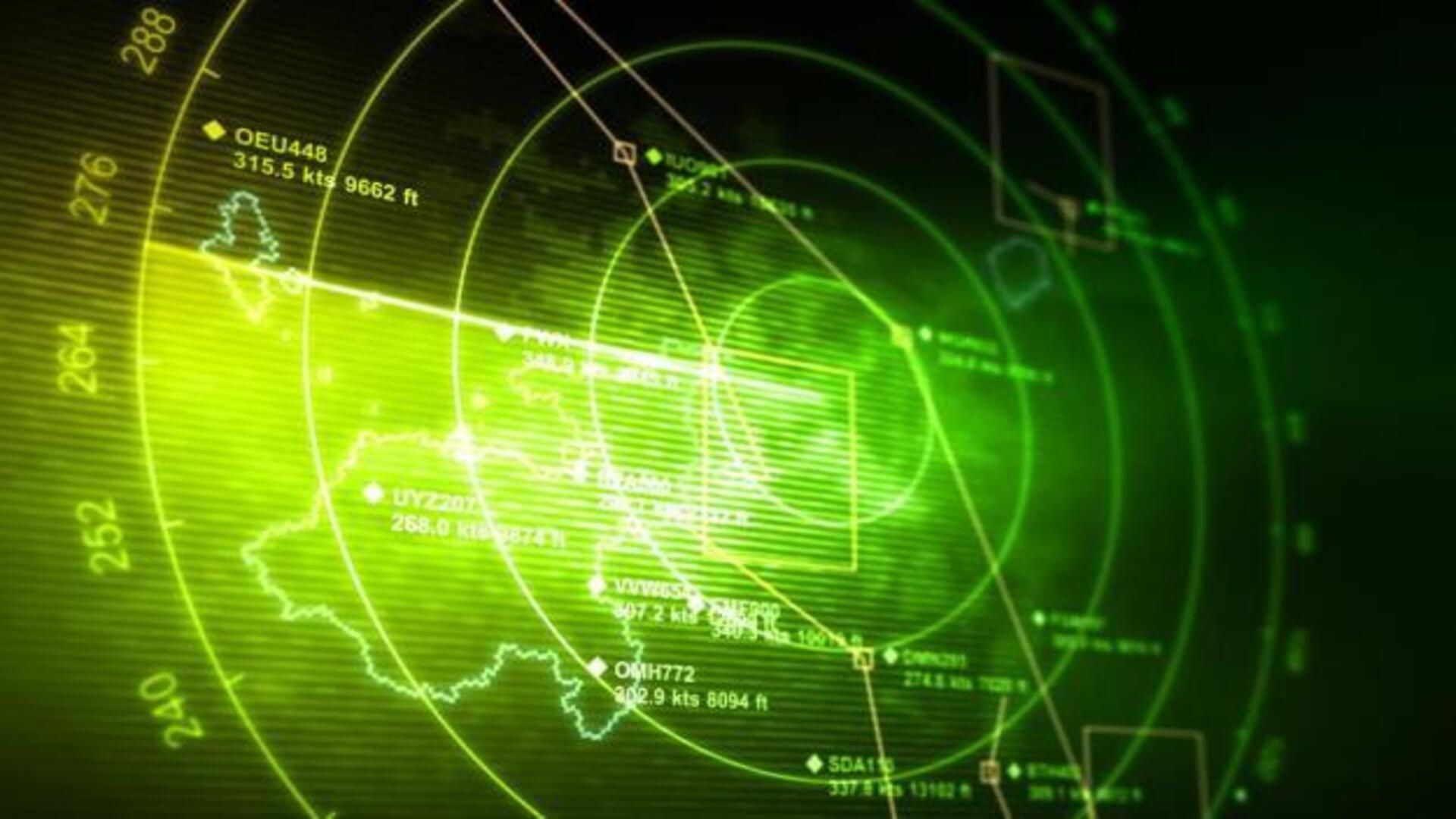
BAE Systems has developed a radar that tracks aircraft and drones without sending out its own signals.
The British defense contractor says the system uses existing television, radio and mobile network transmissions to detect objects in the air.
Conventional radar sends out signals and measures their reflections, which can make its position detectable to adversaries.
The new system is designed to provide a less detectable way to monitor airspace.
BAE says it can show an object's distance, height, direction and speed, and claims it costs up to ten times less than competing passive radar products.
The company says the equipment can fit inside sport utility vehicles and could be used by military and civilian security teams near sensitive sites.
Operational trials are planned throughout 2027 with organizations involved in law enforcement, defense and infrastructure protection; BAE has not disclosed detection ranges or detailed performance measurements.

BAE Systems has developed passive radar that tracks aircraft and drones using existing TV, radio and mobile-network signals.
The system does not transmit its own signals, which could make it harder for adversaries to detect its location.
It can provide a three-dimensional view showing an object's distance, altitude, direction and speed.
BAE says the technology costs up to ten times less than several competing passive radar products.
The company plans operational trials in 2027 with organizations involved in law enforcement, military defense and critical infrastructure protection.
- Who
- BAE Systems developed the radar technology.
- What
- It uses existing broadcasts and mobile-network signals to detect and track airborne objects without transmitting its own signals.
- When
- BAE Systems has developed the technology and plans trials throughout 2027.
- Where
- Not stated.
- Why
- It is intended to monitor airspace without exposing the system through its own transmissions, and could support military and civilian security.
This story does not have two clearly opposing sides.
BAE Systems developed the passive radar technology.
BAE Systems plans operational trials with organizations in law enforcement, military defense and critical infrastructure protection.
- Signal sources
- Digital television broadcasts, radio stations and mobile networks
- System emissions
- It does not transmit its own signals
- Cost claim
- Up to ten times less than several competing passive radar products
- Vehicle installation
- Compact enough to fit inside sport utility vehicles
- Planned trials
- Throughout 2027
What people are saying
We’re harnessing the signals that all of us use already in our day to day lives to give police and armed forces the ability to protect us far more cheaply and safely
While people are sat at home watching TV, our new radar technology can use transmissions from TV and radio broadcasts without disturbance.