

Business · Energy & Commodities · 2 hrs ago
Oil Prices Rise Despite Higher Middle East Export Flows
Oil prices have risen even as Middle East exports recovered in October.
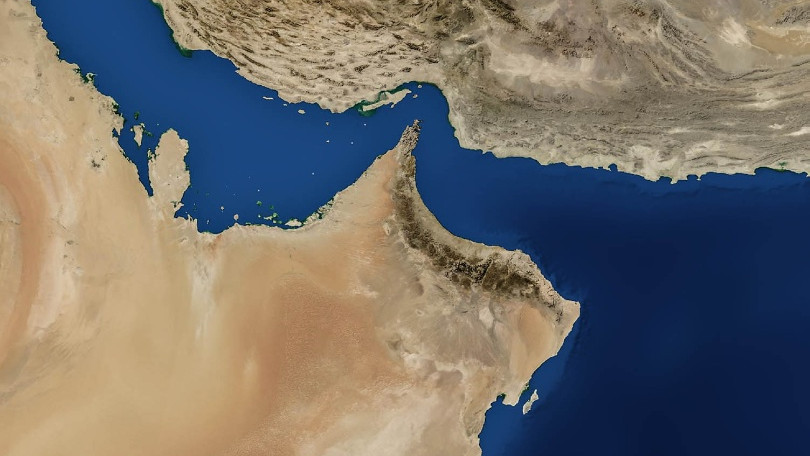
The region’s oil shipments are moving through the Strait of Hormuz and the Red Sea, key routes for global supplies.
Tankers face growing risks in the Strait of Hormuz, where at least 25 ships were hit in the first 20 days of October, according to maritime data and Iranian statements.
Estimates of oil flows vary: one figure put Hormuz traffic at 11.7 million barrels a day this month, while another reported a recent daily average of 8.5 million barrels from the Persian Gulf.
Attacks and conflicting flow figures leave supply uncertain, even when monthly exports appear to be recovering.
Many shipments rely on transfers between ships, which have pushed freight costs to record highs and added pressure to transport capacity.
A possible easing of US sanctions on some tankers may not quickly add usable ships, and a US-Iran peace deal remains unlikely; the sources give no further next step.

Oil prices have risen despite Middle East oil exports recovering, according to OilPrice.
Kpler estimated that October exports from the Middle East were higher than before the first U.S. and Israeli strikes on Iran.
Tankers have faced continued attacks, while reported oil flows through the Strait of Hormuz have varied sharply.
Ship-to-ship transfers and limited tanker availability have added pressure to shipping capacity and freight rates.
The article says uncertainty about regional supply and the prospect of a U.S.-Iran peace deal is remote.
- Who
- Oil producers and oil markets are affected by changes in Middle East exports and tanker traffic.
- What
- Oil prices have risen despite higher reported Middle East export flows.
- When
- October 2026; the article was published on October 25.
- Where
- The Persian Gulf, the Strait of Hormuz and the Red Sea.
- Why
- Tanker attacks, uncertain export flows and limited shipping capacity have raised concerns about reliable oil supply.
This story does not have two clearly opposing sides.
The United States and Israel launched their first strikes on Iran.
Kpler analysts counted seven commodity carriers traversing the Strait of Hormuz, the lowest figure since late July.
At least 25 ships were hit in Hormuz, according to UK Maritime Trade Operations data and statements by Iran’s Islamic Revolutionary Guard Corps.
Kpler estimated that oil flows through the Strait of Hormuz averaged 11.7 million barrels daily, up from 9.8 million in September.
- October Hormuz flows
- 11.7 million barrels daily, Kpler estimate
- September Hormuz flows
- 9.8 million barrels daily, Kpler estimate
- Pre-war February Hormuz average
- 14.5 million barrels daily
- Ships hit in Hormuz
- At least 25 in the first 20 days of October
- Oil flows reported earlier this week
- 8.5 million barrels daily from the Persian Gulf, according to Kpler
What people are saying
Sanctions relief does not equal immediately usable mainstream tanker capacity
Crude crossing the strait fell 27% from a wartime high the week before, to at least 10.1 million barrels a day