

Business · Economy · 4 hrs ago
India's extreme poverty fell to 2.6% from 27.1% between 2011 and 2023
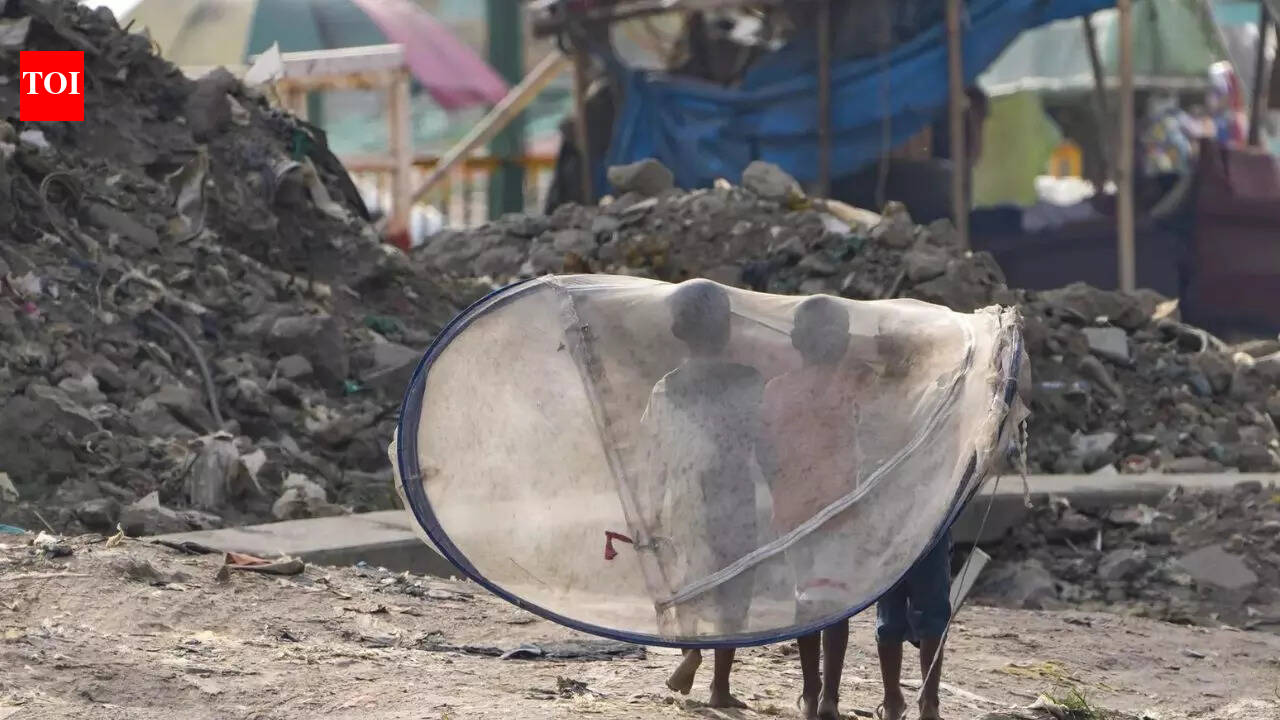
A World Bank brief says India’s extreme poverty rate fell to 2.6% in 2023 from 27.1% in 2011, using a threshold of $3 a day.
Over the same period, the share living on less than $4.20 a day dropped from 57.7% to 16.1%, and 496 million people moved above that poverty line.
The brief links the gains to rising employment, consumption and social support, including food subsidies.
But poverty remains more common in rural areas: in 2023, 19.3% of rural residents were below the $4.20 line, compared with 8.6% of urban residents.
It also found that the top 10% of workers earned about 13 times the median earnings of the bottom 10% in 2023.
Employment grew by about 134 million people between 2017 and 2023, but real earnings stayed broadly unchanged, with many new jobs in low-productivity work.
The World Bank expects poverty at the $4.20 line to fall from 14.2% in 2026 to 12.1% by 2028, more slowly than before.

India’s extreme poverty rate fell from 27.1% in 2011 to 2.6% in 2023, according to the World Bank.
The share of people below the $4.20-a-day poverty line dropped from 57.7% to 16.1%, and an estimated 496 million people moved above that line.
The report said poverty reduction was driven mainly by consumption growth, rising employment, especially among women, and expanded social transfers.
Poverty remained higher in rural areas, and states from Uttar Pradesh to West Bengal accounted for about 57% of the country’s poor.
The World Bank also reported that median earnings among the top 10% of workers were about 13 times those of the bottom 10% in 2023.
- Who
- The World Bank reported the decline. It concerns people living in poverty in India.
- What
- Extreme poverty fell to 2.6% from 27.1% between 2011 and 2023.
- When
- Between 2011 and 2023. The report was published in October 2026.
- Where
- India.
- Why
- The report attributed progress mainly to strong consumption growth, rising employment, especially among women, and expanded social transfers.
This story does not have two clearly opposing sides.
The share of India’s population below the $4.20-a-day poverty line was 57.7%, and extreme poverty was 27.1%.
Employment in India increased by about 134 million people.
The share below the $4.20-a-day line was 16.1%, and extreme poverty was 2.6%.
The World Bank’s Poverty & Equity Brief reported the poverty figures and noted the earnings gap between the top and bottom 10% of workers.
- Extreme poverty
- 2.6% in 2023, down from 27.1% in 2011
- $4.20-a-day poverty line
- 16.1% in 2023, down from 57.7% in 2011
- People moving above poverty line
- 496 million between 2011 and 2023
- Rural and urban poverty
- 19.3% rural; 8.6% urban in 2023
- Geographic concentration
- Uttar Pradesh-to-West Bengal belt accounted for about 57% of India’s poor
- Earnings gap
- Top 10% earned a median income about 13 times that of the bottom 10% in 2023
3 sources
What people are saying
Poverty is projected to continue declining, albeit more gradually, with the poverty rate at the $4.20/day line expected to fall from 14.2% in 2026 to 12.1% by 2028.
This progress was mainly driven by strong consumption growth, rising employment, especially among women, and expanded social transfers, including food subsidies.
Median earnings among the top 10% of workers were about 13 times those of the bottom 10% in 2023
We remain committed to building on this progress through productive employment, stronger household incomes and effective delivery of public services, so that aspirations of our people are met.