

Health · Medical Research · 2 hrs ago
Small Parkinson's study links psilocybin to lower inflammation
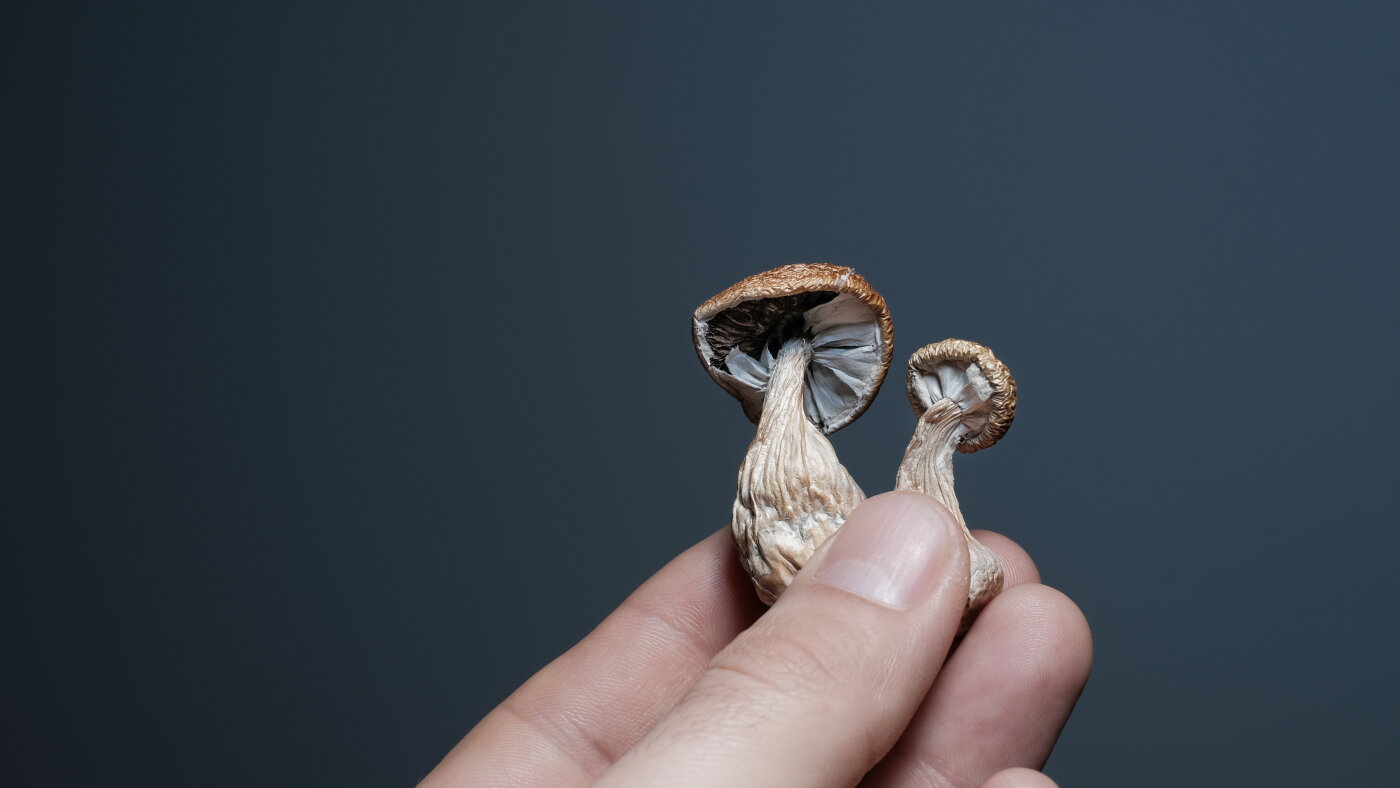
Researchers at the University of California, San Francisco, studied psilocybin in 12 people with Parkinson's disease.
Participants had two treatment sessions as part of a small pilot study.
Blood tests showed lower levels of several inflammation markers after treatment, and those changes were still present a month after the final session.
A marker of mitochondrial stress, linked to how cells produce energy, also improved soon after treatment, but not at longer follow-up.
Parkinson's involves inflammation and problems with mitochondria, so these changes may help explain why participants appeared to benefit during the trial.
The study had no control group, and participants knew they were receiving psilocybin, so the findings cannot show that the drug caused the changes.
Researchers say follow-up studies are needed to confirm the results before drawing firm conclusions.

A small study of 12 people with Parkinson’s disease found lower inflammation markers after two sessions of psilocybin.
The changes in inflammation markers persisted a month after the participants’ final dose.
A marker of mitochondrial stress improved immediately after treatment but not at longer-term follow-up.
The study had no control group, and participants knew they were receiving psilocybin.
Researchers said the results are an initial signal that needs confirmation in further studies.
- Who
- Researchers at the University of California, San Francisco, studied 12 people with Parkinson’s disease.
- What
- They measured inflammation and mitochondrial stress markers before and after two psilocybin sessions.
- When
- The findings were published Wednesday, October 21, 2026.
- Where
- The study was conducted by a team at the University of California, San Francisco.
- Why
- The pilot study evaluated the feasibility and safety of giving psilocybin to people with Parkinson’s disease and investigated biological changes.
This story does not have two clearly opposing sides.
Researchers measured participants’ inflammation markers and a marker of mitochondrial stress.
Inflammation markers were lower than at baseline, and the mitochondrial stress marker improved.
The lower inflammation markers persisted, but the mitochondrial stress improvement was not seen at longer-term follow-up.
- Participants
- 12 people with Parkinson’s disease
- Treatment
- Two psilocybin sessions
- Inflammation
- Five signaling molecules involved in inflammation were measured
- Follow-up
- Inflammation changes persisted a month after the final dose
- Study limits
- No control group; participants knew they were receiving psilocybin
2 sources
What people are saying
This gives us an initial biological signal to investigate
objective markers
It's a potential jumping off point for a lot more research in this area