

Business · Trade · 2 hrs ago
Indonesia Cuts Import Duties to Zero on Six Plastic Raw Materials
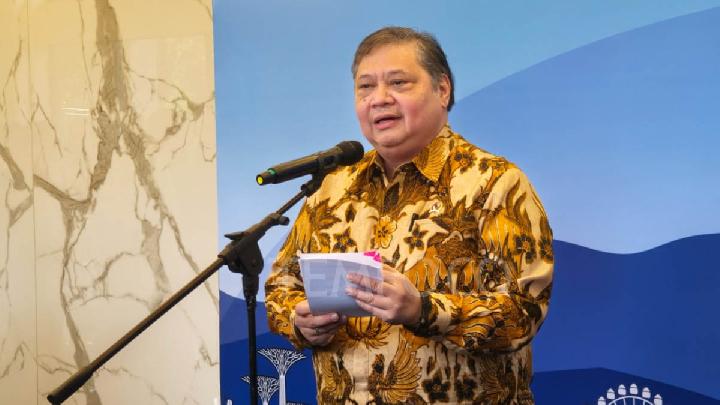
Indonesia has set import duties at zero for six tariff lines covering polyethylene and polypropylene, two plastic raw materials.
The measure, set out in a finance ministry regulation issued in October 2026, will last six months.
It aims to ease pressure on domestic manufacturers as international prices rise: polypropylene was about 43% higher than a year earlier, and polyethylene about 28% higher, based on October 13 data.
The price increases could raise production costs and disrupt supply chains for industries that use plastic.
The government says the tariff relief is intended to help businesses control costs and keep operating.
Some downstream businesses may not benefit fully, because the covered materials are mostly liquid while manufacturers of packaging, household goods and farm products need pellets.
The government will monitor and evaluate the policy, including whether it reaches the industries it is meant to help, and says it will consider feedback from businesses as it reviews the measure.

Indonesia has set import duties at zero for six plastic raw-material tariff lines for six months.
The measure is set out in Finance Minister Regulation No. 68 of 2026, promulgated on October 2 and effective from October 9.
Coordinating Minister for Economic Affairs Airlangga Hartarto said the measure followed President Prabowo Subianto’s directive to support national industry.
International prices for polypropylene and polyethylene were up 42.79% and 27.87%, respectively, compared with the same period a year earlier.
The government says it will monitor the policy and assess whether the relief reaches industries that use plastic materials.
- Who
- Indonesia’s government, represented by Coordinating Minister for Economic Affairs Airlangga Hartarto.
- What
- It set import duties at zero for six plastic raw-material tariff lines for six months.
- When
- The regulation was promulgated on October 2, 2026, and took effect on October 9.
- Where
- Indonesia.
- Why
- To meet industrial raw-material needs and support domestic industry amid rising global prices and supply-chain risks.
This story does not have two clearly opposing sides.
The measure was discussed and agreed at a ministerial coordination meeting.
Finance Minister Regulation No. 68 of 2026 was promulgated.
The regulation took effect.
International price data showed polypropylene prices up about 42.79% and polyethylene prices up 27.87% year on year.
Airlangga discussed the import-duty relief and the government’s plans to evaluate it.
- Regulation
- Finance Minister Regulation No. 68 of 2026
- Duration
- Six months
- Tariff lines
- 3901.10.12; 3901.10.19; 3901.10.99; 3902.10.30; 3902.10.90; 3902.30.30
- Polypropylene price change
- Up about 42.79% year on year as of October 13, 2026
- Polyethylene price change
- Up about 27.87% year on year as of October 13, 2026
2 sources
What people are saying
The main urgency is to meet the industrial raw material needs while considering domestic supply conditions and price developments in the international market,
The government is committed to continuing to maintain the sustainability and improve the competitiveness of national industry through policies that respond to the dynamics of the global market,
We will listen to input from various parties to ensure that the implementation of this policy is effective and that the benefits of the facility can be properly felt by user industries,
Packaging suppliers' factories cut production capacity by about 20 to 30 percent. The price of packaging increased variably by up to 100 percent to 150 percent,