

Business · Economy · 7 hrs ago
Inmetro’s digital seal adds an estimated R$824 million to monitored markets
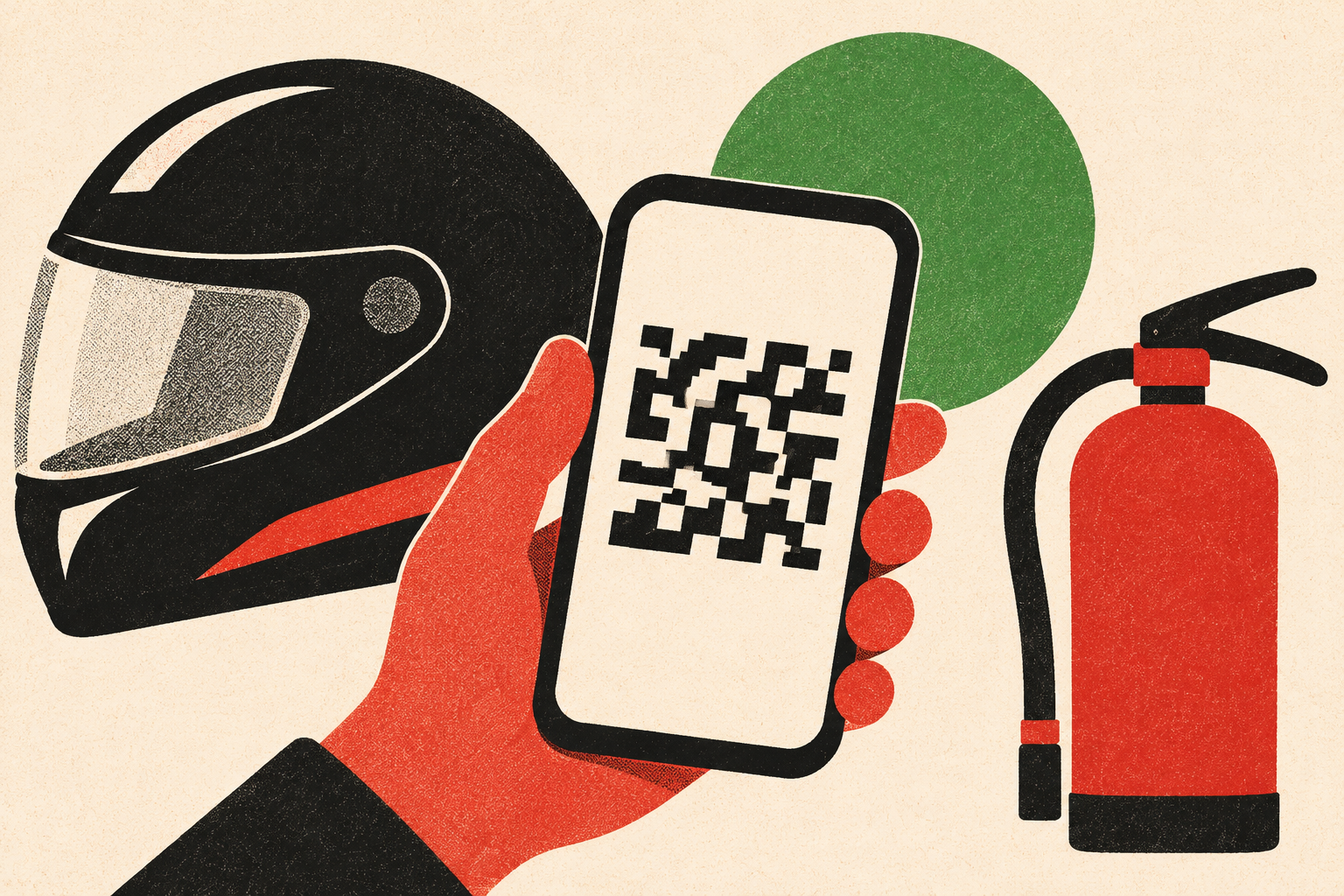
Brazil’s Inmetro digital program tracks regulated products and services using a system that includes QR codes.
From January to September 2026, conformity identifications in helmets, fire extinguishers and vehicle gas cylinders rose by about 14%.
The ABCF estimates the increase represents about R$824 million in expanded economic activity across those markets.
Identifications rose from a historical annual level of 35.3 million to about 40.1 million in 2026, an increase of roughly 4.8 million.
More products and services are now visible to the compliance system, which the ABCF says can help lawful businesses and make irregular activity harder.
The program’s records include 2,924 regulated operators, and 1,933 have requested the digital seal.
If coverage expands to all operators, annual identifications could reach about 60.7 million, up to 72% above the earlier level.
Consumers can scan a product’s QR code with the Inmetro app to check its authenticity.

A study by the Brazilian Association for Combating Counterfeiting estimates that Inmetro’s digital seal is associated with R$ 824 million in expanded economic activity across three monitored markets.
The estimate is based on a roughly 14% rise in compliance identifications for helmets, fire extinguishers and natural gas vehicle cylinders between January and September 2026.
Identifications increased from a pre-program historical reference of 35.3 million a year to about 40.1 million in 2026.
The study says annual identifications could reach about 60.7 million if coverage expands to all regulated economic operators.
The Inmetro na Palma da Mão program uses digital identification to expand traceability of regulated products and services.
- Who
- Inmetro and the Brazilian Association for Combating Counterfeiting (ABCF).
- What
- The program’s digital seal is linked to an estimated R$ 824 million expansion in monitored markets.
- When
- The rise in identifications was measured from January to September 2026.
- Where
- Brazil; the markets covered are helmets, fire extinguishers and natural gas vehicle cylinders.
- Why
- The program aims to digitize and expand traceability of regulated products and services.
This story does not have two clearly opposing sides.
The historical reference for annual compliance identifications in the three markets was 35.3 million.
Compliance identifications in the three sectors grew by about 14%.
Identifications reached about 40.1 million, around 4.8 million above the historical reference.
- Estimated expansion
- About R$ 824 million
- Annual identifications in 2026
- About 40.1 million
- Pre-program reference
- 35.3 million identifications a year
- Potential annual identifications
- About 60.7 million
- Registered economic operators
- 2,924, of whom 1,933 had requested the digital seal
- Helmet market estimate
- R$ 639 million a year
What people are saying
This movement, besides offering greater safety for the population, can also benefit companies that produce, sell and provide services within the rules, reducing the space for counterfeit products and irregular identifications