

Business · Energy & Commodities · 3 hrs ago
KEPCO bond debt could exceed legal limit by 19 trillion won
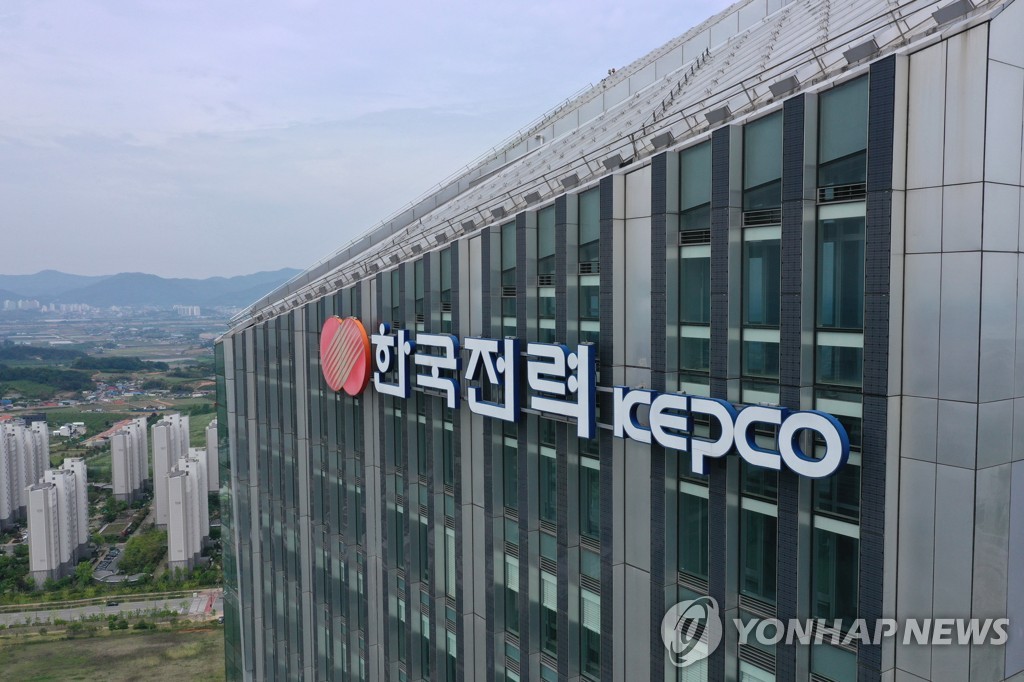
South Korea’s power utility KEPCO faces a sharp limit on borrowing when a temporary government exception ends at the close of 2027.
The exception allowed the state-run company to issue bonds worth up to five times its capital and reserves; from 2028, the limit is set to return to twice that amount.
KEPCO’s bonds are forecast to exceed the restored cap by 19.2 trillion won, with debt projected at 76 trillion won against a limit of about 56.8 trillion won.
The company has built up debt after years of electricity prices that did not fully cover its costs, while rising fuel prices could weaken profits and make the shortfall harder to address.
KEPCO’s president says a modest electricity price rise should be discussed after the exception expires.
The company also needs large sums to expand the power grid, with planned investment reaching 72.8 trillion won by 2038.
The funding gap could delay grid projects needed to serve growing demand from advanced industries and AI data centres; some analysts say extending the borrowing exception may be the most practical option, but no decision is stated.

KEPCO’s bond debt could exceed its legal limit by about 19.2 trillion won if a temporary borrowing allowance ends as scheduled at the end of 2027.
The allowance lets KEPCO issue bonds up to five times its capital and reserves, but the limit is due to return to twice that amount from 2028.
The company’s outstanding bonds stood at 71.5 trillion won in the first half of 2026.
KEPCO President Kim Dong-cheol said the company should discuss a minimum electricity rate increase after the end of 2027.
KEPCO’s financial strain could threaten investment in power grid infrastructure, which is planned to total 72.8 trillion won through 2038.
- Who
- Korea Electric Power Corp. (KEPCO), the state-run utility.
- What
- Its bond debt could exceed its legal issuance limit by about 19.2 trillion won if a temporary borrowing allowance expires.
- When
- The allowance is scheduled to end at the end of 2027, with the lower limit returning in 2028.
- Where
- South Korea.
- Why
- KEPCO’s bond debt has grown amid accumulated losses and electricity rates that have remained frozen for many households and businesses.
This story does not have two clearly opposing sides.
The government amended the KEPCO Act to temporarily raise the bond issuance limit to five times capital and reserves.
KEPCO’s outstanding bonds reached 71.5 trillion won.
KEPCO President Kim Dong-cheol told a parliamentary audit that the government should discuss a minimum electricity rate increase.
The temporary borrowing allowance is scheduled to expire.
The bond issuance limit is scheduled to return to twice capital and reserves.
- Projected excess
- 19.2 trillion won above the legal limit
- Projected bond balance at end of 2027
- 76.0489 trillion won
- Projected capital and reserves at end of 2027
- 28.4177 trillion won
- Legal limit from 2028
- Twice capital and reserves
- Planned grid investment through 2038
- 72.8 trillion won
1 source
What people are saying
After the end of next year, a minimum electricity rate increase will be necessary
Since the basic investment needed for the power grid is continuing to increase sharply, I think we need to discuss a minimum electricity rate increase with the government
At present, postponing the normalization of the bond issuance limit is the realistic option