

Health · Medical Research · 27 mins ago
Low testosterone linked to higher cancer death risk in 26,000 men
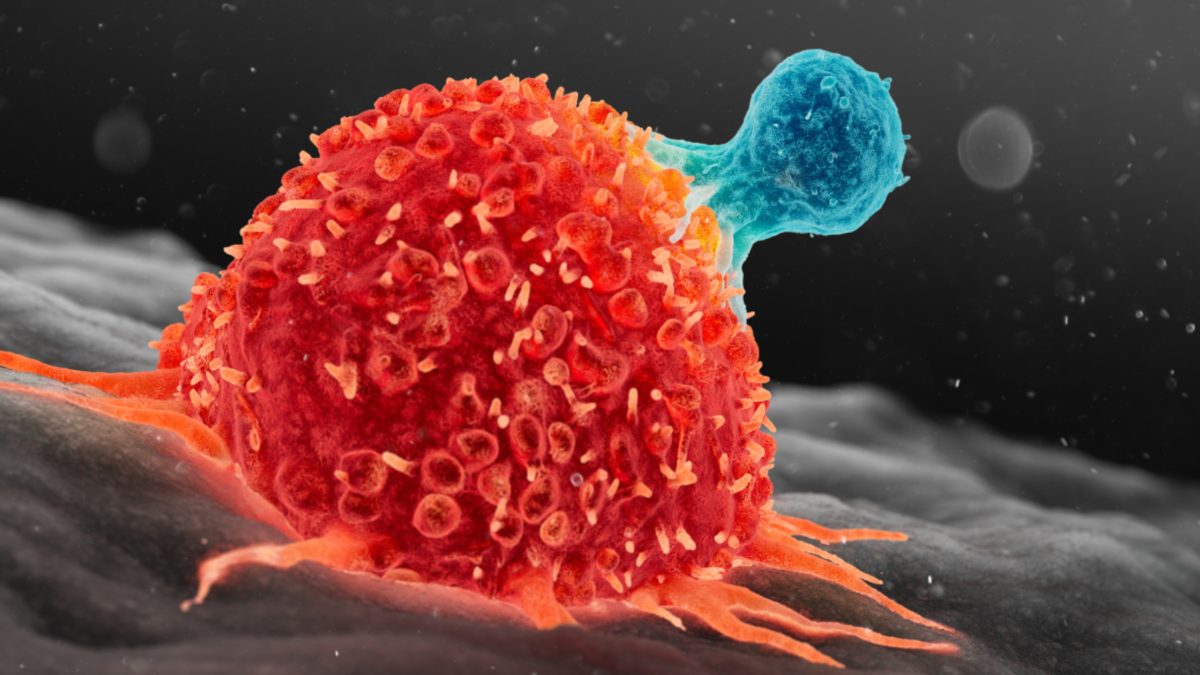
A review of long-term data from more than 26,000 men in Australia, the US and Europe found that men with the lowest testosterone levels had a higher risk of dying from cancer.
Their relative risk of cancer death was 18% higher than that of men with the highest levels.
The review, published in Lancet Healthy Longevity, also linked low levels of other hormones to some cancer risks.
It found no link between testosterone levels and prostate cancer, despite testosterone-lowering treatment being used for that disease.
Low testosterone can be a sign of poorer underlying health, but the study does not show it causes cancer.
The researchers say there is no evidence that testosterone treatment reduces cancer risk.
They suggest hormone levels may help identify men who could be at greater risk of poor outcomes if they develop cancer.

A review of long-term data from more than 26,000 men linked the lowest testosterone levels with an 18 percent higher relative risk of dying from cancer.
The analysis included men in Australia, the United States and Europe.
Low levels of three other hormones were also linked to higher risks of cancer death or prostate cancer.
The findings do not show that low testosterone causes cancer or that testosterone treatment would reduce cancer risk.
Researchers said low testosterone could be a marker of poor health.
- Who
- Researchers analyzed long-term data from more than 26,000 men. Senior author Bu Yeap is an endocrinologist at The University of Western Australia.
- What
- A review linked low levels of testosterone and other hormones with higher risks of cancer death or prostate cancer.
- When
- The review was published in 2026. The article was published on November 14, 2026.
- Where
- The men were in Australia, the United States and Europe.
- Why
- The review examined links between hormone levels and cancer outcomes. It does not establish that low hormone levels cause cancer.
This story does not have two clearly opposing sides.
A randomized trial followed more than 5,000 men with low testosterone for several years and found that testosterone replacement therapy did not significantly change their prostate cancer risk.
A review of long-term data from more than 26,000 men was published in The Lancet Healthy Longevity.
- Participants
- More than 26,000 men
- Locations
- Australia, the United States and Europe
- Lowest testosterone levels
- 18 percent higher relative risk of dying from any cancer
- Lowest DHT levels
- 21 percent higher relative risk of cancer death
- Lowest SHBG levels
- 28 percent higher relative risk of prostate cancer
- Lowest luteinizing hormone levels
- 45 percent higher risk of prostate cancer
What people are saying
What we saw was that if a man had low testosterone levels – in the lowest one-fifth compared to the highest one-fifth of the range – their subsequent risk of dying from cancer was higher, even after allowing for age and other health-related factors
Since reducing testosterone levels is a treatment for prostate cancer there's always been a question of whether the amount of testosterone your own body makes relates to your risk of prostate cancer but based on our findings there's no evidence they are related
While we've shown low levels are associated with increased risk, we haven't got any evidence yet that actually giving men testosterone will reduce that risk