Business · Economy · 21 hrs ago
Informal work complicates pension coverage as populations age
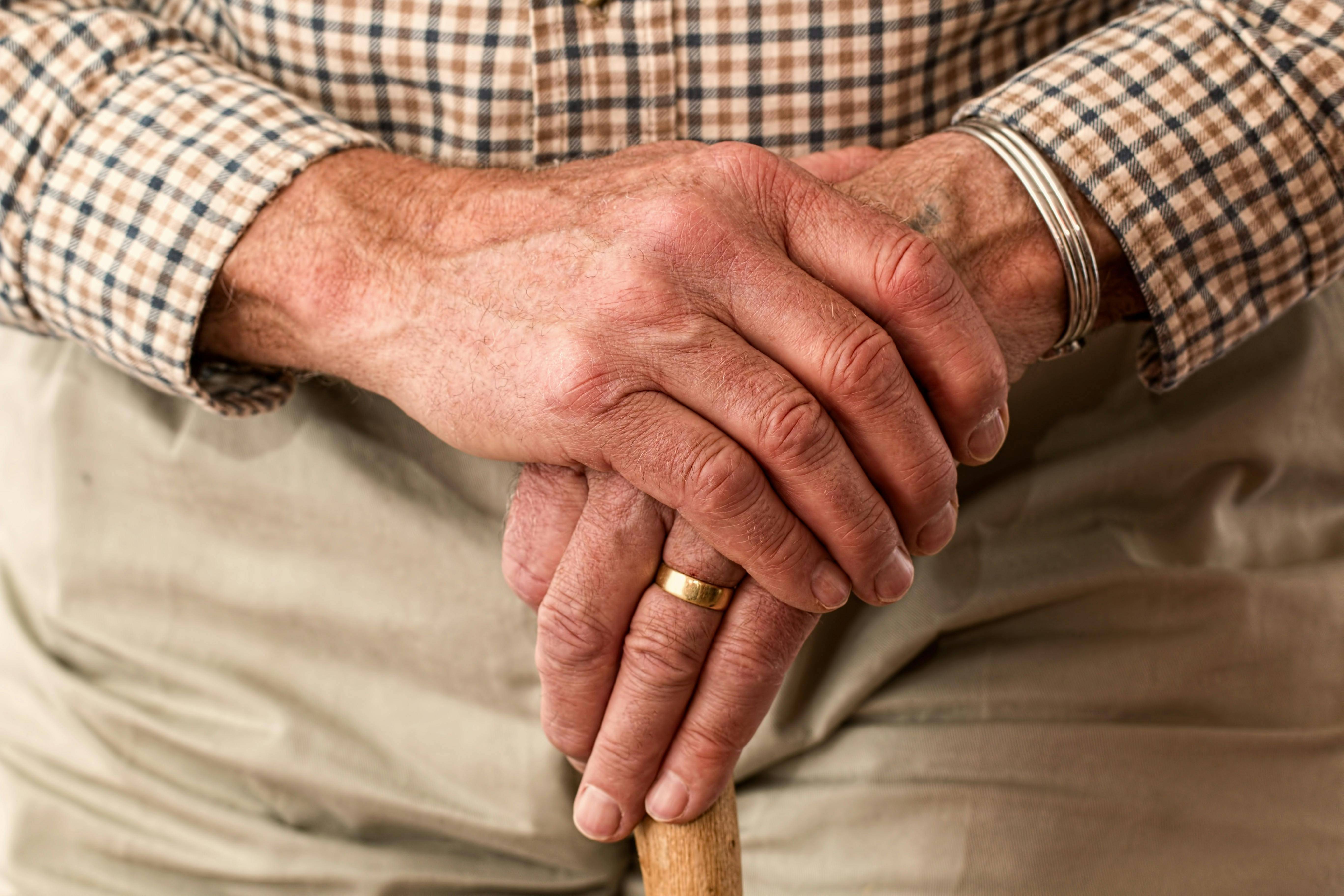
The OECD says many developing countries are ageing quickly while informal work remains common.
Across the world, the share of people over 65 is expected to rise from 10% in 2022 to 16% in 2050.
In 58 countries studied, 51% of older people receive a pension benefit, but coverage varies widely.
Only 40% of employed people and 8% of informal workers contribute to a pension scheme.
Low or irregular incomes, lack of information and distrust can make it harder to contribute.
Without enough retirement income, some older people keep working or rely on support from younger family members.
The OECD recommends combining non-contributory benefits to protect people from poverty with contributory schemes that better fit informal workers, while keeping pension systems financially sustainable.

A report by the OECD says widespread informal employment makes it harder for developing countries to build pension systems that provide broad coverage and adequate retirement benefits.
Across 58 countries studied, 51% of older people receive pension benefits, but coverage varies widely.
Only 40% of employed people and 8% of informal workers contribute to a pension scheme.
The OECD says barriers include low or irregular earnings, limited information, distrust and a lack of suitable options.
It recommends combining non-contributory support with contributory schemes that can serve informal workers while balancing retirement security and incentives to formalise employment.
The share of the world’s population aged over 65 is projected to rise from 10% in 2022 to 16% in 2050 and 24% in 2100.
- Who
- The OECD and developing countries facing ageing populations and widespread informal employment.
- What
- Informal work makes it harder to expand pension coverage and provide adequate retirement benefits.
- When
- The report was released during the week of October 11, 2026.
- Where
- The report examines 58 countries; the article discusses developing and emerging economies globally.
- Why
- Low and irregular incomes, lack of information, distrust and limited suitable options hinder pension contributions.
This story does not have two clearly opposing sides.
This reflects a variety of barriers, ranging from low earnings and irregular income to lack of information, distrust in the system and/or lack of relevant options, especially for non-employed people.
Policies should aim to coherently articulate non-contributory and contributory schemes, ensuring consistency and synergy to balance retirement income security with incentives for formalisation.
In the absence of adequate retirement income, older people have adopted various coping strategies to support themselves, including delaying retirement for informal economy workers and relying on intergenerational support.
People aged over 65 made up 10% of the global population.
InfoMoney reported on an OECD report released that week about pension coverage and informal work in developing countries.
The global share of people aged over 65 is projected to reach 16%.
African countries are expected to become ageing societies around this time.
The global share of people aged over 65 is projected to reach 24%.
- Countries studied
- 58
- Older people receiving pension benefits
- 51%
- Employed people contributing to a pension scheme
- 40%
- Informal workers contributing to a pension scheme
- 8%
- Global population aged over 65
- 10% in 2022; projected 16% in 2050 and 24% in 2100
Sources
Related news

Asian shares cautious as earnings and inflation data approach
Asian markets cautious as earnings and US inflation data loom

Oil prices fall after Trump claims an energy ceasefire in Ukraine war

Two Project Europe cofounders step down as fund prepares for next chapter

Fintechs make up more than half of Europe’s planned growth-stage fundraisers

Global trade growth highlights countries’ economic interdependence

Gold trades above $4,200 as oil prices and bond yields fall

Mexican financial firms increasingly use cloud services to launch products

African Union-backed credit rating agency launches in Mauritius

Oil prices fall as traders await Russia-Ukraine energy ceasefire

Gold rises as oil and the dollar fall, with US inflation data ahead