

Business · Energy & Commodities · 7 hrs ago
Drought-hit maize supply puts poultry and ethanol industries in competition
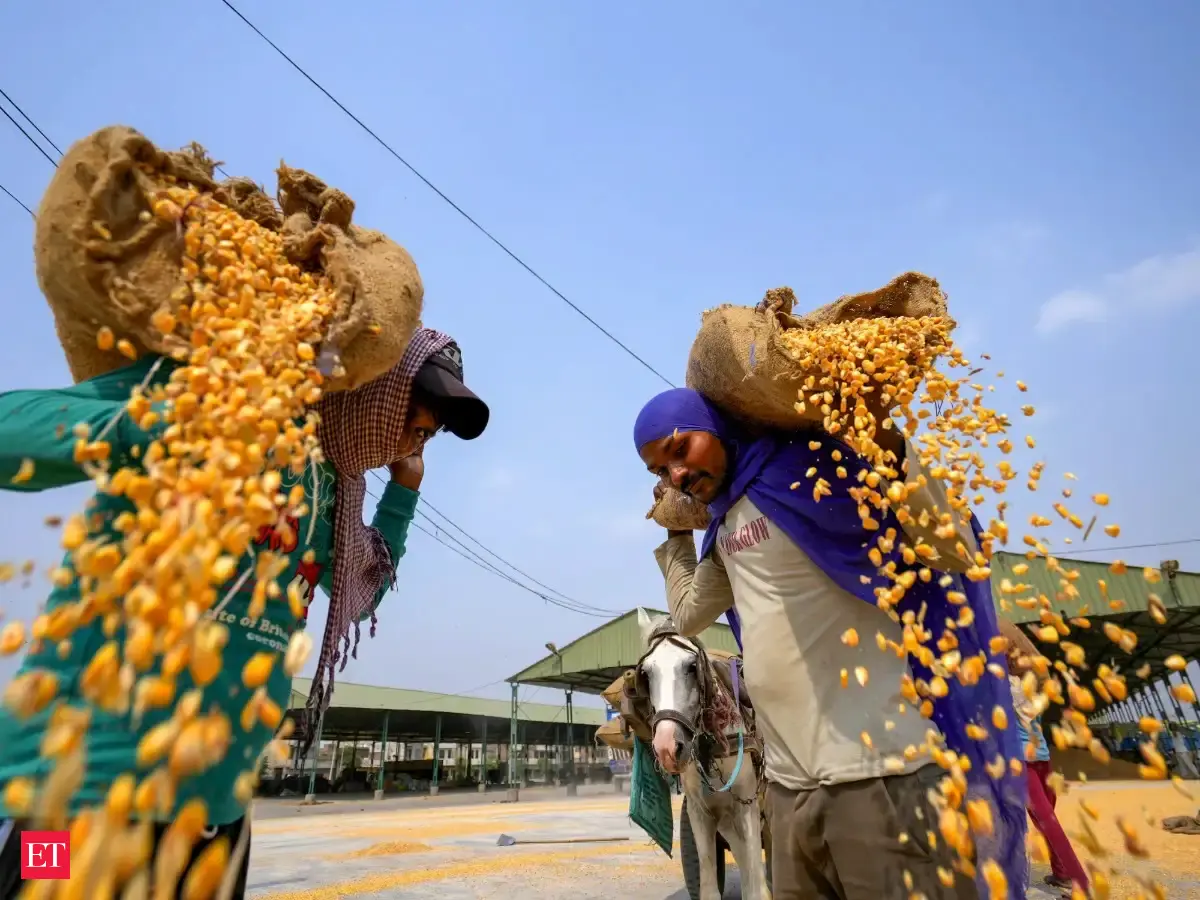
Drought has tightened India’s maize supply, setting off a competition among industries for access to the grain.
Poultry producers use maize for animal feed, while ethanol makers use it to produce fuel and starch makers supply food processing and other industries.
Poultry feed uses about 55–60% of India’s maize, putting the sector in direct competition with ethanol plants.
For the 2026–27 ethanol year, oil marketing companies excluded sugar-based ethanol from their first tender and cut the incentive for maize-based ethanol by Rs 3 per litre.
Ethanol makers say rice-based supplies could leave little room for maize, weakening the market for farmers.
Poultry groups say rising maize prices are increasing pressure on feed costs, while an agricultural expert warned that greater use of maize for ethanol could lead to starch imports from China.
Industry groups are asking the government to prioritise supplies, but no decision on their requests is stated.

Drought has reduced maize supply in India, intensifying competition among poultry, ethanol and starch industries for access to the grain.
Poultry producers use maize for feed, while ethanol makers use it to produce fuel and starch makers supply food processing and other industries.
The National Egg Coordination Committee says poultry feed typically consumes around 55-60% of India’s maize.
Oil marketing companies’ first ethanol procurement tender for the 2026-27 ethanol year excludes sugar-based ethanol and cuts incentives for maize-based ethanol by Rs 3 per litre.
Industry groups are asking the government to prioritise supplies, while a poultry industry representative warns that more maize use for ethanol could leave poultry short of feed.
- Who
- Poultry producers, ethanol manufacturers and starch makers are competing for maize. Industry bodies including NECC and GEMA have made representations to the government.
- What
- Drought-hit maize supply is prompting industries to seek priority access. The first ethanol tender for 2026-27 excludes sugar-based ethanol and reduces incentives for maize-based ethanol.
- When
- The article was published on October 20, 2026. The ethanol year begins in November.
- Where
- India.
- Why
- Drought has affected maize production while demand from poultry feed, ethanol and other industries remains high.
Poultry industry
Ethanol manufacturers
Maize allocation
Poultry industry
NECC says poultry feed consumes around 55-60% of total maize and warns that rising ethanol demand puts poultry in direct competition for supplies.
Ethanol manufacturers
GEMA says the tender’s lower maize incentive risks weakening maize-based production and the market it creates for farmers.
Priority
Poultry industry
GK Sood says maize should be prioritised for food and poultry feed.
Ethanol manufacturers
GEMA objects to a tender it says may favour rice-based feedstocks and leave limited scope for maize allocations.
Maize prices have been continuously rising, according to the article.
NECC wrote to the government about tightening maize supply and rising demand.
Oil marketing companies released their first ethanol procurement tender for the 2026-27 ethanol year.
- Maize use in poultry feed
- Around 55-60% of total maize
- Maize-based ethanol incentive
- Reduced by Rs 3 per litre
- Ethanol year
- 2026-27, beginning in November
- First tender
- Sugar-based ethanol excluded
- Industry bodies
- NECC and GEMA
What people are saying
Maize should get priority for food as it is used in many foods in the form of starch, and it is a main feed for poultry.
If we increase the use of maize for ethanol, then we may starve poultry and may have to import starch from China.
While maize supply is tightening, demand continues to surge due to the government's grain-based ethanol blending programme, which scaled up dramatically.
Cutting the maize incentive while lower-priced rice-based supplies remain available risks weakening the economics of maize-based production and the market it creates for farmers.