

Science & Tech · Science & Environment · 4 hrs ago
Study finds three mosquito species prefer different people
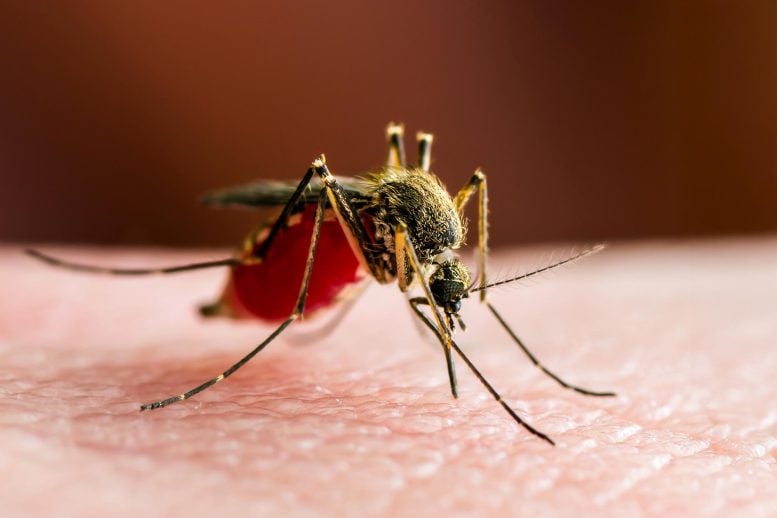
Researchers at Florida International University tested 119 volunteers against three disease-carrying mosquito species.
They found that each species preferred different people, and no volunteer attracted all three.
The species included mosquitoes that spread dengue, Zika, yellow fever and West Nile virus.
Aedes aegypti was drawn to people with no added fragrance and certain skin-chemical patterns, while Aedes albopictus responded to other skin chemicals.
The night-feeding Culex quinquefasciatus was more strongly influenced by differences in the skin microbiome, the community of microorganisms living on skin.
The findings suggest mosquito attraction depends on species-specific scent cues, rather than some people being universally attractive to mosquitoes.
Researchers say identifying these cues could help develop repellents tailored to particular species, but further research is needed before that becomes effective protection.

Researchers found that three mosquito species consistently preferred different people in a study involving 119 volunteers.
No participant was attractive to all three species, challenging the idea that some people attract mosquitoes universally.
The species were Aedes aegypti, Aedes albopictus and Culex quinquefasciatus, which use different human scent and skin-microbe cues.
The findings could help inform repellents tailored to particular mosquito species, but further research is needed.
The study was published in iScience.
- Who
- Researchers at Florida International University, led by Ph.D. student Kaylee Marrero, studied three mosquito species and 119 volunteers.
- What
- The study found that the three species preferred different people and responded to different human scent and skin-microbe signals.
- When
- The article was published on November 3, 2026; the study date is not stated.
- Where
- Florida International University conducted the research. The location of the volunteer tests is not stated.
- Why
- Researchers investigated which human biological signals influence mosquito attraction and may help guide targeted repellents.
This story does not have two clearly opposing sides.
Researchers tested mosquito preferences involving 119 volunteers and collected odor and skin microbiome samples.
The study was published in iScience.
SciTechDaily published an article describing the findings.
- Volunteers
- 119
- Mosquito species
- Aedes aegypti; Aedes albopictus; Culex quinquefasciatus
- Participants attractive to all three species
- None
- Study journal
- iScience
- Research institution
- Florida International University
1 source
What people are saying
We didn’t expect the species to prefer different people when we started the study.
Each species having a distinct microbial signature that they use as a cue was so surprising to me.
It is clear to me now that our skin microbiomes define our human odor signature. Each species found its own way to decode that signature.
Isolating the components of human odor that attract or repel mosquitoes could lead to novel strategies to combat vector-borne diseases.