

Science & Tech · Science & Environment · 58 mins ago
Deep-Sea Gulf Animals Show Little Recovery From Deepwater Horizon Spill
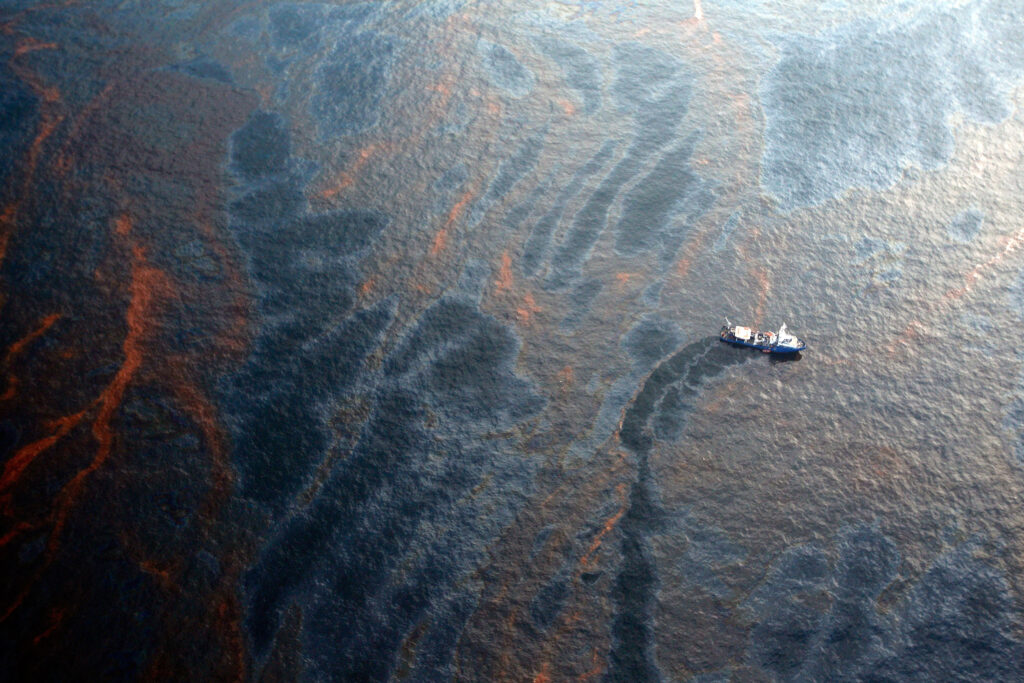
A new study found that deep-sea animal populations in the Gulf of Mexico fell sharply after the 2010 Deepwater Horizon oil spill.
Across a wide area, octopus, squid, krill, shrimp and lanternfish populations declined by 60 to 85 percent in the years after the disaster.
Researchers found few signs that the populations have recovered.
The study says the spill is the most likely explanation for the decline, though it does not establish that the spill caused it.
Lingering pollution may harm animals’ reproduction and ability to find mates, while losses in genetic diversity could make populations less able to withstand change.
Declines in krill and lanternfish could affect the food web, and widespread losses may also weaken the ocean’s ability to carry carbon into the deep sea.
Restoration efforts are still underway, and researchers say the findings raise concerns about proposed deep-sea mining before baseline conditions are measured.

A new study found that deep-sea animal populations in the Gulf of Mexico fell sharply after the Deepwater Horizon disaster, with little evidence of recovery.
Octopus, squid, krill, shrimp and lanternfish populations declined by at least 60 percent in the first few years after the spill.
The research, based on acoustic surveys and thousands of net samples, found declines across a broad area of the Gulf.
Researchers identified the spill as the most likely explanation, while stopping short of concluding that it caused the declines.
The study also found some loss of genetic diversity, which could make recovery harder.
- Who
- Researchers studied populations of deep-sea animals in the Gulf of Mexico.
- What
- A new study found steep population declines and little evidence of recovery after the Deepwater Horizon spill.
- When
- The declines occurred in the first few years after the 2010 disaster; the study was published in October 2026.
- Where
- The deep waters of the Gulf of Mexico.
- Why
- Researchers identified the spill as the most likely explanation for the declines, while stopping short of concluding that it caused them.
This story does not have two clearly opposing sides.
The Deepwater Horizon rig exploded and caught fire, killing 11 people and triggering an oil spill.
Oil and gas flowed from the broken well for 87 days.
BP agreed to a $20.8 billion settlement, including up to $8.8 billion for environmental restoration.
A new study reported severe deep-sea animal declines and few signs of recovery.
- Oil released
- 4.9 million barrels
- Spill duration
- 87 days
- Population declines
- 60 to 85 percent in the three-and-a-half years after the spill
- Affected species
- Octopus, squid, krill, shrimp and lanternfish
- BP settlement
- $20.8 billion in 2016, including up to $8.8 billion for environmental restoration
4 sources
Sixteen Years After Deepwater Horizon, Deep Sea Life Shows Few Signs of Recovery
Marine life dramatically declined in Gulf of Mexico in years after BP oil spill, study finds
Deep-Sea Species Struggle to Recover After Deepwater Horizon Spill
The 2010 Deepwater Horizon oil spill devastated deep-sea life—and it hasn’t recovered
What people are saying
the fastest and most severe
limited resilience to facilitate recovery
the most parsimonious explanation
fastest and most severe faunal decline reported for Earth’s largest ecosystem type