

Science & Tech · Science & Environment · 2 hrs ago
Atlas of one million neutrophils links cell patterns to disease risk
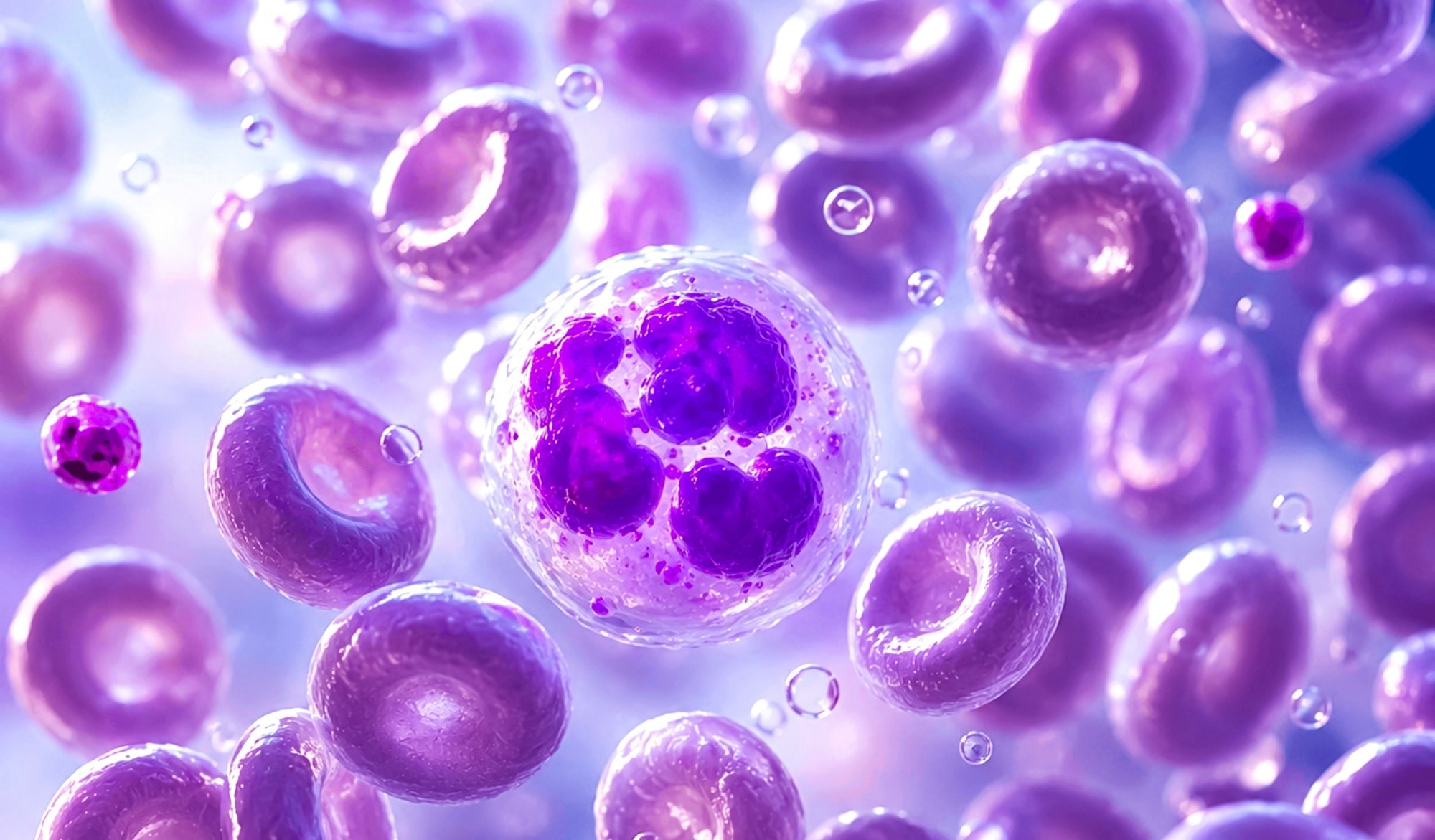
Researchers built an atlas of about one million neutrophils, the most common white blood cells in human blood.
They combined 43 datasets covering 781 samples from people in nine countries, including healthy participants and patients with various illnesses.
The atlas maps differences in neutrophil subtypes and gene activity across tissues and health conditions.
Some gene patterns were linked to cancer outcomes, metabolic health and mortality, including short-term death risk in people who were critically ill.
These links do not show that the patterns cause disease, but they suggest that studying neutrophils could help assess health risks.
Neutrophil profiling may eventually support clinical risk assessment, but researchers say it needs prospective validation before it can be used that way.

Researchers assembled an atlas of approximately one million human neutrophils to study how these immune cells vary across health and disease.
The atlas combined 43 single-cell RNA sequencing datasets covering 781 samples.
Neutrophil gene activity patterns were linked to cancer outcomes, metabolic health and mortality risk.
The analysis covered more than 20 tissues and diseases across nine countries and seven sequencing platforms.
The researchers said neutrophil profiling may eventually help assess clinical risk, pending prospective validation.
- Who
- Researchers who created the single-cell atlas of human neutrophils.
- What
- They combined data on approximately one million neutrophils and linked gene activity patterns to health outcomes.
- When
- The study was published on 2026-10-22.
- Where
- The datasets covered more than 20 tissues and diseases across nine countries.
- Why
- To examine neutrophil differences across health and disease and their links to clinical outcomes.
This story does not have two clearly opposing sides.
This story does not have a timeline yet.
- Neutrophils in atlas
- Approximately one million
- Datasets
- 43 single-cell RNA sequencing datasets
- Samples
- 781
- Coverage
- More than 20 tissues and diseases across nine countries
- Publication date
- 2026-10-22