Politics · Australia · 2 hrs ago
Pocock questions PM’s office edits to bipartisan AI committee letter
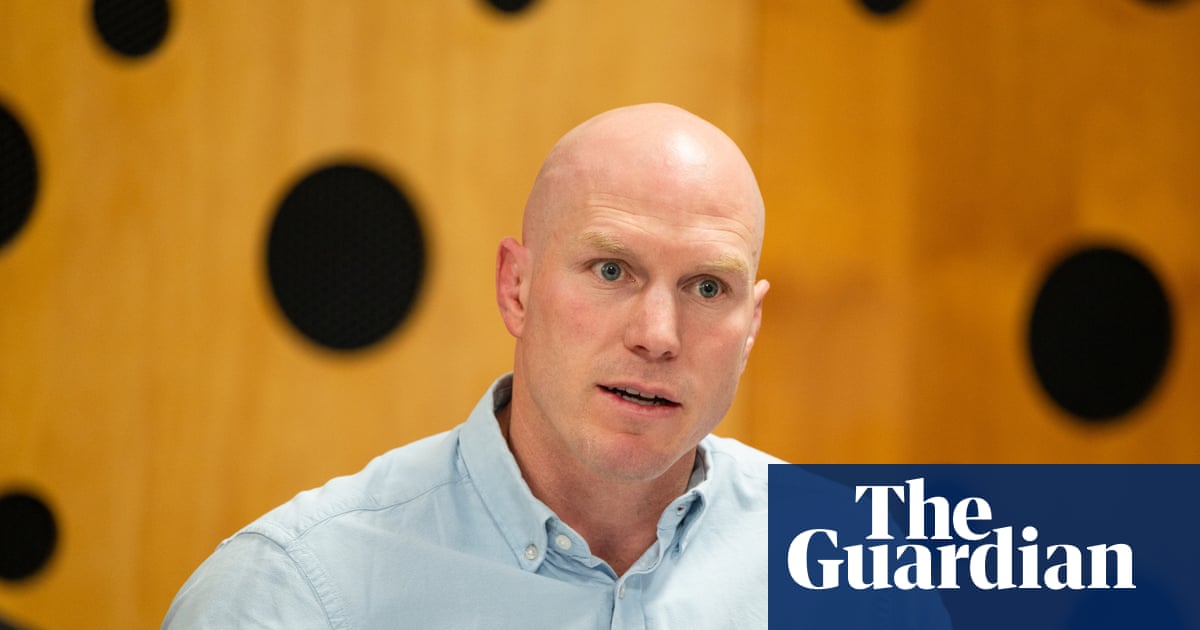
A parliamentary committee in Australia is examining how the country should manage artificial intelligence.
It sent a bipartisan letter to Prime Minister Anthony Albanese on concerns including copyright, AI safeguards, national capability and public understanding of AI.
Notes on the letter show a senior adviser in Albanese’s office made edits and marked some wording “fine” before it was sent.
Independent senator David Pocock said he was concerned the letter had been vetted before committee members could consider changes.
Committee chair Jo Briskey said the committee had consulted the prime minister’s and opposition leader’s offices, and that the letter set out its direction ahead of a report due on 30 November.
Deputy chair Jonno Duniam said there had been no government interference.
Pocock also said the letter left out concerns about creative work, worker retraining and screening imported genetic synthesis products.

A bipartisan parliamentary committee letter on artificial intelligence was sent to Prime Minister Anthony Albanese after edits by a senior adviser in his office.
Independent senator David Pocock said the adviser’s edits were concerning and that he had no time to suggest changes before the letter was sent.
Committee chair Jo Briskey and deputy chair Jonno Duniam rejected claims that the government had predetermined or interfered with the committee’s work.
The letter raises concerns about copyright, AI safeguards, sovereign capability and AI literacy.
Pocock said it did not reflect the breadth of evidence presented to the committee and raised concerns about whether its work was serving a political purpose.
- Who
- A parliamentary committee considering AI policy sent the letter to Prime Minister Anthony Albanese. David Pocock raised concerns about the editing process.
- What
- A bipartisan letter setting out concerns and the committee’s direction was sent after edits by a senior adviser in the prime minister’s office.
- When
- Monday night. Pocock provided his feedback at 9:55pm, after the letter had been sent.
- Where
- Australia; the letter was sent to the prime minister. A more specific location is not stated.
- Why
- The committee said the letter was intended to show its direction ahead of a report due on 30 November.
David Pocock
Jo Briskey and Jonno Duniam
Adviser’s edits
David Pocock
Pocock said the recommendations appeared to have been pre-vetted by an adviser in the prime minister’s office, leaving no time for changes to be considered by the chair.
Jo Briskey and Jonno Duniam
Briskey said the committee had consulted the prime minister’s and opposition leader’s offices; Duniam said there had been no guidance or interference.
Purpose and scope
David Pocock
Pocock said the letter did not capture the breadth of evidence and worried the committee’s work was being used for a political purpose.
Jo Briskey and Jonno Duniam
Briskey said the letter showed the committee’s direction ahead of its report; Duniam described the process as parliament working well.
A senior adviser in the prime minister’s office made edits to the letter, 35 minutes before it was sent.
Committee chair Jo Briskey and deputy chair Jonno Duniam sent the letter to Albanese on behalf of Labor, Coalition and crossbench MPs.
Pocock provided feedback on the letter, not knowing it had already been sent.
The committee’s report is due.
- Letter sent
- Monday night
- Last noted edits
- 8:55pm, 35 minutes before the letter was sent
- Pocock’s feedback
- 9:55pm, after the letter had been sent
- Committee chair
- Jo Briskey, Labor MP
- Committee deputy chair
- Jonno Duniam, Liberal senator
- Report due
- 30 November
What people are saying
I’m concerned that markups on the documents show the recommendations were pre-vetted by an adviser in the prime minister’s office and there was no time for changes to be considered by the chair.
There’s been no guidance, no interference.
It’s been a process by which we’re seeking advice and making sure that this is working across the board … There was engagement right across the panel. Senator Duniam also worked with his side, the opposition.
We’ve seen enough major party stitch-ups.
Sources
Related news
Victoria closes first suspected illicit tobacco shops outside major cities

Zempilas criticizes Cook over competing mega-projects
WA education minister and universities disagree over merger plan
Larrakia custodians divided over Darwin housing development
Melbourne Lord Mayor discusses the city’s future with Bill de Blasio
Queensland court orders first murder retrial under double jeopardy laws
Northern Territory plans to allow 16-year-olds to buy pepper spray

Joyce says Frydenberg comeback could push conservatives toward One Nation
Queensland ombudsman drops call to close Wacol youth remand centre
Greens seek stronger digital safety laws, including right to sue tech firms

Australia commits $630 million to support pay rises in care and community services