

Politics · United Kingdom · 58 mins ago
Polanski backs report supporting UK Nato membership and nuclear deterrent
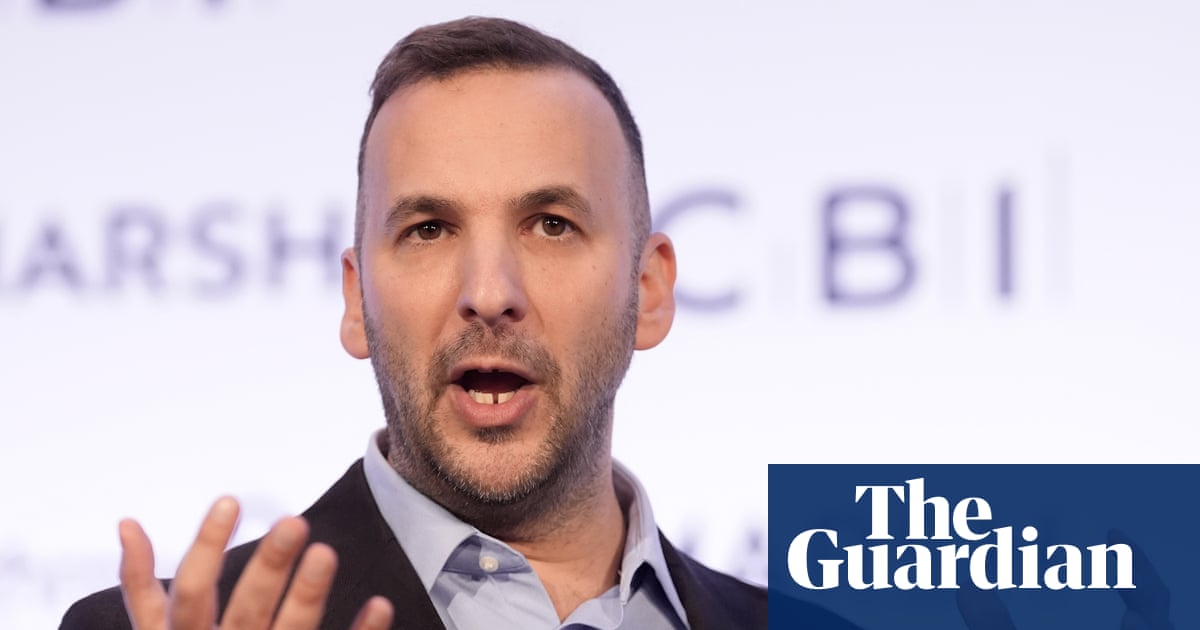
Green Party leader Zack Polanski welcomed a report supporting the UK’s membership of Nato and its nuclear deterrent.
The paper, by the Verdant thinktank, also urges closer UK cooperation with France on maintaining nuclear weapons.
The Green Party says its official defence policies have not changed since the 2024 election, when it called for the UK to join a UN treaty banning nuclear weapons and start dismantling its Trident submarines.
Polanski’s backing is part of a debate about how the party can reassure more voters on national security.
The report conflicts with views Polanski has expressed before, including his doubt that Nato can be reformed from within.
It also recommends more focus on value for money in defence spending and investment in adapting to climate change.
The paper is likely to prompt further debate within the party, which has faced criticism over its defence policies.

Zack Polanski has backed a report supporting UK membership of Nato and continued nuclear weapons.
The Verdant thinktank report also urges closer UK cooperation with France on maintaining the nuclear deterrent.
Green party sources say the party’s defence policies have not changed since the 2024 election.
Polanski’s endorsement is part of a debate within the party about reassuring more voters on national security.
The report also calls for a revised security strategy focused on value for money and more investment in climate adaptation.
- Who
- Zack Polanski, leader of the Green party, backed the report. It was written by Sacha Deshmukh.
- What
- The report supports the UK remaining in Nato and keeping its nuclear weapons, while calling for closer cooperation with France.
- When
- The Guardian published the story on 24 November 2026.
- Where
- The report concerns UK national security and defence policy.
- Why
- Polanski said national security was a progressive issue. Party sources said his endorsement formed part of a debate about reassuring a broader group of voters.
Green party’s existing defence policy
Verdant report’s recommendations
Nato
Green party’s existing defence policy
The party’s official policy supports UK membership of Nato, but Polanski has previously said he did not believe Nato could be reformed from within.
Verdant report’s recommendations
The report calls for the UK to remain in Nato and work with allies to reform its structures.
Nuclear weapons
Green party’s existing defence policy
In the 2024 election, the Greens called for the UK to sign the UN treaty banning nuclear weapons and begin dismantling its Trident submarines.
Verdant report’s recommendations
The report argues the UK could not, and possibly should not, cancel the next generation of nuclear submarines, and calls for closer cooperation with France.
The Green party went into the election calling for the UK to sign the UN treaty on the prohibition of nuclear weapons and begin dismantling its Trident submarines.
A YouGov poll found that 17% of voters trusted the Greens on defence, the lowest result across 18 issues.
Polanski told the Guardian’s Politics Weekly podcast that he did not believe Nato could be reformed from within.
The Guardian reported that Polanski had backed the Verdant report.
- Report author
- Sacha Deshmukh
- Thinktank
- Verdant
- Poll result
- 17% of voters trusted the Greens on defence
- Poll ranking
- Lowest of 18 issues
- Previous election policy
- Sign the UN treaty on the prohibition of nuclear weapons and begin dismantling Trident submarines
- Published
- 24 November 2026
What people are saying
At its core, national security is about food on the table, warm homes and safe communities. That makes it a progressive issue – and I welcome Verdant’s call for a comprehensive security framework that brings people from across the UK into keeping our country safe.
Donald Trump has so much domination within Nato that I don’t believe it’s possible to reform Nato from within.
Historically some progressives have shied away from recognising security threats. But the right has not been willing to accept the flaws in their policy solutions, so they are not always as strong as they should be – both sides need to change that.