

Business · Trade · 19 hrs ago
Alberta farmers face trade and transport questions if province separates
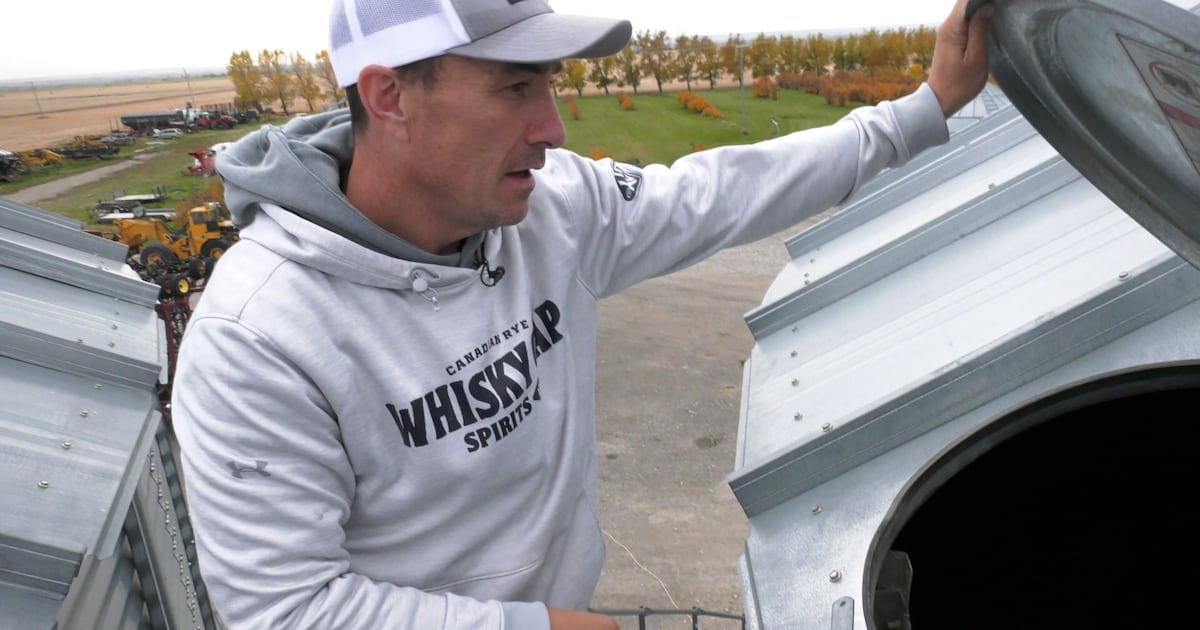
Alberta farmers are concerned that separation from Canada could make it harder to move their crops and livestock.
The province is landlocked, and much of Western Canada’s grain is shipped by rail to the port of Vancouver for export.
Farmers are unsure whether British Columbia would give an independent Alberta access to ports or whether routes through the United States could handle the exports.
Alberta’s agricultural industry also depends on trade with other provinces and international markets.
Separation could require new agreements on transport and trade, and a University of Calgary economist has warned of possible border controls, trade barriers and higher business costs.
These concerns come as farmers face rising costs for fertilizer and diesel.
On Oct.
19, Albertans are due to vote on whether the province should remain in Canada or take the next step toward a possible separation referendum.

Alberta farmers could face new challenges to export markets, transport routes and trade agreements if the province separates from Canada.
Alberta is landlocked, and farmers say they rely on access to ports to ship some crops internationally.
An Alberta independence plan proposes negotiating agreements with Canada on rail transport, port access and trade.
A University of Calgary economist warns separation could bring border controls, trade barriers and higher costs.
Albertans are preparing to vote on Oct. 19 on whether the province should remain in Canada or take the next step toward a possible separation referendum.
- Who
- Alberta farmers and the province’s agricultural sector could be affected.
- What
- Possible separation from Canada raises questions about export markets, transport routes and trade agreements.
- When
- Albertans are preparing to vote on Oct. 19.
- Where
- Alberta, Canada; the province is landlocked and relies on routes to ports, including Vancouver.
- Why
- Separation could require new agreements on moving goods and livestock, trade and access to transport routes.
Alberta Transition Council
Stephen Vandervalk
Trade and transport
Alberta Transition Council
The council’s independence plan proposes negotiating agreements with Canada on rail transportation, port access and trade relationships.
Stephen Vandervalk
Vandervalk questions whether British Columbia would co-operate and whether routes through the United States could handle agricultural exports.
Separation
Alberta Transition Council
The council has released an independence plan.
Stephen Vandervalk
Vandervalk says he does not support breaking away from Canada.
The agricultural sector is highly integrated. We have animals and products coming to Alberta from other provinces, and leaving Alberta. So, potential separation will have a massive impact.
Not stated
Alberta is landlocked, so we do need access to ports.
We do send far too much to Ottawa and see very little in return.
This story does not have a timeline yet.
- Vote date
- Oct. 19
- Farmer
- Stephen Vandervalk
- Farm location
- Near Fort Macleod, Alberta
- Crops
- Malt barley, durum wheat and canola
- Export route
- Much of Western Canada’s agricultural produce is sent by train to Vancouver and exported by boat
- Independence plan
- Proposes agreements with Canada on rail transportation, port access and trade relationships
Sources
Related news
Trudeau says tourism needs public investment, citing Canada's approach

Canada loses 68,000 jobs in September as unemployment rate rises to 6.5%

Shell to buy 30% stake in proposed Bay du Nord oil project

Stelco says it will proceed with Ontario layoffs despite Ottawa's warning

Geely plans to start selling cars in Canada in 2027

Court dismisses Tim Hortons class-action lawsuit
GM recalls more trucks over side-curtain airbag risk

Stelco owner ready to fight Canada over planned Hamilton layoffs

Kevin's Natural Foods turkey gravy recalled over undeclared mustard

Giant Tiger’s Pembina Highway store in Winnipeg is set to close in February

Roblox resale earnings helped 25-year-old buy a Windsor home
