

World · South & Central Asia · 1 week ago
Delhi High Court says relatives need specific allegations for prosecution
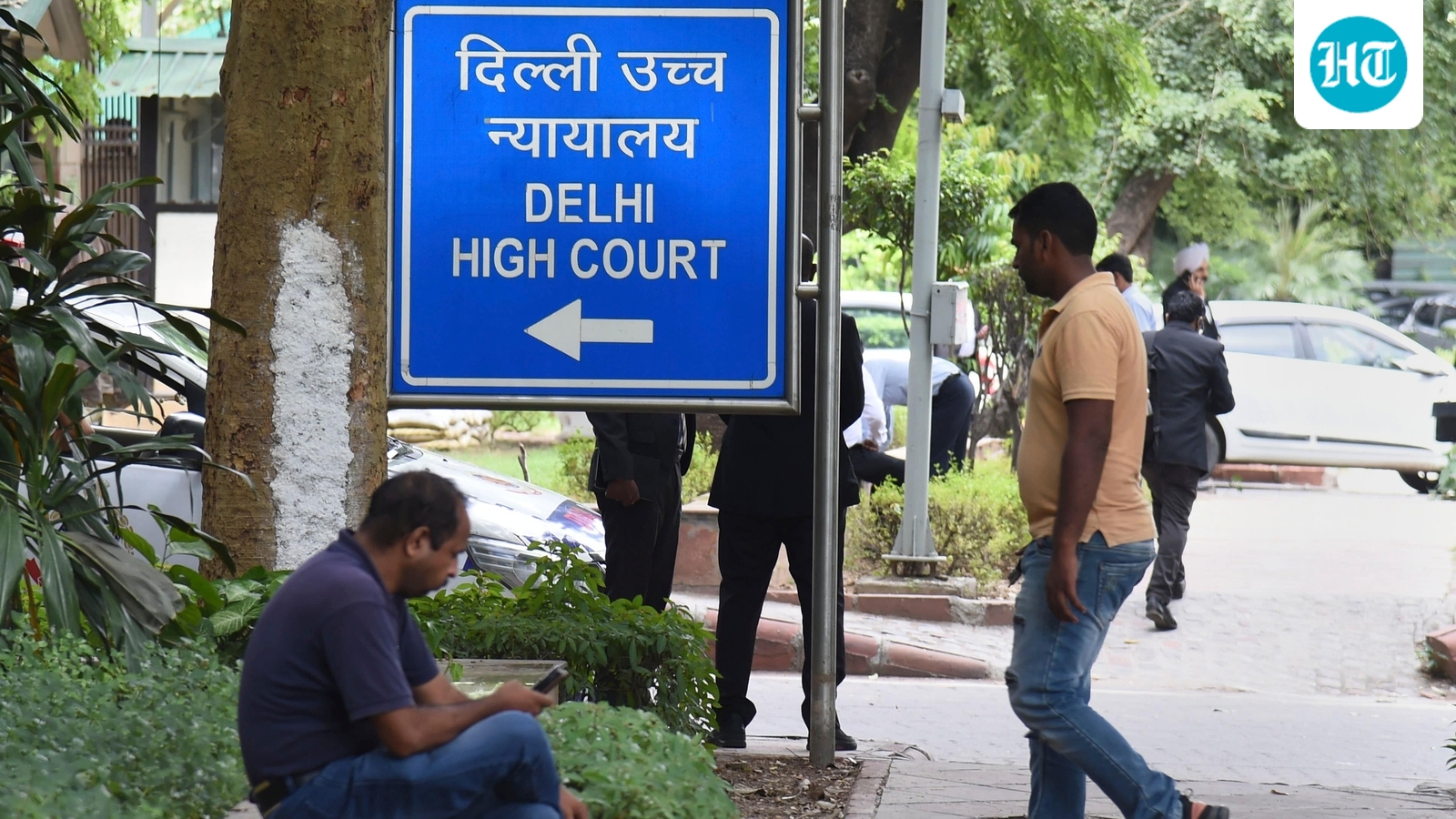
The Delhi High Court said family members need specific allegations before they can face criminal proceedings in a marriage dispute.
The ruling came in the case of Anissia Batra, a flight attendant who died by suicide in South Delhi in 2018.
Her mother had accused Anissia’s husband, Mayank Singhvi, and his parents of cruelty and dowry-related offences.
The court set aside the trial court’s order to charge Singhvi with cruelty and abetment to suicide, and upheld the parents’ discharge from charges.
It said a message blaming someone for a suicide may be relevant evidence, but does not by itself prove abetment to suicide.
The judge said the law must protect women facing cruelty while avoiding prosecution based only on family ties.
The ruling also said women should not be pressured to stay in harmful marriages, and that parents should offer daughters a safe home if they return.

The Delhi High Court said a husband’s relatives should not face criminal prosecution in a matrimonial dispute without specific allegations and individual roles.
The court upheld the discharge of Mayank Singhvi’s parents from charges related to cruelty and dowry death.
It set aside the trial court’s decision to charge Singhvi with cruelty and abetment to suicide.
The case followed the 2018 death of Singhvi’s wife, flight attendant Anissia Batra, in South Delhi.
- Who
- The Delhi High Court, in a verdict by Justice Madhu Jain.
- What
- It said relatives need specific allegations and individual roles to face prosecution in matrimonial disputes. It also set aside charges against Mayank Singhvi.
- When
- The verdict was delivered on Wednesday; the article was published on November 5, 2026.
- Where
- The Delhi High Court; the case concerned events in Panchsheel Park, South Delhi.
- Why
- The court said matrimonial discord and sweeping allegations alone do not justify prosecuting family members.
Nillum Batra and Delhi Police
Mayank Singhvi
Allegations
Nillum Batra and Delhi Police
Nillum Batra alleged Singhvi repeatedly demanded money from her daughter and held him and his parents responsible for her death.
Mayank Singhvi
Singhvi challenged the trial court’s order directing charges against him.
Trial court’s 2019 order
Nillum Batra and Delhi Police
It discharged Singhvi from dowry-death charges and his parents from dowry-death and cruelty charges, but directed charges against Singhvi for cruelty and abetment to suicide.
Mayank Singhvi
Singhvi challenged the order; the Delhi High Court later set aside the charges against him.
Anissia Batra allegedly died by suicide in Panchsheel Park, South Delhi.
The trial court discharged Singhvi from dowry-death charges and his parents from dowry-death and cruelty charges, but directed charges against Singhvi for cruelty and abetment to suicide.
The Delhi High Court upheld the parents’ discharge and set aside the trial court’s charges against Singhvi.
- Court
- Delhi High Court
- Judge
- Justice Madhu Jain
- Verdict length
- 52 pages
- Deceased
- Anissia Batra, a flight attendant who worked for a German airline
- Death
- July 13, 2018, in Panchsheel Park, South Delhi
- Trial court order
- Issued in 2019
1 source
What people are saying
The anguish arising from a troubled marriage is understandable, but it cannot justify drawing the entire family into criminal proceedings without a specific role being attributed to the persons concerned
A criminal prosecution has consequences that extend beyond the courtroom, affecting reputation, livelihood and family life.
The deceased's attribution of responsibility to another person is a relevant piece of evidence, but it does not by itself determine whether the person named has committed the offence under Section 306 of IPC