

Business · Companies · 1 hr ago
Jeju Samdasoo adds recycled plastic as it targets a 50% cut by 2030
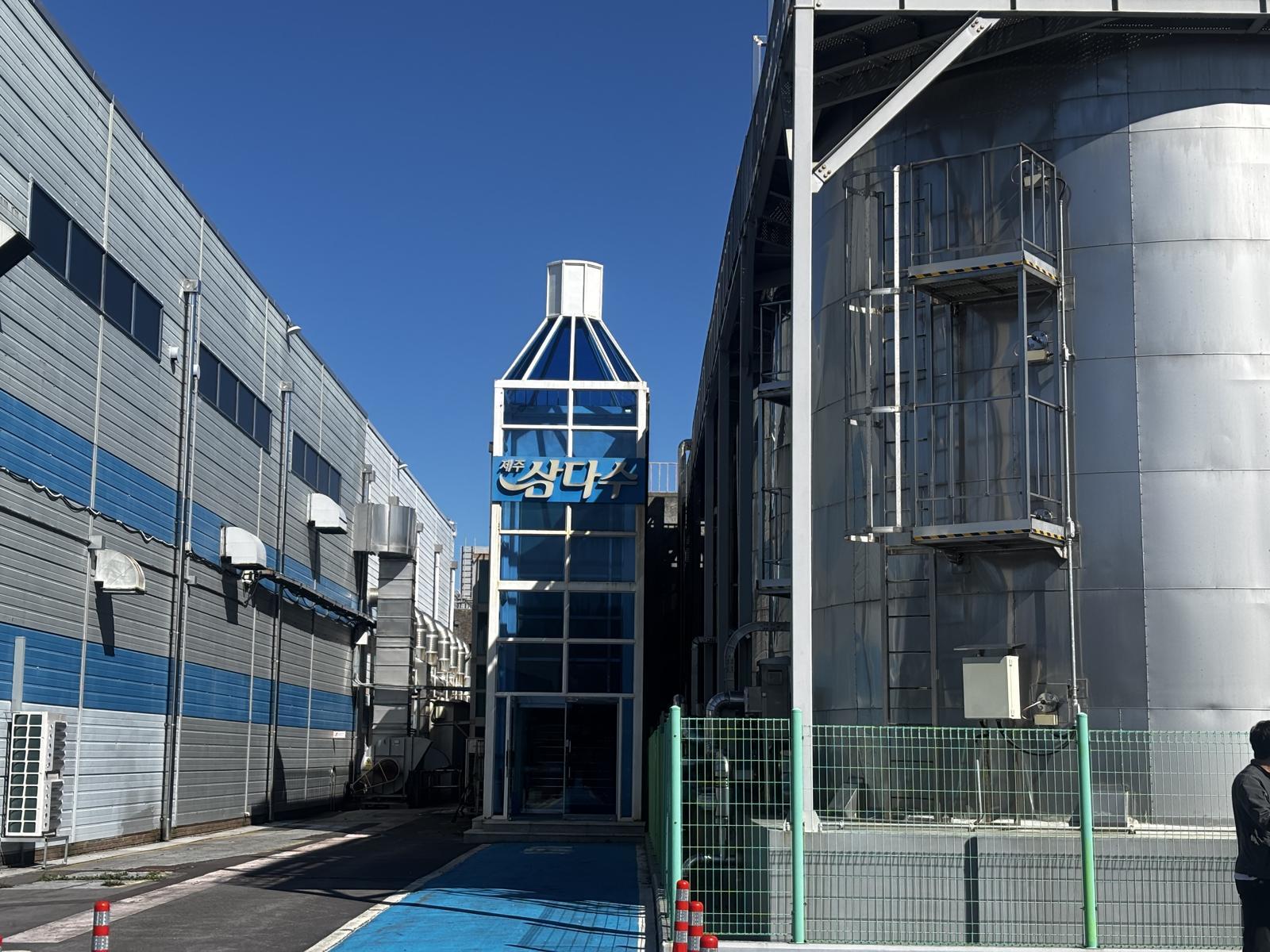
Jeju Samdasoo is changing how it makes bottled water in South Korea’s Jeju Island, including by using less plastic in its bottles.
Since this year, all its product types use 10% recycled PET, a material made from recycled plastic bottles.
The company has also shifted all products made for sale in South Korea to label-free bottles, following earlier changes to make bottles lighter.
By 2030, it aims to use 30% recycled material and cut plastic use by half compared with 2020.
South Korea requires label-free packaging for some locally made bottled water sold online or in multipacks, but imported Baishanshui is exempt, prompting concerns about fairness in the industry.
Jeju Samdasoo says it will continue improving its packaging, while monitoring groundwater at 113 sites around its water source.

Jeju Samdasoo has begun using recycled PET in all its product lines, with recycled material making up 10% of the bottles.
The company aims to raise the recycled-material share to 30% and cut plastic use by 50% from 2020 levels by 2030.
Jeju Development Corporation has also reduced bottle weight and switched all products for domestic sale to label-free packaging.
The company says plastic use per 500-millilitre bottle fell by about 20% between 2020 and last year.
Jeju Development Corporation monitors groundwater with 113 observation sites.
- Who
- Jeju Development Corporation, which makes Jeju Samdasoo.
- What
- It is using 10% recycled PET in all product lines and plans to increase the share to 30% while cutting plastic use by 50%.
- When
- The recycled PET use began this year; the targets are for 2030.
- Where
- Jeju, South Korea.
- Why
- To reduce plastic use and advance the company’s environmental goals.
This story does not have two clearly opposing sides.
Jeju Samdasoo launched its label-free product, Jeju Samdasoo Green.
Jeju Development Corporation developed products using 30% recycled PET and a prototype using 100%.
The company added QR codes to bottle caps so individual bottles could be sold without labels.
The company began using 10% recycled PET across all product lines and switched all products for domestic sale to label-free packaging.
The company aims to use 30% recycled material and cut plastic use by 50% from 2020 levels.
- Recycled PET share
- 10% across all product lines this year
- 2030 recycled-material target
- 30%
- 2030 plastic-use target
- 50% below 2020 levels
- 330-millilitre bottle weight
- Reduced from 14 grams to 12 grams in January
- Groundwater monitoring
- 113 observation sites