

Politics · Germany · 7 hrs ago
Germany’s labour minister proposes major pension changes
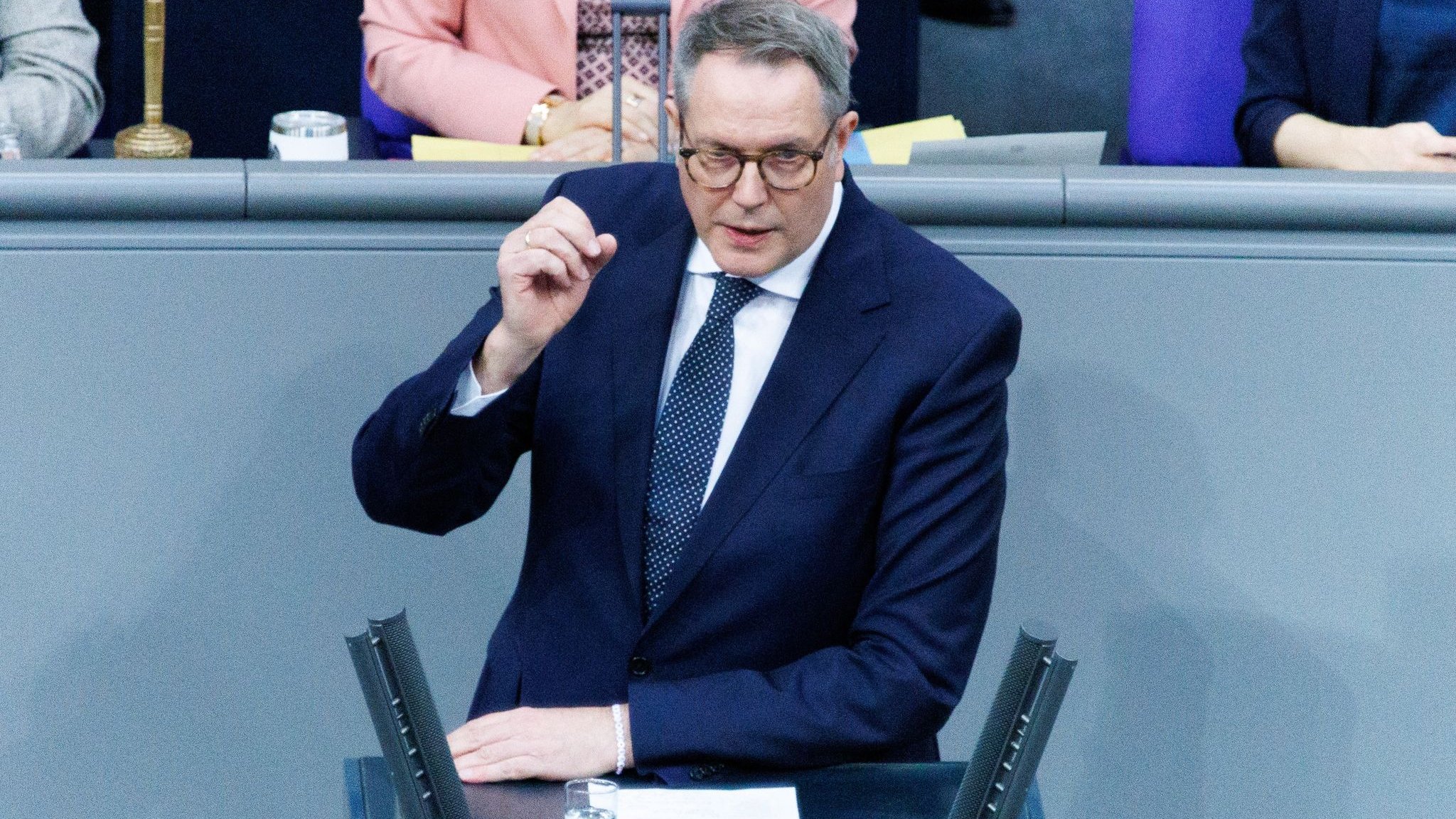
Labour Minister Alexander Schweitzer has proposed a major pension reform in Germany to address a dispute within the governing coalition.
His plan would tighten access to the “pension at 63,” which allows some people with 45 years of insurance contributions to retire early without a reduction.
It would exclude periods receiving unemployment or sickness benefits, and some minijob work, from the 45-year total, potentially preventing about 27% of those currently eligible from using this route.
Early retirement after 35 contribution years would remain possible, but the minimum age would rise from 63 to 64 and pension reductions would increase for people born from July 1965 onward.
The plan also aims to establish a capital-funded pension scheme in law and link pension ages to rising life expectancy.
The coalition has not reached agreement, and some conservative politicians have criticised how the proposal was brought forward.
Schweitzer hopes his plan can bring the parties together, but the sources do not say when a final decision will be made.

Labour Minister Alexander Schweitzer has proposed a broad pension reform, but the governing coalition has not agreed on the plan.
His draft would tighten eligibility for the early pension after 45 contribution years, excluding some periods of unemployment benefits, sickness benefits and mini-job employment.
The proposal could leave around 27 percent of current beneficiaries unable to use that pension option.
For people retiring after 35 contribution years, the draft would raise the monthly early-retirement deduction and increase the minimum age from 63 to 64.
Schweitzer says the proposal could help resolve the coalition dispute, while CDU officials have objected to the process and warned against financially burdensome demands.
- Who
- Labour Minister Alexander Schweitzer proposed the changes. CDU officials, including Chancellor’s Office chief Nina Warken and parliamentary group leader Thorsten Frei, raised objections.
- What
- A draft pension reform would tighten eligibility for some early pensions and raise deductions for another.
- When
- Schweitzer presented the proposal on November 27, 2026. Some changes would take effect from July 1, 2028.
- Where
- Berlin.
- Why
- Schweitzer said the proposal could help resolve a months-long dispute in the governing coalition and reshape the outlook for retirement.
Alexander Schweitzer
CDU officials
Draft process
Alexander Schweitzer
Schweitzer presented a comprehensive pension concept and said it could bring the coalition together.
CDU officials
Nina Warken said the government had not reached agreement on the draft, and Thorsten Frei objected to the process.
Reform approach
Alexander Schweitzer
Schweitzer proposed tighter eligibility for the early pension after 45 contribution years and higher deductions for another early-retirement option.
CDU officials
Frei said the coalition should avoid holding to maximum demands that could impose heavy financial burdens in the future.
The pension commission issued recommendations that Schweitzer’s draft says it largely implements.
Several CDU politicians presented a proposal that the SPD said would have removed the “pension at 63” option for 90 percent of those eligible.
Schweitzer presented his pension concept in Berlin; Warken said the government had not agreed on the draft.
The proposed higher deductions for the pension option after 35 contribution years would begin.
- Draft length
- 150 pages
- Pension after 45 contribution years
- Around 27 percent of current beneficiaries could lose eligibility under the proposal
- Pension after 35 contribution years
- Monthly deduction would rise from 0.3 to 0.4 percent for people born from July 1965
- Proposed age threshold
- Would rise from 63 to 64 for the pension option after 35 contribution years
- Planned start of higher deduction
- July 1, 2028
What people are saying
We will get one of the biggest pension reforms in our country's recent history.
My proposal could be suitable to bring us together.
There is no agreement on it.
We should stick to the established procedure and keep confidential negotiating rounds confidential.