

Politics · India · 3 hrs ago
Indian Supreme Court says some foreign divorces do not end marriages in India
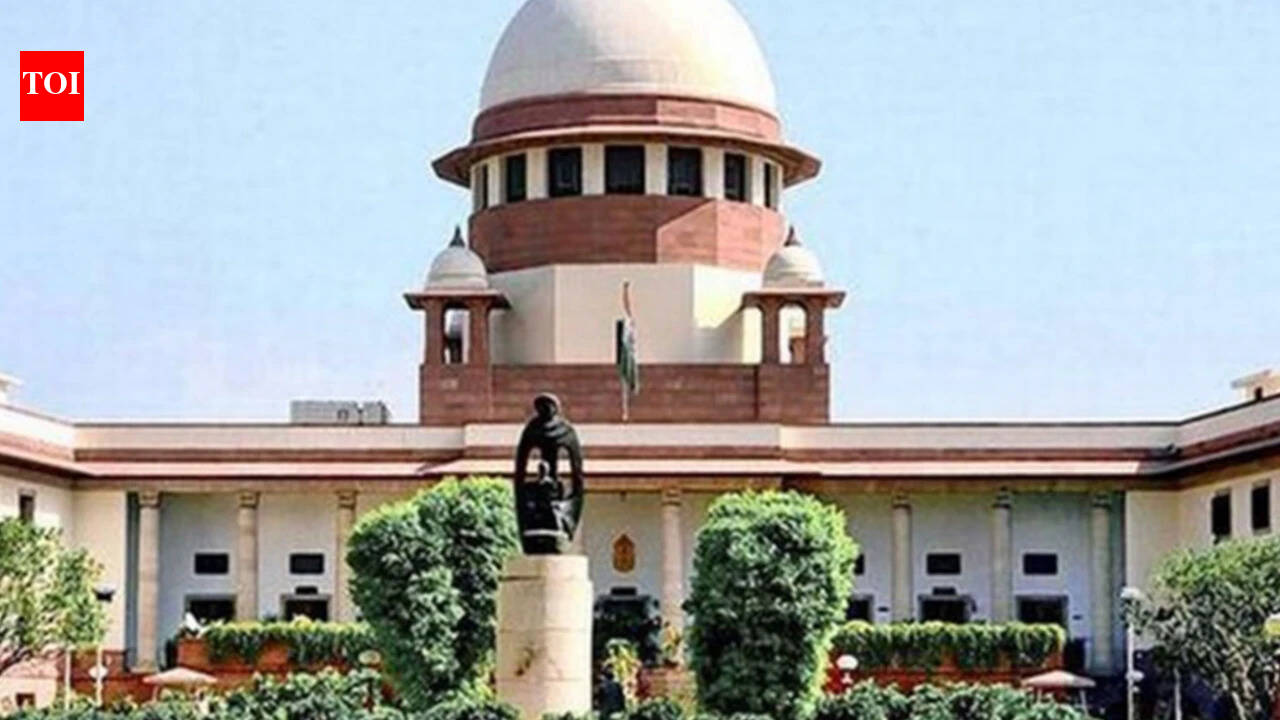
India’s Supreme Court ruled that some foreign divorces do not end marriages under Indian law.
The case involved a man who married his first wife in India under Hindu rites and later obtained a divorce abroad.
The foreign court granted the divorce because the marriage had irretrievably broken down, a ground Indian law does not recognise.
The Supreme Court said the decree did not meet the requirements of Section 13 of India’s Civil Procedure Code.
Because the first marriage still counted in India, the man may face criminal proceedings for bigamy after remarrying.
The court said changing citizenship or marrying abroad did not remove those possible consequences.
It quashed the proceedings against his parents and second wife.

The Supreme Court of India ruled that some foreign divorce orders do not end marriages under Indian law.
It said a divorce based on irretrievable breakdown of marriage is not valid in India because that ground is not recognised in Indian law.
A man who remarried after receiving such a foreign divorce order may face prosecution for bigamy.
The court allowed bigamy proceedings against the man but quashed proceedings against his parents and second wife.
- Who
- The Supreme Court of India, in a case involving a man who remarried after a foreign divorce.
- What
- The court said the foreign divorce did not end his first marriage under Indian law and allowed bigamy proceedings against him.
- When
- The ruling was reported on November 11, 2026; the date of the ruling is not stated.
- Where
- The Supreme Court of India in New Delhi; the foreign court’s location is not stated.
- Why
- The foreign divorce was based on irretrievable breakdown of marriage, which is not a ground for divorce under Indian law.
The husband
The first wife
Basis for divorce
The husband
The husband relied on a foreign divorce decree based on irretrievable breakdown of marriage.
The first wife
The first wife opposed the divorce proceedings.
Effect of the decree
The husband
The husband argued that the foreign decree and his British citizenship meant he could not be held liable for bigamy.
The first wife
The court found the decree did not dissolve the marriage under Indian law, so bigamy proceedings against him could continue.
The man obtained a foreign divorce on the ground of irretrievable breakdown of marriage in proceedings opposed by his wife, then remarried.
The Times of India reported that the Supreme Court allowed bigamy proceedings against the man and quashed proceedings against his parents and second wife.
- Court
- Supreme Court of India
- Divorce ground
- Irretrievable breakdown of marriage
- Indian law provision
- Section 13 of the Civil Procedure Code
- Bigamy provision
- Section 494 of the Indian Penal Code
- Proceedings quashed
- Criminal proceedings against the man’s parents and second wife
What people are saying
In our view, the foreign divorce decree was passed in contravention of the existing matrimonial law in India and on a ground that is not even recognised statutorily.