

Politics · Australia · 4 hrs ago
Australia proposes a 30% minimum tax on discretionary trusts
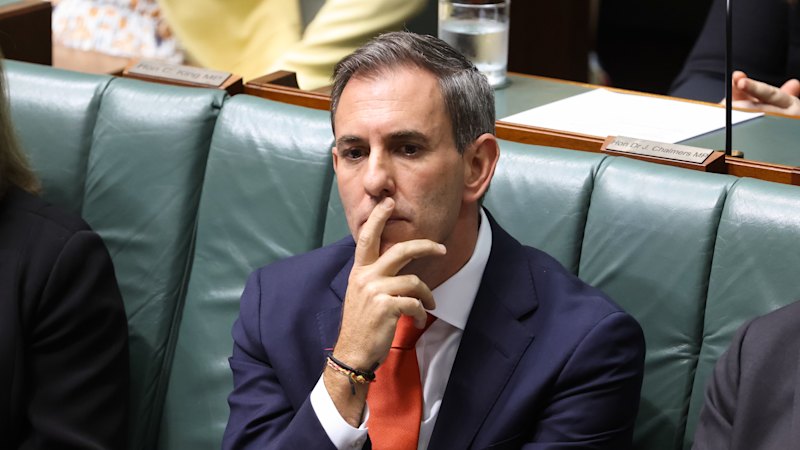
The Albanese government introduced a 30% minimum tax on discretionary trust income in federal parliament on Wednesday.
Discretionary trusts let trustees decide how income from assets such as businesses, property or shares is divided among beneficiaries, often family members.
The government says the rules aim to make tax treatment fairer, because people with similar incomes can pay different amounts when trust income is split among people in lower tax brackets.
More than 95% of taxpayers receive no income from trusts, and Treasury analysis says most benefits go to the top 10% of families by income.
The change is expected to raise more than $40 billion over a decade, while the government says the broader tax changes will help make room for lower taxes on workers.
Business groups warn the reforms could bring expensive disruption, and the opposition says they may be difficult to implement.
The minimum tax is due to take effect from mid-2028, leaving nearly two years for debate and preparation.

The Albanese government introduced legislation to impose a minimum 30% tax on income from discretionary trusts.
The tax is proposed to start in mid-2028 and apply to net income flowing out of the trusts.
The government says the reform would make the tax system fairer and help fund tax cuts for workers.
Business groups warn the changes could cause years of costly disruption, while the government says failing to reform trusts risks weakening tax revenue.
The tax is expected to raise more than $40 billion over a decade, according to the SMH.
- Who
- The Albanese government, led on the reform by Treasurer Jim Chalmers, introduced the legislation.
- What
- The proposal sets a minimum 30% tax on income from discretionary trusts.
- When
- It was introduced on Wednesday, October 14, 2026. The proposed rules would start in mid-2028.
- Where
- In the Australian parliament.
- Why
- The government says the reform would make the tax system fairer and protect tax revenue. It says the revenue would help fund tax cuts for workers.
The Albanese government
Business groups and critics of the reforms
Reason for reform
The Albanese government
The government says trust tax arrangements can let people on similar incomes pay different amounts of tax, and that reform would protect the tax system.
Business groups and critics of the reforms
Business groups warn the changes could cause years of expensive turmoil and harm businesses.
Effects on taxpayers
The Albanese government
The government says the changes would help fund tax cuts for workers and reduce their personal income tax hit.
Business groups and critics of the reforms
Critics warn the proposal would create a tax hit for small businesses and bring accounting complexity.
Treasurer Jim Chalmers introduced the trust tax legislation into parliament.
The proposed minimum tax on discretionary trust income is due to begin.
The reform is estimated to raise $4.5 billion in its first year of operation, according to Guardian Australia.
- Minimum tax rate
- 30%
- Proposed start
- Mid-2028
- Estimated trusts
- One million discretionary trusts
- Estimated revenue over a decade
- More than $40 billion, according to the SMH
- Guardian Australia first-year revenue estimate
- $4.5 billion in 2029-30
2 sources
What people are saying
If we leave this issue for another day and another government, the risks to the integrity and the sustainability of the tax system will only grow. The burden of that inaction will fall on regular people, on young Australians and on future generations.
the arrangements that we start legislating today will mean a fairer tax system, and will also fund tax cuts for workers
the trust changes, which do not start until mid-2028, would deliver a tax hit to small businesses and create more