

Politics · Netherlands · 12 hrs ago
Dutch MPs urge talks on a voluntary media code for femicide coverage
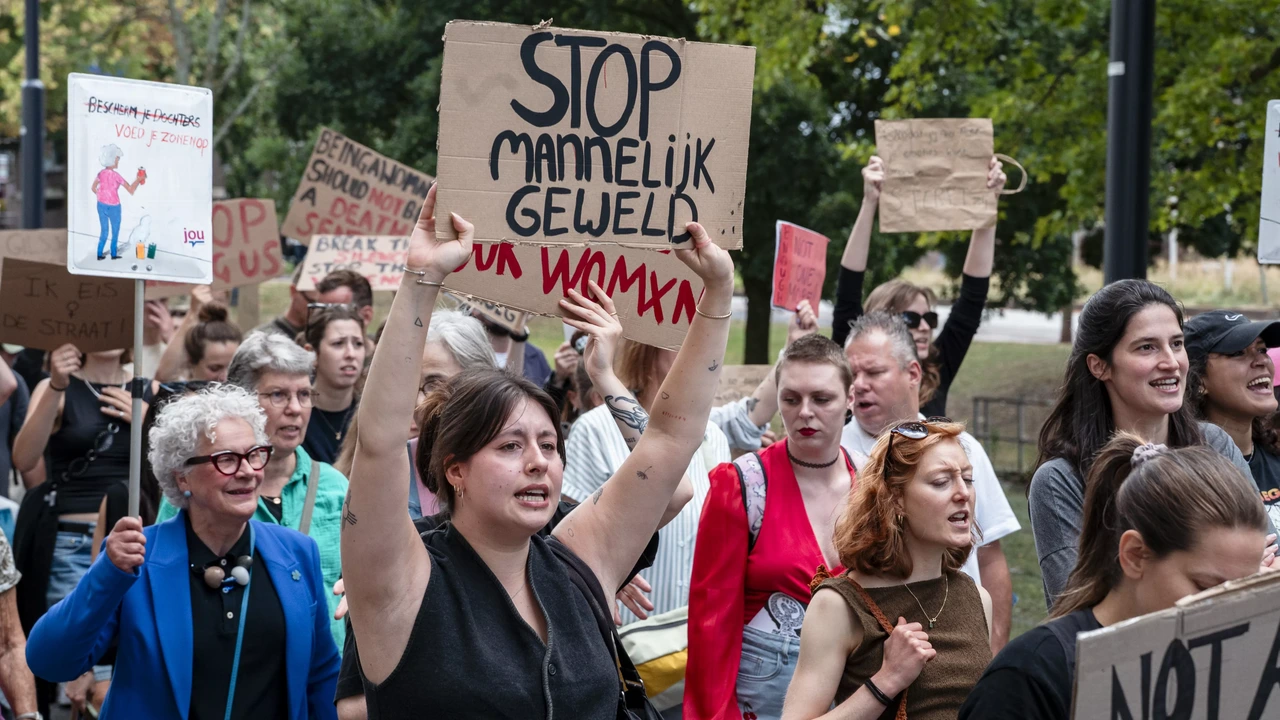
A majority in the Dutch House of Representatives wants talks on a voluntary media code for reporting on femicide and gender-based violence.
The request, submitted by D66 MP Hanneke van der Werf, asks Education, Culture and Science Minister Letschert to speak with media organisations.
The proposal draws on Spain’s media approach to gender-based violence, developed after the country began tackling the issue through policy in 2004.
Spain has no official journalism rulebook, but media organisations have developed their own guidelines based on laws and journalists’ experience.
Those guidelines encourage reporters to name femicide clearly, explain the wider context and avoid language that shifts blame to victims.
The Dutch government cannot impose rules on media organisations, but it can hold discussions with them.
The proposal also suggests clearer language about victims and perpetrators and directing readers to further information; no next steps are specified.

A majority in the Dutch House of Representatives wants the government to discuss a voluntary media code for reporting on femicide and gender-based violence.
The request asks Education, Culture and Science Minister Letschert to speak with media organisations, drawing on Spain’s approach.
The proposal was submitted by D66 MP Hanneke van der Werf after she and other parliamentarians visited Spain last month.
Spanish media have developed their own reporting rules, including describing femicide explicitly and providing wider context.
- Who
- D66, VVD, PRO, SP, JA21 and BBB MPs are urging the government to act. The request was submitted by D66 MP Hanneke van der Werf.
- What
- They want the minister to discuss a voluntary media code for reporting on femicide and gender-based violence with media organisations.
- When
- The request was reported on November 2, 2026. Van der Werf and other parliamentarians visited Spain the previous month.
- Where
- The proposal concerns Dutch media and draws on Spain’s experience.
- Why
- The MPs want reporting to make clear who the victim and perpetrator are and to provide context about gender-based violence.
This story does not have two clearly opposing sides.
Ana Orantes was able to divorce her husband after decades of abuse.
Orantes spoke about her experience on television.
Orantes was murdered by her ex-husband.
Spain began developing a law against gender-based violence.
Van der Werf and other parliamentarians visited Spain.
NOS reported the MPs’ request for talks on a voluntary media code.
- Requesting parties
- D66, VVD, PRO, SP, JA21 and BBB
- Request submitted by
- Hanneke van der Werf, D66
- Minister asked to hold talks
- Letschert, Education, Culture and Science
- Spanish policy date
- 2004
- Femicide figures recorded nationally in Spain since
- 2003
What people are saying
In Spain, work to combat femicide is actively carried out across many different areas.
Descriptions such as family drama do not do justice to what happens in a relationship behind closed doors.
We never present gender-based violence as an isolated incident or a conflict between two individuals.