

Politics · Spain · 4 hrs ago
Spain’s pension challenge highlights the gap between generations
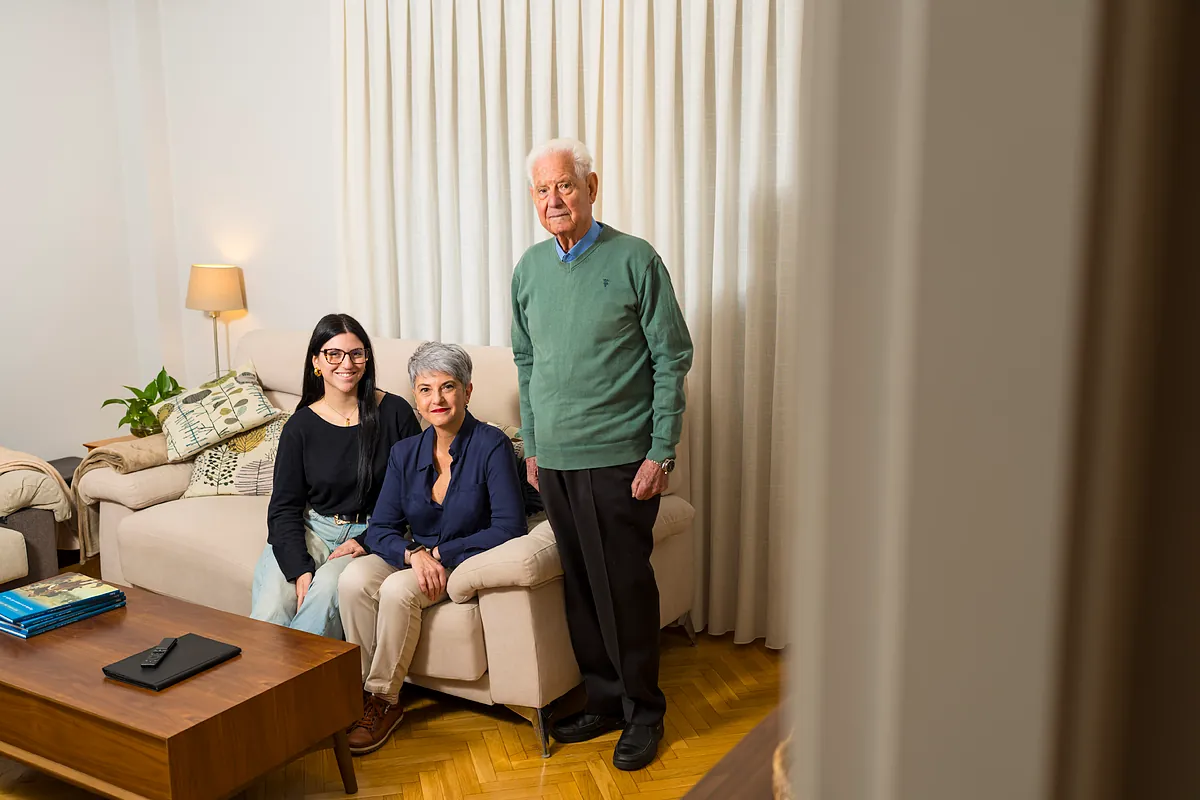
An 87-year-old retiree and his 22-year-old granddaughter show how prospects have changed in Spain.
He began working at 13, bought a home at 23 and now receives a pension close to the national average of €1,580 a month.
His granddaughter has struggled to find steady work and earns less than €200 a month while preparing to qualify as a teacher.
She lives with her parents and says she cannot afford to move out or save.
Young adults are finding home ownership harder to reach: the share of homebuyers under 35 fell from 38% in 2002–2008 to 24% in 2022–2024.
Spain’s ageing population is also putting pressure on pensions, which are funded by people in work.
The European Commission projects pension spending will rise from 13.1% of GDP in 2022 to 16.9% in 2045, as the baby-boom generation retires.
The challenge is to keep pensions financially sustainable while preserving security for younger generations.

Spain faces pressure to sustain its public pension system as the population ages and younger generations struggle to find stable work and afford housing.
Ignacio, 87, receives a pension close to the average and says his granddaughter has fewer opportunities than he had.
His granddaughter Marta, 22, works several jobs while preparing for teaching exams and lives with her parents.
She says her income of less than 200 euros a month leaves her unable to move out or save.
The article says the European Commission projects pension spending will rise from 13.1% of GDP in 2022 to 16.9% in 2045.
- Who
- Retired worker Ignacio and his granddaughter Marta illustrate the differences between generations. The story also discusses younger workers and Spain’s pension system.
- What
- The article examines the challenge of sustaining pensions while younger people face insecure work and barriers to housing.
- When
- Published on 27 November 2026. The pension-spending projections cover 2022, 2045 and 2070.
- Where
- Spain.
- Why
- An ageing population is expected to increase pension costs, while younger generations face difficulties accessing stable jobs and housing.
This story does not have two clearly opposing sides.
Ignacio began working as an apprentice in a shoe shop.
Ignacio paid the deposit on his first home.
Ignacio had finished paying for his home.
Marta began working.
Pension spending stood at 13.1% of Spain’s GDP, according to the European Commission.
El Mundo published the article.
- Ignacio’s age
- 87
- Marta’s age
- 22
- Marta’s monthly income
- Less than 200 euros
- Average retirement pension
- 1,580 euros per month
- Under-35 home buyers
- 38% in 2002-2008; 24% in 2022-2024
- Projected pension spending
- 13.1% of GDP in 2022; 16.9% in 2045; 16.7% in 2070
What people are saying
My granddaughter does not have the same opportunities I had, even though those were the post-war years and Franco’s era.
My salary was quite good... and I had four extra payments!
In ten years, I see myself still studying and living at my parents’ house. It is very frustrating.