

Business · Economy · 2 hrs ago
Saudi Arabia expands financial education to build household saving habits
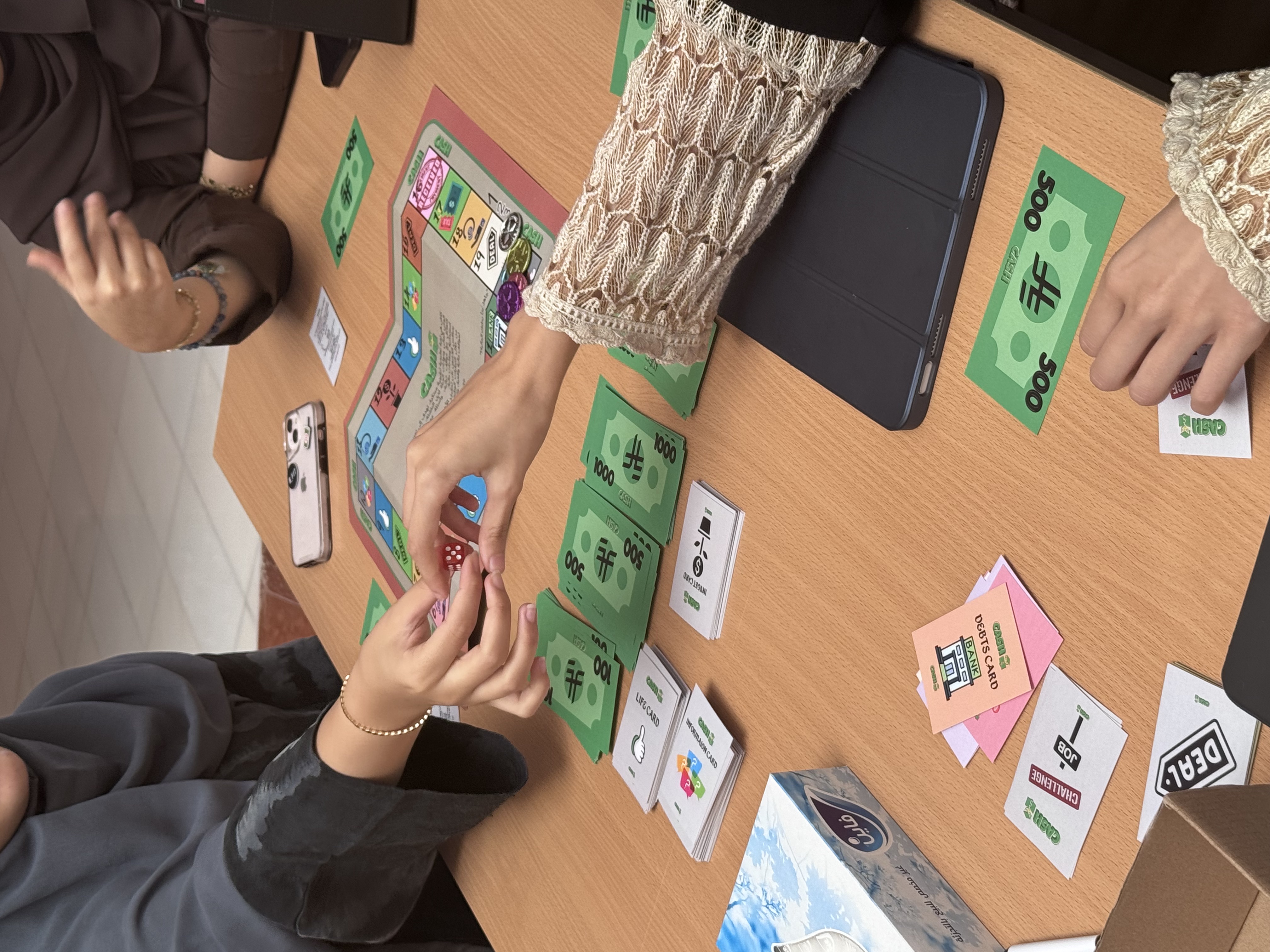
Saudi Arabia is expanding financial education in schools and through digital banking as it tries to make saving a lasting habit.
Riyali Foundation’s programs have reached more than 4 million students across the kingdom.
Since 2017, a partnership with the Ministry of Education has brought programs to more than 10,000 schools and trained over 65,000 ambassadors.
The effort supports Vision 2030’s goal of household savings reaching 10% of income.
The average household savings rate was about 9% from 2018 to 2022, reaching 9.8% in 2022.
Experts say education must lead to real changes in behavior, such as regular saving, emergency funds and responsible borrowing.
They argue that stronger household financial resilience matters more than meeting the national target alone, and say results should be checked over time, not just through lessons or tests.

Saudi Arabia is expanding financial education to encourage household saving and support financial resilience.
Riyali Foundation says its programs have reached more than 4 million students across the Kingdom.
A partnership with the Ministry of Education has extended financial awareness programs to more than 10,000 schools and trained over 65,000 ambassadors.
Saudi Arabia’s Vision 2030 target is to raise household savings to 10 percent of income.
An economic researcher said the goal should include stronger household financial resilience, not just meeting a national savings-rate benchmark.
- Who
- Saudi Arabia, including Riyali Foundation and the Ministry of Education, is expanding financial education.
- What
- The Kingdom is promoting financial education and savings habits through school programs and expanded access to financial services.
- When
- The effort is gaining momentum as Saudi Arabia marks World Savings Day on Oct. 31. The article was published on Oct. 31, 2026.
- Where
- Across Saudi Arabia.
- Why
- To encourage lasting saving habits and support the Vision 2030 target of raising household savings to 10 percent of income.
This story does not have two clearly opposing sides.
Riyali began as an initiative.
Riyali established a partnership with the Ministry of Education.
Saudi Arabia's average household savings rate was approximately 9 percent.
Riyali was established as a nonprofit organization.
Saudi Arabia marked World Savings Day as financial education and savings initiatives gained momentum.
- Students reached
- More than 4 million
- Schools reached
- More than 10,000
- Ambassadors trained
- Over 65,000
- Vision 2030 household savings target
- 10 percent of income
- Average household savings rate
- Approximately 9 percent between 2018 and 2022
- Household savings rate in 2022
- 9.8 percent
What people are saying
On World Savings Day, we are reminded that saving is not simply about setting money aside, but about building financial security and making informed financial decisions.
Saudi Arabia’s savings culture is clearly evolving. Saving is becoming more formal, digital and increasingly linked to specific goals such as home ownership, education, retirement and emergency planning.
The 10 percent target is an important benchmark, but the real objective is broader household financial resilience.