

Science & Tech · Science & Environment · 1 hr ago
Underwater Canyons Helped Preserve South Australia's Ancient Fossils
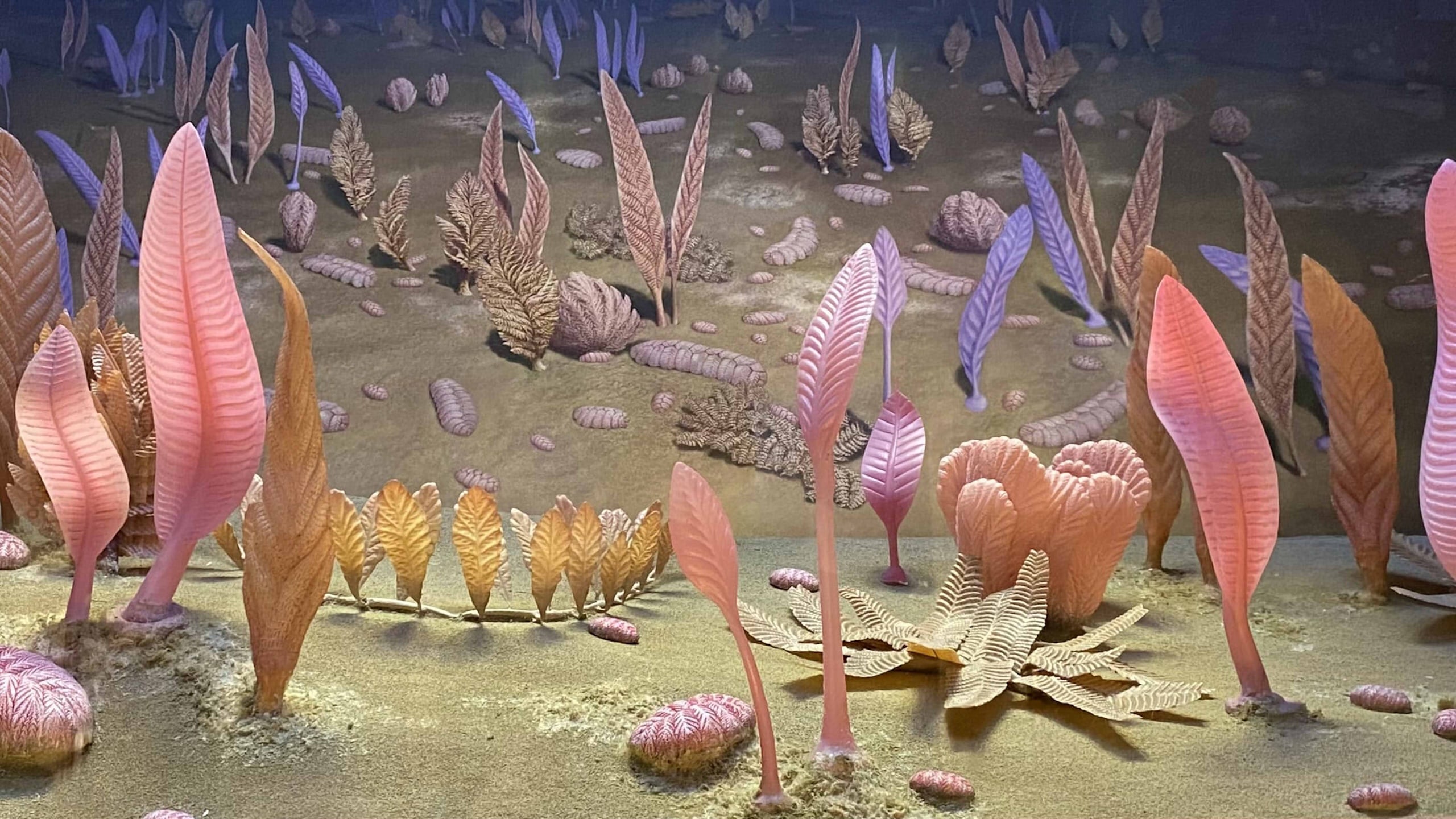
Researchers traced ancient underwater canyons in rock formations in South Australia's Flinders Ranges.
The canyons formed around 550 million years ago, near the end of the Ediacaran Period, when some of Earth's earliest animals lived.
Many Ediacaran creatures had soft bodies that were difficult to preserve as fossils, leaving scientists with limited evidence about them.
The canyons reached 280 metres deep and stretched more than six kilometres across in places.
Rising seas flooded the canyons with sediment, creating conditions that helped preserve fossils in a rock layer called the Ediacara Member.
The findings link fossil preservation to changing sea levels and local geology, but they do not explain why these animals evolved or disappeared.

Researchers say ancient underwater canyons helped preserve rare fossils in South Australia’s Flinders Ranges.
The canyons formed about 550 million years ago, largely through underwater erosion following a major decline in sea levels.
When sea levels rose, flooding filled the canyons with sediment and created conditions that preserved Ediacaran fossils.
Some canyons stretched more than 6 kilometers across and reached depths of 280 meters.
The study mapped geological features to reconstruct the landscape and sediment deposits of the late Ediacaran Period.
- Who
- Researchers led by geologist Karol Faehnrich of Adelaide University.
- What
- The researchers found evidence that ancient underwater canyons helped preserve Ediacaran fossils.
- When
- The canyons formed about 550 million years ago. The article was published on 2026-11-15.
- Where
- The Flinders Ranges in South Australia.
- Why
- Rising sea levels flooded the canyons with sediment, creating conditions that preserved fossil evidence.
This story does not have two clearly opposing sides.
A major decline in sea levels began the formation of underwater canyons through erosion.
Rising seas flooded the landscape and the canyons filled with sediment.
The Ediacara Member of the Rawnsley Quartzite preserved clues about the region’s ancient inhabitants.
ScienceAlert published an account of the study’s findings.
- Study lead
- Karol Faehnrich, Adelaide University geologist
- Study location
- Flinders Ranges, South Australia
- Canyon depth
- Up to 280 meters
- Canyon width
- More than 6 kilometers in some places
- Fossil-bearing rock layer
- Ediacara Member of the Rawnsley Quartzite
What people are saying
We found evidence that huge underwater canyons cut across the continental shelf before being rapidly flooded as sea levels rose again.
This flooding created the conditions that allowed one of the world's richest Ediacaran fossils to be preserved.