

World · Europe · 59 mins ago
Poor housing linked to lower GCSE results for children, study finds
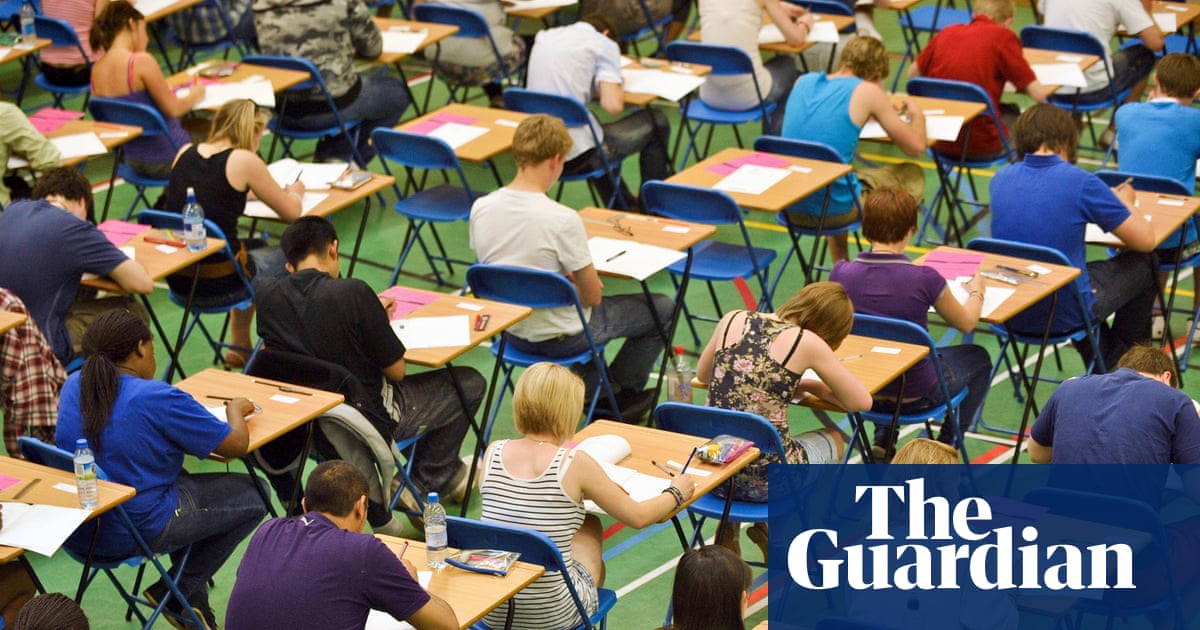
A study by University College London researchers for the Sutton Trust found that children in poor housing conditions do worse in exams than peers with better home study environments.
The research looked at whether children had their own bedroom, a quiet place to work and a home that was not overcrowded or noisy.
More than half of children in the poorest fifth of families shared a bedroom at age 11, compared with 7% in the richest fifth.
Children who had been homeless by age 14 were 18 percentage points less likely to get five good GCSEs than those who had not.
The researchers say a lack of space and quiet can affect learning, while poor housing is also linked to worse health and employment outcomes later in life.
The Sutton Trust wants rented homes to provide space for a desk, and suggests schools, local authorities and libraries offer more quiet places to study.
The trust has also called for the education and housing departments to review how housing policy affects education.

A study found that children in poor housing conditions are less likely to achieve five good GCSEs and more likely to miss out on A-levels.
Children who lack a quiet place to study scored lower at age 18 than peers, despite similar results at the end of primary school.
The report found that young people who had been homeless by age 14 were 18 percentage points less likely to achieve five good GCSEs.
Researchers called for children in rented homes to have space for a desk and for schools and local authorities to offer quiet study spaces.
Poor housing in childhood was also linked to worse employment, health and life satisfaction in adulthood.
- Who
- Children living in poor housing conditions, studied by academics at University College London for the Sutton Trust.
- What
- The study linked overcrowding and a lack of quiet study space at home to lower educational outcomes.
- When
- The Guardian article was published on 26 November 2026; the study period is not stated.
- Where
- The study concerns children in the UK; it cites temporary accommodation figures for England.
- Why
- Poor housing can leave children without the space and stable conditions needed to study.
This story does not have two clearly opposing sides.
This story does not have a timeline yet.
- Bedroom sharing
- 52% of young people in the poorest fifth of families shared a bedroom at age 11
- Bedroom sharing
- 7% of young people in the richest fifth of families shared a bedroom at age 11
- Homelessness and GCSEs
- Those homeless by age 14 were 18 percentage points less likely to achieve five good GCSEs
- Temporary accommodation
- More than 170,000 children in England
- Adult outcomes
- Each additional housing problem experienced at ages 11 to 15 was linked to a 3-percentage-point lower likelihood of having a degree and of being in work in adulthood
What people are saying
The country’s housing crisis is blighting the prospects of a generation. The link between a child’s housing situation and their education shouldn’t be underestimated.
Even the brightest child will struggle to succeed at school if they don’t have a safe and stable learning environment at home.
There are a bunch of kids out there who have to sit the same exams and are held to the same standard in their education, but don’t have the same conditions to learn in.
Every child deserves the opportunity to build a better life and a safe, secure home is vital