

Business · Trade · 5 hrs ago
US tariffs risk weakening ties with Southeast Asian trade partners
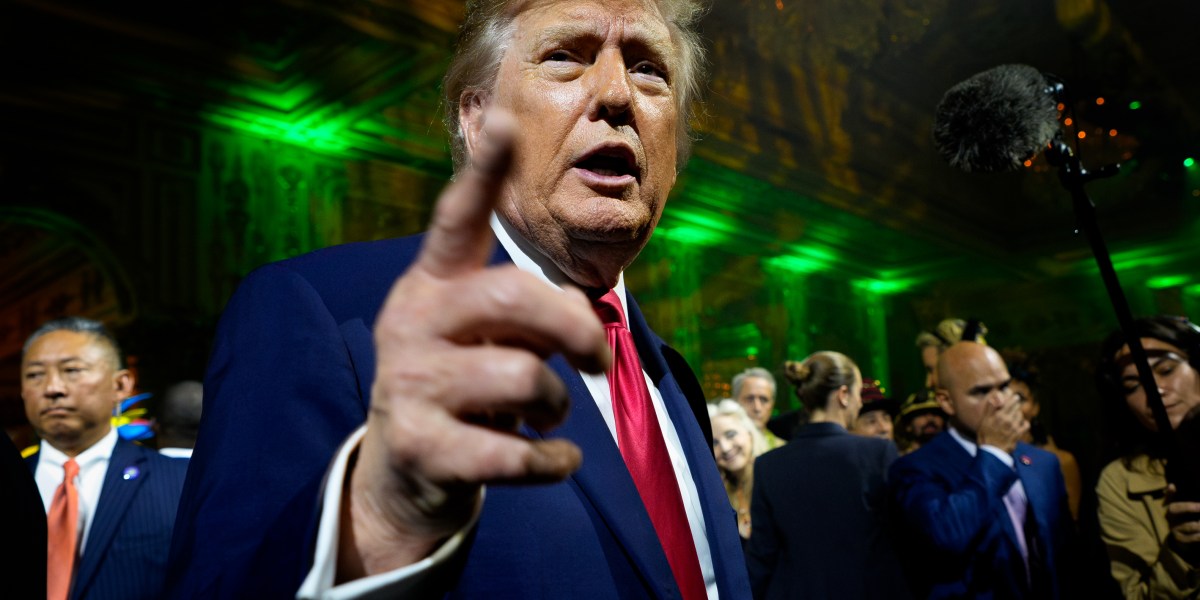
The Trump administration’s tariffs are hitting Southeast Asian economies, including countries in the Association of Southeast Asian Nations, or ASEAN.
For years, Washington encouraged companies to move production from China to countries such as Vietnam, Malaysia, India and the Philippines.
This “China plus one” approach aimed to spread supply-chain risks while building links with friendly countries.
After the Supreme Court struck down much of the initial tariff regime in February, the administration turned to other legal measures and investigations.
Broad tariffs are raising costs for regional exporters, US importers and consumers, while the commentary says they have not significantly changed trade deficits or brought production back to the United States.
The policy may weaken US influence in a region balancing ties with China, even though ASEAN countries do not want to be dominated by Beijing.
The administration’s next steps are not specified.

The article argues that US tariffs are alienating Southeast Asian partners and weakening Washington’s influence in the region.
It says broad import taxes have disrupted manufacturers across ASEAN, including US companies.
The tariffs may undermine efforts to diversify supply chains by moving production from China to Southeast Asian countries.
The article says regional exporters, US importers and consumers are absorbing higher costs, while trade deficits remain largely unchanged.
It warns that erratic US policy could encourage Southeast Asian countries to hedge their ties with other partners.
- Who
- The Trump administration and Southeast Asian countries in ASEAN, along with manufacturers and trade partners.
- What
- The article argues that US tariffs risk weakening ties with Southeast Asia and undermining supply-chain diversification.
- When
- The article was published on November 2, 2026; it also describes events following the April 2025 tariff announcement.
- Where
- The United States and Southeast Asia, including ASEAN countries.
- Why
- The article says broad punitive tariffs are burdening regional partners and disrupting supply chains intended to diversify production away from China.
This story does not have two clearly opposing sides.
President Trump announced “Liberation Day” tariffs.
Some ASEAN non-tariff barriers fell, and deals including Boeing sales were made.
The Supreme Court struck down much of the initial tariff regime.
The administration turned to Section 122 emergency measures and Section 301 investigations.
- Publication date
- November 2, 2026
- Tariff announcement
- April 2025
- Regional bloc
- ASEAN
- Supply-chain destinations named
- Vietnam, Malaysia, India and the Philippines
- Section 122 measures
- 150 days
What people are saying
reverse pivot
If we are not at the table, we are on the menu.