

Science & Tech · Science & Environment · 5 hrs ago
Large Study Finds Brain Activity Does Not Predict Emotional Reappraisal Success
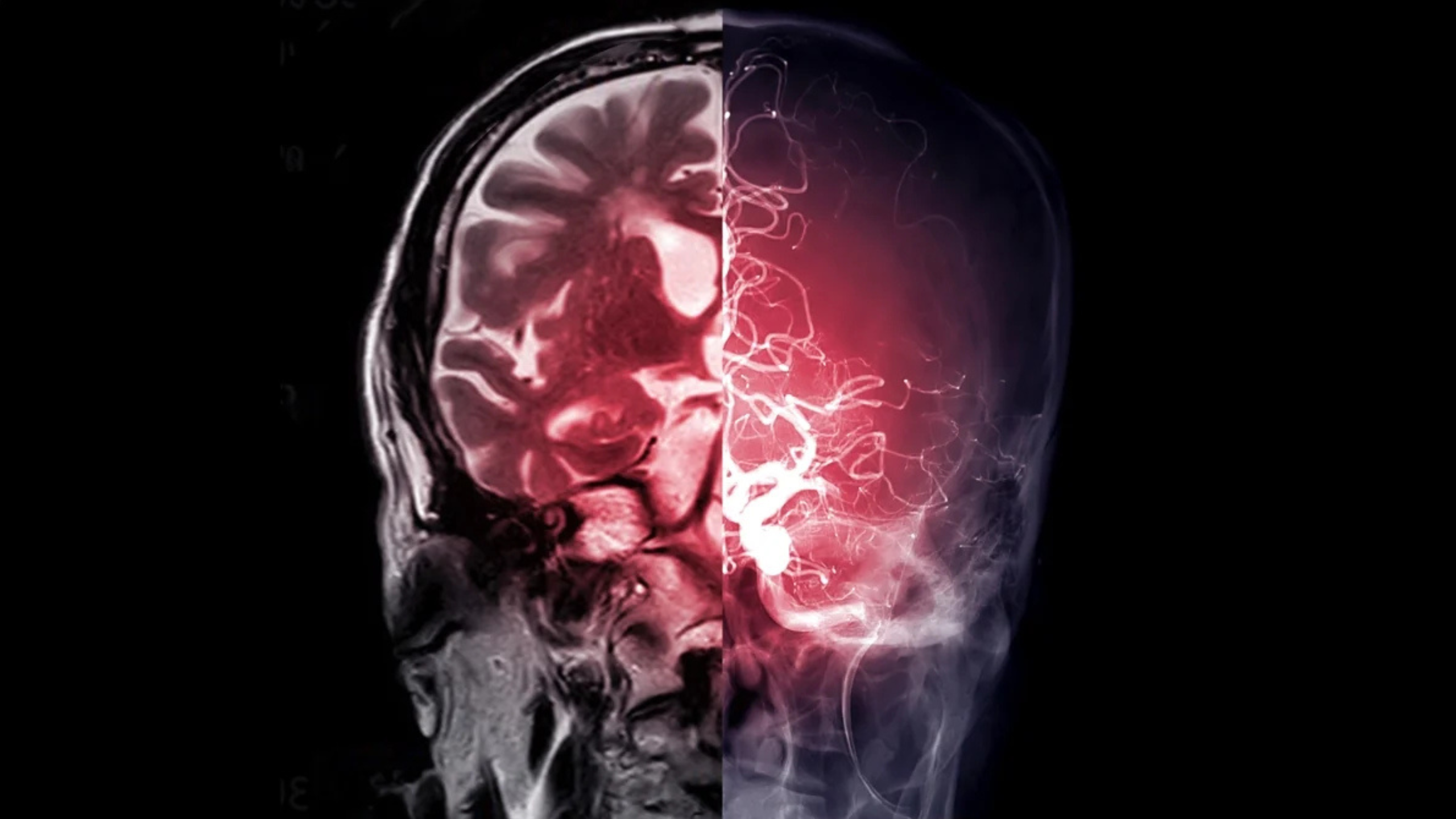
Researchers combined 40 datasets involving up to 2,175 people to test whether brain scans could show how well people manage emotions by reinterpreting upsetting situations.
In the experiments, participants looked at upsetting pictures in a scanner and either watched them or tried to think about them differently.
Activity in established prefrontal control networks did not predict success at feeling less distressed.
People who reported greater relief did show larger drops in activity in the amygdala, a brain structure involved in emotional responses, but the link was very weak.
Everyday use of reappraisal did not reliably match relief during the experiments or changes in amygdala activity.
Brain activity alone is not enough to judge emotional ability, the findings suggest, because a new perspective also needs to feel personally meaningful.
The researchers suggest that future work should examine communication between brain regions and the personal situations people are responding to.

A study combining up to 2,175 participants found that activity in brain regions associated with emotional control did not predict how successfully people used cognitive reappraisal.
The research analyzed 40 datasets from 32 research groups using a standardized plan registered in advance.
Participants typically viewed upsetting pictures in a brain scanner and tried to reinterpret some of them to feel less distressed.
Self-reported use of reappraisal was not significantly related to relief during the tasks or reduced activity in the amygdala.
The findings suggest that activity in brain regions involved in reappraisal alone cannot show whether the strategy is personally meaningful or emotionally effective.
- Who
- Researchers analyzed data from participants in 40 datasets; psychologist Maurizio Sicorello of Germany's Central Institute of Mental Health commented on the findings.
- What
- The study found no expected relationship between activity in established prefrontal emotion regulation networks and success using cognitive reappraisal.
- When
- The study was published on November 8, 2026.
- Where
- The experiments typically took place in brain scanners; the article does not state where they were conducted.
- Why
- Researchers investigated whether brain activity could indicate how successfully people regulate emotions through reappraisal.
This story does not have two clearly opposing sides.
Researchers combined analysis results from 32 research groups following a standardized plan registered in advance.
The study was published in Nature.
- Datasets
- 40
- Participants
- Up to 2,175
- Research groups
- 32
- Sample size estimate
- 1,105 participants would give an 80 percent chance of detecting a relationship as small as the one between reported relief and reduced amygdala activity.
What people are saying
Some of the brain regions involved in regulating emotions are not necessarily the same regions whose activity tells us how good someone is at it,
Simply engaging the brain regions involved in reappraisal does not necessarily mean that the reappraisal is personally meaningful or emotionally effective,