

Business · Energy & Commodities · 19 hrs ago
Tamaulipas weighs crop changes as water shortages threaten farming
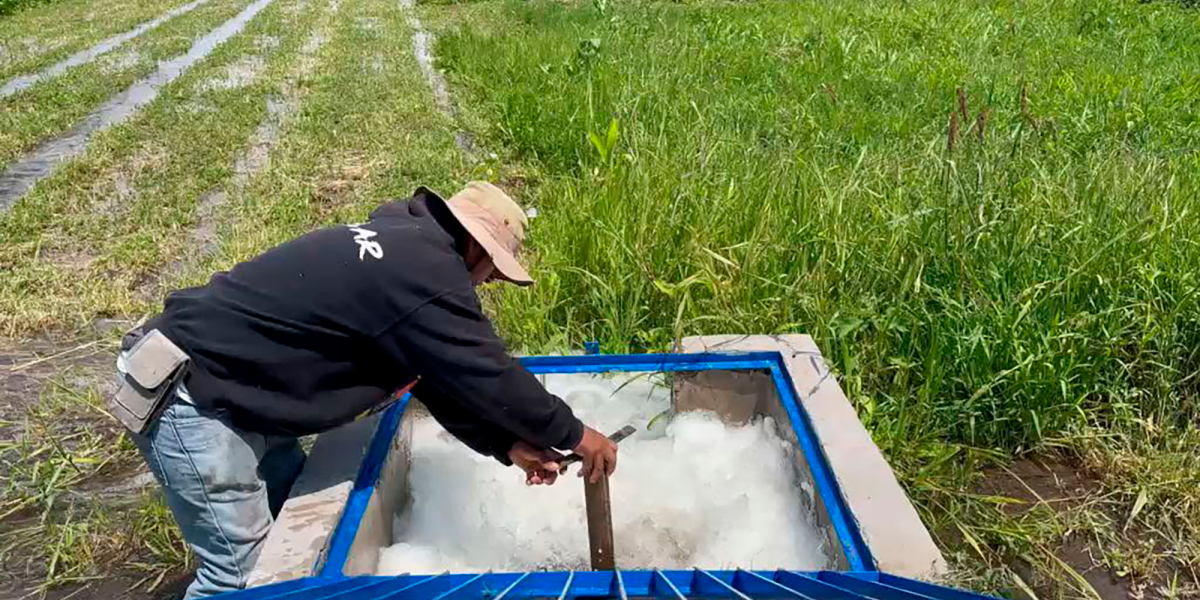
Mexico’s federal government is considering changes to crops in northern Tamaulipas as water supplies shrink.
Less rain has cut agricultural productivity in a region that relies heavily on irrigation.
President Claudia Sheinbaum said her administration is working with Tamaulipas Governor Américo Villarreal on ways to respond.
The state is also developing a plan to adapt farming, with input from government agencies, researchers and agricultural groups.
The changes matter to local producers and the wider economy: Tamaulipas produces about two million tonnes of sorghum a year, around 47% of Mexico’s total.
Officials have not said which crops may change or when, so the next steps remain unclear.

Mexico’s federal government is discussing crop changes with Tamaulipas as reduced rainfall and water shortages threaten agricultural production in the state’s northeast.
President Claudia Sheinbaum said the region is struggling to maintain agricultural production because of water conditions.
The state began developing a broader agricultural conversion plan in 2026 with federal, academic and farming-sector participation.
The article does not specify which crops could be replaced, how much land would be affected or when changes might begin.
Tamaulipas produces about two million tonnes of sorghum annually, according to state information cited in the article.
- Who
- Mexico’s federal government and the Tamaulipas state government are discussing possible changes to agricultural production.
- What
- They are considering crop changes and other measures to adapt farming to reduced water availability.
- When
- The discussions were reported on November 8, 2026. The state’s agricultural conversion plan has been under development during 2026.
- Where
- Northern and northeastern Tamaulipas, Mexico, particularly areas that depend on irrigation.
- Why
- Reduced rainfall and water supply are affecting agricultural productivity, while farming accounts for a significant share of regional water demand.
This story does not have two clearly opposing sides.
The state rural development department met with agronomists to review sorghum and maize and explore crop diversification.
The state government shared a reference figure of nearly two million tonnes of sorghum produced annually in Tamaulipas.
A working group met in Río Bravo to advance the state’s agricultural conversion plan.
The article reported that the federal government was discussing crop changes and other measures with the Tamaulipas government.
- Annual sorghum production
- Nearly 2 million tonnes
- Share of national sorghum production
- Approximately 47%
- Irrigable area in District 026 Bajo Río San Juan
- 76,689.6 hectares
- Users in District 026 Bajo Río San Juan
- 4,854
- Potential initial participants in sorghum processing project
- More than 200 farmers
What people are saying
It was an area that was very productive in agricultural terms and, because of the decrease in rainfall in that area, it has lost productivity.