

Health · Public Health & Disease · 1 day ago
Dengue-Carrying Mosquitoes Spread to Higher Elevations in Nepal
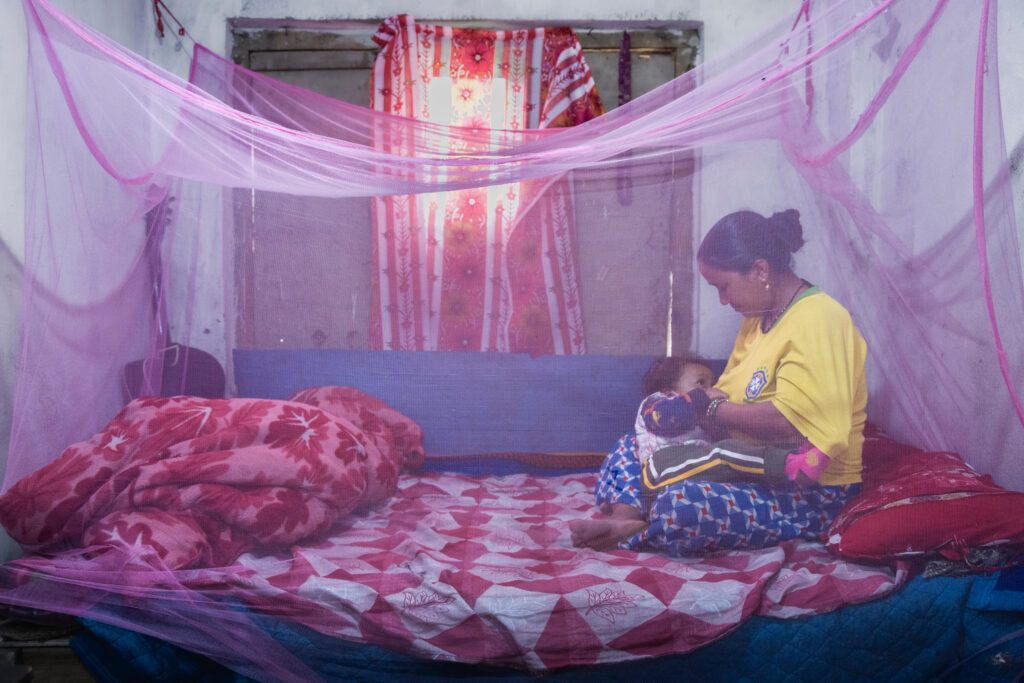
Dengue-carrying Aedes mosquitoes have spread into Nepal’s hills, reaching elevations as high as 2,500 metres.
Dengue was first reported in Nepal in 2004 and was once mainly a problem in the lowland Terai region.
The virus caused about 9,000 recorded infections and at least six deaths in 2025, and cases have been reported in 76 of Nepal’s 77 districts.
Warmer temperatures help mosquitoes survive at higher elevations, while water stored in open containers and flood-related standing water give them places to breed.
The disease’s spread is changing where people in Nepal face dengue risk, including in densely populated areas such as Kathmandu.
Researchers point to climate change, population movement and unplanned urban growth as factors behind the shift, while local awareness campaigns include removing standing water where mosquitoes can breed.

Aedes aegypti mosquitoes, which transmit dengue, have been documented at elevations of up to 2,500 meters in Nepal.
Dengue has spread beyond the lowland Terai region, with sustained outbreaks now occurring in higher-elevation areas.
Local media reported roughly 9,000 infections and at least six deaths in Nepal in 2025.
Researchers say warming temperatures, population mobility and unplanned urbanization are contributing to the spread.
- Who
- Aedes aegypti mosquitoes and people at risk of dengue in Nepal.
- What
- Dengue-carrying mosquitoes have spread to higher elevations, and dengue outbreaks now occur beyond the lowlands.
- When
- Mosquitoes have been documented at higher elevations over the past decade; dengue was first reported in Nepal in 2004.
- Where
- Nepal, including the mid-hill and high-altitude regions; mosquitoes have been found up to 2,500 meters.
- Why
- Researchers point to warming temperatures, population mobility and unplanned urbanization, including water storage and standing water that provide breeding sites.
This story does not have two clearly opposing sides.
Dengue was first reported in Nepal.
Nepal experienced a major dengue public health crisis.
Nepal experienced another major dengue public health crisis.
Nepal experienced another major dengue public health crisis.
Local media reported roughly 9,000 dengue infections and at least six deaths.
- Mosquito species
- Aedes aegypti
- Highest elevation documented
- 2,500 meters (8,200 feet)
- First reported in Nepal
- 2004
- Districts reached
- 76 of Nepal’s 77 districts, according to local media
- Reported 2025 infections
- Roughly 9,000
- Reported 2025 deaths
- At least six
What people are saying
In Nepal, Dengue used to be the problem of lower altitude regions, mainly the disease of Terai (the lowlands of Nepal and India)
Climate change has a huge impact on geographical distribution and establishment of these vectors in a new area
Dengue vectors are rapidly increasing