

Science & Tech · Gadgets & EVs · 3 hrs ago
AMD Zen 6 could enable 24-core Ryzen CPUs and larger X3D caches
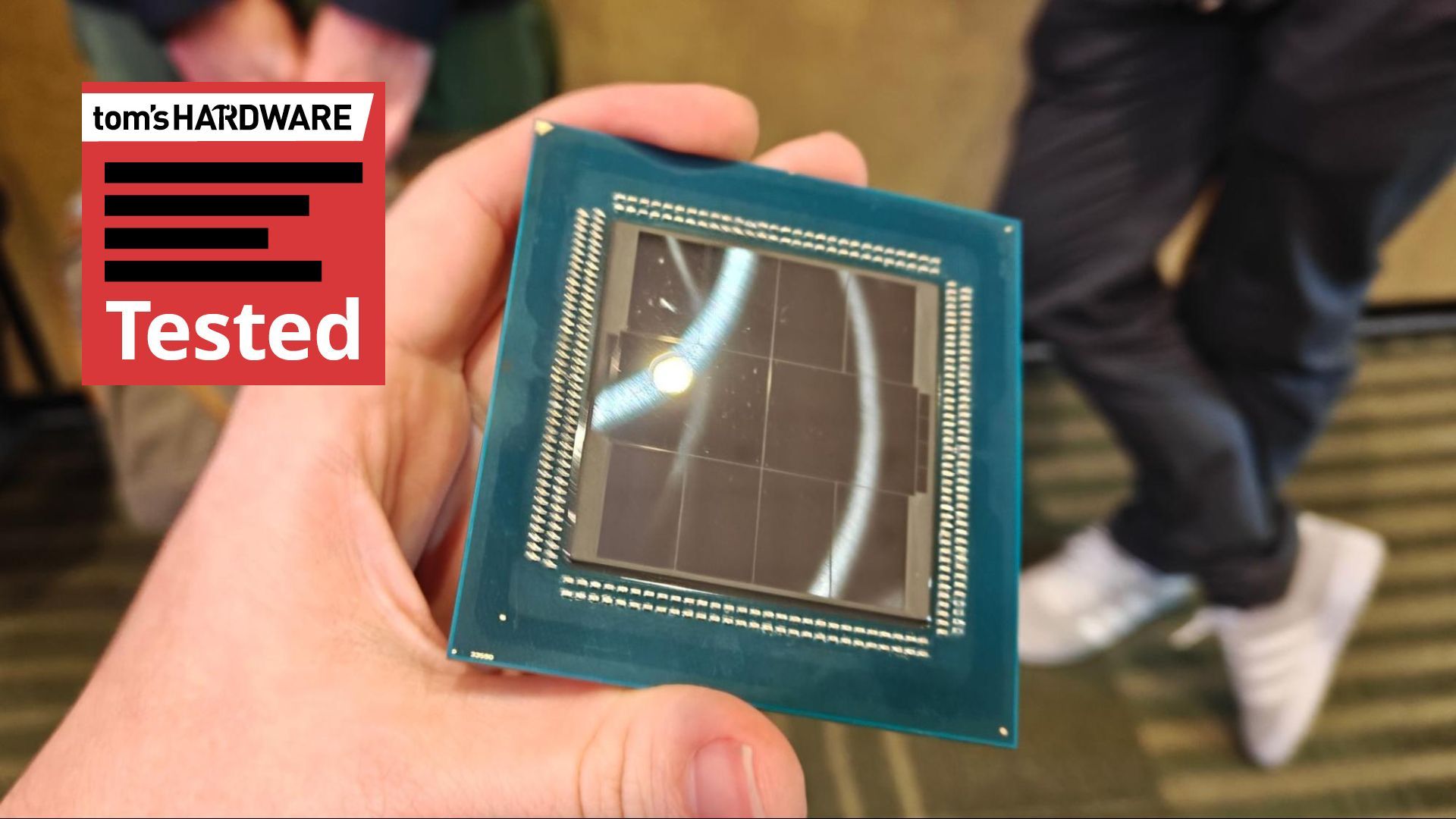
AMD has revealed details of its Zen 6 processor design, which is expected to power future Ryzen desktop and mobile chips as well as Epyc server processors.
Each Zen 6 chiplet can hold 12 cores and 48 MB of shared cache, up from eight cores and 32 MB in Zen 5.
That could let AMD make 24-core Ryzen CPUs and 12-core X3D gaming chips using fewer chiplets.
AMD demonstrated an Epyc server design with 12 cores and 144 MB of cache per chiplet, but has not announced consumer Ryzen configurations.
A single chiplet could keep a 12-core gaming CPU's cores closer together, while architectural changes may also improve performance; the IPC gains AMD cited came from AI and server workloads, not gaming tests.
AMD has not yet shared Ryzen Zen 6 specs, including clock speeds, power use or final configurations.

AMD’s Zen 6 design supports up to 12 cores and 48 MB of shared L3 cache per chiplet, potentially enabling 24-core desktop Ryzen CPUs.
Future Ryzen X3D processors could use a 12-core chiplet with up to 144 MB of L3 cache, combining built-in and stacked cache.
AMD has not announced consumer Ryzen processors based on Zen 6 or confirmed their configurations.
The architecture includes changes to branch prediction, execution resources and the operation cache that could improve performance.
AMD’s reported IPC gains come from AI and server workloads and do not establish equivalent gains in gaming.
- Who
- AMD is developing the Zen 6 architecture for its next-generation processors.
- What
- The design supports up to 12 cores and 48 MB of shared L3 cache per chiplet, potentially enabling 24-core Ryzen CPUs and larger-cache X3D models.
- When
- AMD discussed Zen 6 at a technical presentation; the articles were published on November 10, 2026.
- Where
- The technical presentation concerned AMD’s Epyc Venice server processors. The Register also reports a press event in Las Vegas.
- Why
- The architecture expands core and cache capacity and changes core design to improve performance; AMD has not confirmed consumer Ryzen products or their specifications.
This story does not have two clearly opposing sides.
Notebookcheck reported that Zen 6 could enable 24-core Ryzen processors and X3D models with up to 144 MB of L3 cache per chiplet.
The Register reported on AMD’s Zen 6 disclosures, including claimed IPC gains across AI and server workloads.
Tom’s Hardware reported on its testing of Epyc Venice processors using Zen 6.
- Cores per chiplet
- Up to 12
- L3 cache per chiplet
- 48 MB built-in
- Potential Ryzen desktop core count
- Up to 24
- Potential X3D cache per chiplet
- Up to 144 MB
- Zen 6c IPC claim
- Up to 27% higher than Zen 5 in AI and server workloads
- Consumer Ryzen launch
- Not announced