

Science & Tech · Science & Environment · 14 hrs ago
Study Links Faster Ageing in Large Dogs to DNA Changes
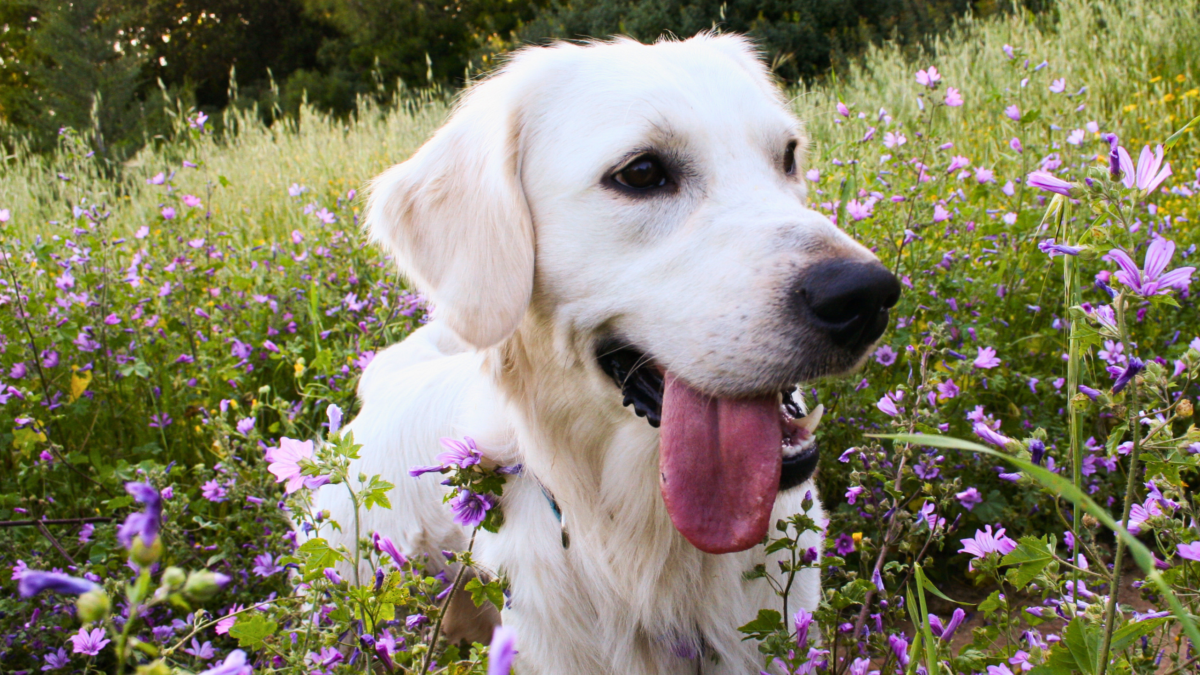
Researchers studied DNA changes in 894 dogs enrolled in the Dog Aging Project.
They focused on DNA methylation, a process that helps regulate genes without changing the DNA sequence.
The study found that methylation declined with age in regions linked to LINE1 “jumping genes,” which can damage DNA as they move around the genome.
Large dogs lost LINE1 methylation about 35 percent faster each year than small dogs did.
This pattern may help explain why large breeds tend to age faster, face more age-related disease and die younger.
The findings show a link, but more research is needed to understand how these changes affect ageing.
Researchers say the results could also inform studies of human health because dogs share people’s environments and receive ongoing care.

A study of 894 dogs found that larger breeds lost LINE1 DNA methylation faster as they aged than smaller breeds.
The researchers reported that larger breeds lost about 35 percent more LINE1 methylation annually.
The findings suggest that reduced control over mobile DNA sequences may contribute to faster ageing in larger dogs.
Researchers analyzed dogs enrolled in the Dog Aging Project.
The authors said further research is needed, and that the findings could also inform research on human ageing.
- Who
- Researchers studying 894 dogs enrolled in the Dog Aging Project.
- What
- The study linked faster ageing in larger dogs with faster loss of LINE1 DNA methylation.
- When
- Published on 2026-11-09.
- Where
- The study analyzed dogs enrolled in the Dog Aging Project. The researchers include scientists at Arizona State University.
- Why
- Researchers investigated why larger dog breeds tend to age faster and have shorter lifespans.
This story does not have two clearly opposing sides.
This story does not have a timeline yet.
- Dogs studied
- 894
- DNA sequence studied
- LINE1-associated genome regions
- Annual difference
- Larger breeds lost about 35 percent more LINE1 methylation than smaller breeds
- Research project
- Dog Aging Project
- Study authors’ institution
- Arizona State University
What people are saying
What we found is that the epigenetic regulation of transposable elements – especially LINE1s – appears to be a major factor shaping how quickly different dogs age
It suggests that faster aging in larger dogs may be driven, at least in part, by reduced control over these 'jumping genes.'